


Why Pets Resist Handling
When a pet struggles against being held, groomed, or examined, it’s not because they are being stubborn. The resistance usually comes from fear, anxiety, or discomfort. They may have had a negative experience in the past, or they may simply feel a loss
of control. Forcing them into compliance often makes the fear worse and can damage the trust you share. The alternative is a method known as cooperative care, which focuses on teaching your pet to be a willing, active participant in their own care routines. The goal is to change their emotional response from “this is scary” to “this is a predictable activity where good things happen.”
The Core Principle: Positive Reinforcement
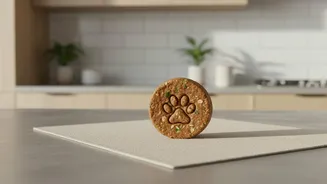
The foundation of this entire approach is positive reinforcement. In simple terms, this means rewarding your pet for a desired behavior to make them more likely to repeat it. Instead of punishing unwanted actions, you actively reward the good ones. The reward can be a high-value food treat, verbal praise, a favorite toy, or a fun game—whatever your specific pet finds motivating. According to the American Veterinary Society of Animal Behavior, reward-based training is considered the most effective and humane way to shape behavior. It builds a stronger bond based on trust and clear communication, rather than fear.
Step 1: Desensitisation and Counter-Conditioning
The two main techniques used in cooperative care are desensitisation and counter-conditioning, and they work best together. Desensitisation involves gradually exposing your pet to something they fear at a very low intensity, so low that it doesn't trigger anxiety. For example, if your dog fears nail clippers, you might start by simply having the clippers on the floor in the same room. Counter-conditioning is the process of changing your pet’s emotional response to that item. You do this by pairing the scary thing with something amazing. So, every time your pet calmly looks at the clippers on the floor, they get a piece of chicken. The clippers start to predict a treat, and their association changes from fear to positive anticipation.
Step 2: Break It Down into Tiny Steps
The key to success is to break down the handling procedure into incredibly small, manageable steps. Let’s use a nail trim as an example. Your training plan might look like this, with each step repeated until your pet is completely comfortable before moving to the next: 1. Your pet sees the clippers on the floor. Reward. 2. You pick up the clippers. Reward your pet for staying calm. 3. You touch your pet’s paw. Reward. 4. You hold the paw for one second. Reward. 5. You touch the clippers to their paw (without clipping). Reward. 6. You touch the clippers to a single nail. Reward. 7. You clip the very tip of one nail. Big reward! Keep sessions short—just a minute or two is plenty, especially at first. Always end on a positive note.
Putting It into Practice
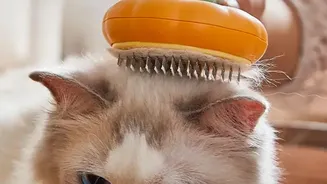
This method can be applied to any handling situation, from brushing and ear cleaning to preparing for a vet visit. You can simulate parts of a vet exam at home by gently handling your pet’s ears, mouth, and paws, always following up with a reward. Some training methods teach a pet a specific “onsent” behavior, like resting their chin on a towel. As long as their chin is on the towel, the handling continues. If they lift their head, the procedure stops, giving them control over the situation. This active participation builds incredible confidence and trust. The key is to introduce tools and actions gradually, always rewarding calm behavior.
Patience and Consistency Build Trust
It’s crucial to remember that this is not a quick fix; it's an investment in your relationship with your pet. Progress might feel slow, and you may have days where you need to go back a step. That's perfectly normal. Rushing the process or pushing your pet past their comfort level can undo your hard work. Consistency is essential. Everyone in the household should be on board with the training plan to avoid confusing your pet. With patience, you are not just training a behavior; you are teaching your pet that they can trust you, even in situations that once felt scary. This foundation of trust will benefit every aspect of your life together.