




Moving Beyond the Manicured Lawn
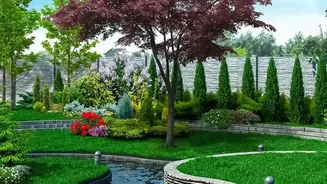
For decades, the ideal urban garden in India often mirrored a foreign aesthetic: perfectly manicured, water-intensive lawns and exotic ornamental flowers that struggled in the country's diverse and often harsh climates. This approach required constant
effort, significant water usage, and a regular regimen of fertilisers and pesticides. However, a significant shift is underway. Urban gardeners are increasingly questioning this high-maintenance model, turning instead to plants that belong in India's environment. This move is not just about saving time and water; it's a conscious choice for sustainability and a desire for a garden that feels more authentic and connected to its surroundings. By choosing native species, city dwellers are creating green spaces that are not only easier to care for but also more ecologically responsible.
The Wisdom of Working with Nature
The benefits of adopting indigenous and low-care plants are manifold. Because these species have evolved over millennia to thrive in local conditions, they are naturally resilient to India's scorching summers and heavy monsoons. Once established, they require significantly less water, a crucial advantage in a water-stressed country. This natural hardiness also means a reduced need for chemical pesticides and fertilisers, as they have built-in resistance to local pests and diseases. Beyond the practical advantages, these gardens become buzzing hubs of biodiversity. Native plants provide essential food and shelter for local birds, bees, butterflies, and other pollinators, creating small but vital ecological corridors within our concrete jungles.
Your Garden's New Low-Care Heroes
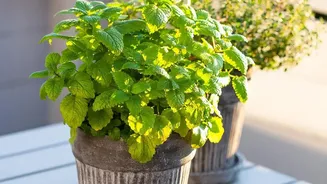
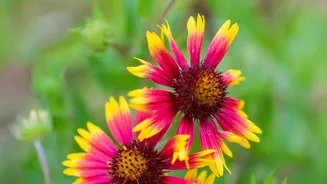
Getting started is as simple as choosing the right players for your team. Many of these plants are likely familiar, valued for their hardiness and beauty. Bougainvillea, for example, is almost unkillable and provides spectacular colour with very little water. Fragrant options like Mogra (Arabian Jasmine) and Parijat (Night-flowering Jasmine) fill the air with scent without demanding constant attention. For balconies and smaller pots, staples like Tulsi (Holy Basil) and the Curry Leaf plant (Kadi Patta) are not only low-maintenance but also kitchen essentials. Other champions include the vibrant Marigold, resilient Hibiscus, hardy Kaner (Oleander), and the striking Aparajita (Butterfly Pea), all of which flourish in Indian climates and attract pollinators.
A New Definition of Garden Beauty
This movement is also redefining what a beautiful garden looks like. The focus is shifting from rigid control and perfect symmetry to a more natural, 'wilder' aesthetic. A garden teeming with butterflies and birds is becoming a new kind of status symbol—one that signals ecological awareness. This approach celebrates the beauty of a functioning ecosystem, where leaf litter is allowed to enrich the soil and plants are allowed to grow into their natural forms. It’s a move away from a garden as a static decoration and towards a garden as a living, breathing space that changes with the seasons and supports a web of life. This perspective values resilience and vitality over sterile perfection.
How to Begin Your Native Garden Journey
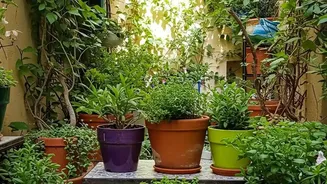
Starting your own low-care garden is easier than you might think. Begin small, perhaps with a few pots on a balcony or windowsill. Observe your space: how much sunlight does it get and at what times of day? When you visit a local nursery, specifically ask for native or hardy, low-water plants that suit your conditions. Focus on creating healthy soil with good drainage, as this is the foundation for strong plants. Don’t be afraid to let your plants grow a little wild. The goal is to create a self-sustaining patch of green that gives back more than it takes, turning even the smallest urban space into a sanctuary for both you and local wildlife.