








Defining the Six-Month Buffer
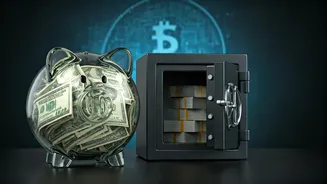
Before we talk about crypto, let's demystify the 'cash buffer'. This isn't money for investing; it's your financial safety net. Known more commonly as an emergency fund, it is a pool of liquid cash set aside to cover your essential living expenses in case
of an unexpected event, like a job loss, medical emergency, or urgent family need. The 'six-month' rule is a widely accepted benchmark in financial planning. It means having enough cash readily accessible—in a savings account, not tied up in investments—to cover all your non-negotiable costs for half a year. This cushion provides peace of mind and, more importantly, prevents you from having to sell your investments at a loss or go into debt to handle a crisis.
Why This Matters for Crypto Investors
The advice to have an emergency fund is standard, but it becomes non-negotiable when considering highly speculative assets like cryptocurrency. The crypto market is famous for its extreme volatility. Prices can swing by double-digit percentages in a single day. If your personal finances are not stable, this volatility can be psychologically and financially devastating. Without a cash buffer, any personal financial emergency could force you to sell your crypto holdings at the worst possible time—perhaps during a market crash. This leads to panic selling and locking in losses. Furthermore, investing money you can't afford to lose creates immense stress. The six-month buffer separates your 'survival money' from your 'risk money', allowing you to approach crypto with a clearer head and a long-term perspective, rather than desperation.
How to Calculate Your Buffer
Calculating your six-month buffer is a straightforward but essential exercise. Start by tracking your expenses for a month to get a clear picture of where your money goes. Then, add up all your essential monthly costs. This includes: * **Housing:** Rent or home loan EMI. * **Utilities:** Electricity, water, cooking gas, internet, and phone bills. * **Transportation:** Fuel, public transport costs, or vehicle maintenance. * **Food:** Groceries and essential household supplies. * **Insurance:** Premiums for health, life, or vehicle insurance. * **Debt Repayments:** Any other loan EMIs or credit card minimums. Do not include discretionary spending like entertainment, dining out, or shopping. Once you have your total for one month of essential expenses, multiply that number by six. For example, if your essential monthly expenses are ₹50,000, your target cash buffer is ₹3,00,000. This is the amount you should have saved in a secure, easily accessible account before you even think about allocating funds to crypto.
Beyond the Buffer: Other Financial Checkpoints
A six-month emergency fund is the primary shield, but it's not the only piece of financial armour you need. Wealth advisors point to a checklist of other financial health indicators to tick off before speculating. First, tackle high-interest debt. It makes little sense to gamble on crypto returns while paying 20-40% annual interest on credit card debt. The guaranteed return from paying off that debt is almost always higher than any potential crypto gain. Second, ensure you have adequate health and life insurance. A medical emergency can wipe out savings and investments faster than any market crash. Finally, make sure you are contributing to your long-term, traditional investment goals, such as through SIPs in mutual funds or contributions to your retirement accounts. Crypto should be an addition to a solid portfolio, not the foundation of it.
The Right Way to 'Bet' on Crypto
Once your financial house is in order—you have your buffer, your debt is managed, and your core investments are automated—you can consider entering the crypto market. The key word from advisors is 'allocation'. They recommend allocating only a very small percentage of your investment portfolio to high-risk assets like crypto, typically in the range of 1% to 5%. This should be money you are fully prepared to lose without it affecting your lifestyle or long-term financial goals. Think of it as 'entertainment money' rather than a core investment strategy. This approach allows you to participate in the potential upside of crypto without exposing your entire financial future to its dramatic and unpredictable downturns.