




The End of the Searing Heat
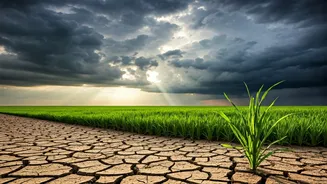
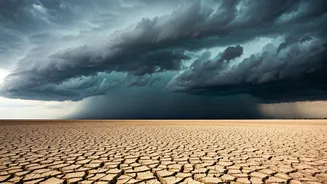
For weeks, northern and central India have been reeling under a severe heatwave. [5] In Delhi, residents have endured the warmest nights in two years, with 'feels-like' temperatures soaring toward 50°C due to high humidity. [12, 14] Similar conditions
have gripped Uttar Pradesh, Bihar, and Haryana. [15] But a shift is imminent. The India Meteorological Department (IMD) forecasts that maximum temperatures over Northwest India will begin to fall significantly starting around June 30th. This welcome drop is thanks to the long-awaited revival and advance of the southwest monsoon, which had paused, leading to a largely dry and scorching June across much of the country. [15, 26]
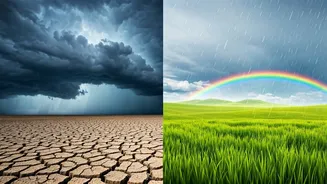
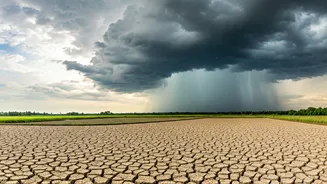
A Tale of Two Weather Systems
The dramatic change is being driven by the southwest monsoon finally gathering momentum. [8] After a weak phase where the moisture-carrying winds slackened, the system is stirring back to life. [26] The IMD reports that conditions are now favourable for the monsoon to advance further into states like Gujarat, Madhya Pradesh, Uttar Pradesh, and Uttarakhand over the next few days. [12, 13, 24] This advance is powered by a seasonal trough—a long belt of low pressure—and several cyclonic circulations over Central India that are helping to pull moisture inland from the sea. [26] While this brings rain, it creates a stark contrast: Northeast India is already being lashed by extremely heavy rainfall, causing flooding, while North India has been baking. [6, 26]
The Promised Rain: A Double-Edged Sword
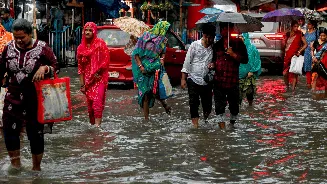
The headline's 'drama' refers to the intense rainfall predicted to accompany the temperature drop. The IMD has issued alerts for heavy to very heavy rainfall across numerous regions as the monsoon strengthens. States in Northeast India, such as Assam and Meghalaya, along with Sub-Himalayan West Bengal and Sikkim, are already under warnings for extremely heavy downpours, with some areas receiving over 20 cm in a single day. [6, 11] As the monsoon moves west, similar warnings are being extended. Heavy rainfall is forecast for Bihar, Odisha, and coastal states like Goa and Karnataka, raising the risk of waterlogging and flash floods. [8, 10] Even as the heat lessens, residents will need to brace for this new challenge.
Region-Wise: What to Expect Where
The impact will vary across the country. In Delhi-NCR, which has been sweltering, the monsoon's arrival is still a few days away, expected around the first week of July. [10, 19] Until then, isolated thunderstorms might bring brief, gusty relief from the heat. [4, 7] Uttar Pradesh, currently facing severe heatwave conditions, will see the monsoon advance over the next two to three days, bringing widespread rain. [23, 24] Eastern states like Bihar and Jharkhand can expect widespread rainfall from June 28 onwards. [23] In the south, Kerala, Karnataka, and Telangana are set for continued widespread rain. [23] Meanwhile, the northeast will continue to see persistent, very heavy rainfall for the next several days. [11]
From Heatwave to Downpour: How to Prepare
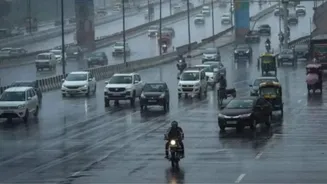
Transitioning from one extreme weather event to another requires preparation. With heavy rains approaching, it is crucial to ensure that drainage systems around your home are clear to prevent waterlogging. Secure any loose items on balconies or rooftops that could be affected by strong winds accompanying thunderstorms. For those in low-lying areas, it's wise to be aware of local flood warnings and have an emergency kit with essentials ready. Commuters should anticipate traffic disruptions and check weather advisories before travelling. While the rain will bring a much-needed break from the oppressive heat, being prepared for the potential 'rain drama' is key to navigating the week ahead safely.