



Why Go Native in Your Garden?
The trend towards indigenous plants is about more than just aesthetics; it's a smart and sustainable choice. Native plants are adapted to India's diverse climates, meaning they are naturally hardier and more resilient to local conditions. This translates
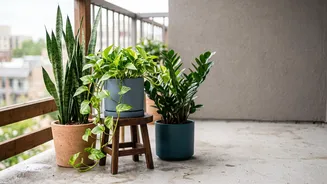
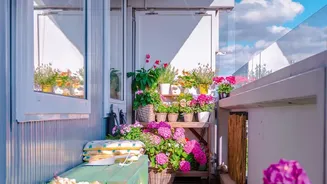
to less work for the gardener. They generally require less water, fewer pesticides, and less fertiliser than non-native species, making them both low-maintenance and cost-effective. By planting native species, you also create a mini-sanctuary for local wildlife. These plants provide essential food and habitat for native birds, bees, and butterflies, helping to support local biodiversity right from your balcony.
Tulsi (Holy Basil)
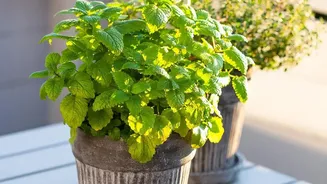
No Indian garden feels complete without Tulsi. Revered for its spiritual and medicinal properties, this aromatic herb is also incredibly easy to maintain in a pot. It thrives in sunlight and needs regular watering. Beyond its cultural significance, Tulsi is a powerful air purifier, capable of absorbing harmful gases from the atmosphere. It also acts as a natural pest repellent, making it a beneficial companion for other plants in your balcony garden. Its adaptability and numerous benefits make it the perfect starting point for any native plant enthusiast.
Genda (Marigold)
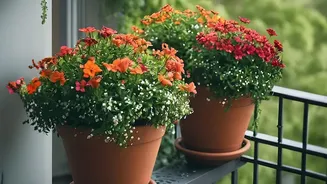
Vibrant, cheerful, and deeply woven into Indian culture, the Marigold (Genda) is a fantastic choice for sunny balconies. These flowers are not only beautiful but also famously low-maintenance. They are known for their pest-repelling properties, often planted near vegetable patches and other ornamentals to keep unwanted insects at bay. Marigolds thrive in full sun and well-drained soil, rewarding gardeners with continuous blooms that are perfect for festive decorations and offerings. They grow quickly and can be easily cultivated from seeds, adding a splash of orange and yellow to any small space.
Mogra (Arabian Jasmine)
If you want to add intoxicating fragrance to your evenings, look no further than Mogra. Known for its beautiful white blooms and captivating scent, this variety of jasmine is a beloved native plant. It grows well in pots and prefers a spot that receives a few hours of direct sunlight. While it is a vine, it can be pruned to maintain a manageable, bushy shape suitable for a balcony. The flowers are used in perfumes, teas, and as hair adornments, making it a plant that delights multiple senses.
Kadi Patta (Curry Leaf Plant)
A must-have for any Indian kitchen, the Curry Leaf plant (Kadi Patta) is surprisingly well-suited for container gardening. This small, hardy tree provides a constant supply of fresh, aromatic leaves that are essential in many regional cuisines. It prefers a sunny spot and moderate watering. Growing your own Kadi Patta means you have access to fresh leaves without the risk of pesticides. It's a practical, low-maintenance plant that adds both flavour to your food and greenery to your home.
Gudhal (Hibiscus)
The Hibiscus, or Gudhal, is a stunning flowering shrub that brings a touch of the tropics to any space. With its large, colourful blossoms in shades of red, pink, and white, it's a showstopper on any balcony. Hibiscus plants love the sun and require regular watering to produce their magnificent blooms. They are relatively easy to care for in pots, though they may need occasional pruning to encourage more flowers and maintain a compact size. The flowers are not just ornamental; they are also used in herbal teas and traditional remedies.
Aparajita (Butterfly Pea)
The Aparajita, with its striking deep-blue flowers, is a fast-growing vine that can be a beautiful addition to a balcony railing or trellis. Also known as the Butterfly Pea, this plant is incredibly hardy and thrives in Indian climatic conditions. It requires minimal care and can tolerate periods of drought once established. The flowers are edible and famously used to make a vibrant blue tea, which changes colour to purple with the addition of lemon juice. It's a magical, multipurpose plant that adds a touch of wonder to the garden.