
A Modern Twist on the Festive Thali
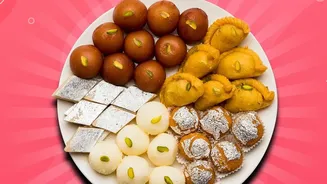
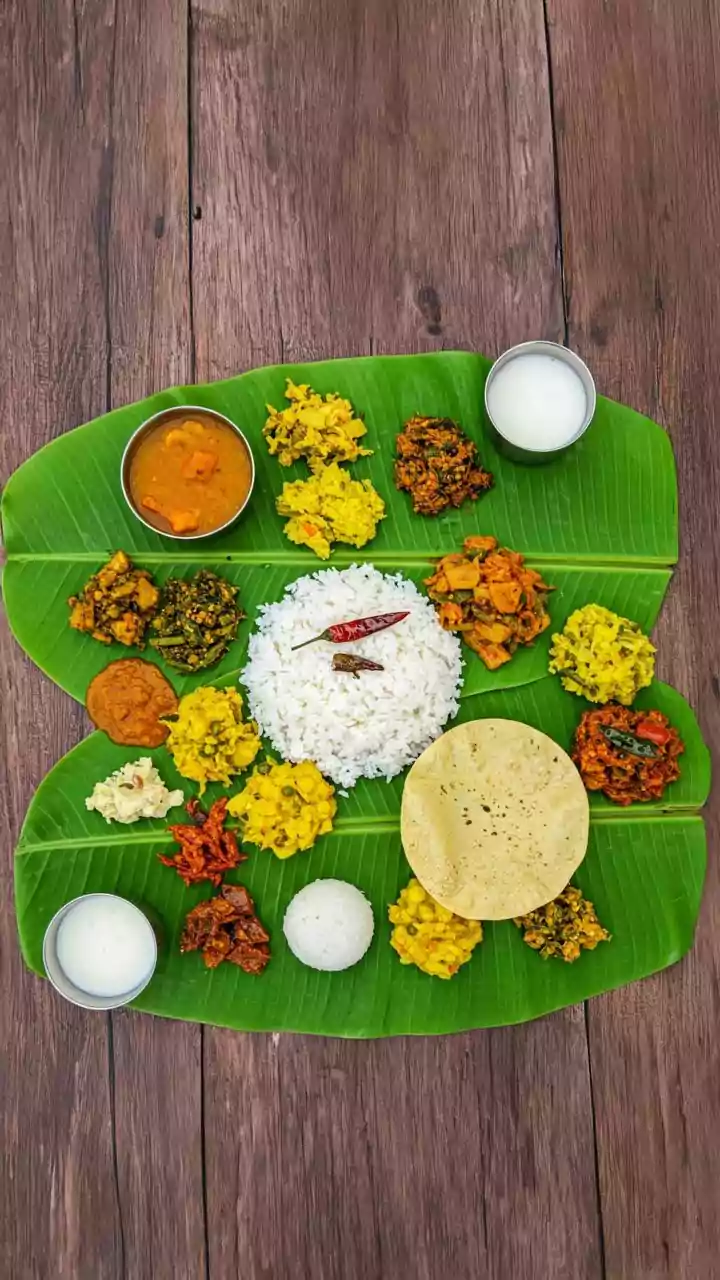
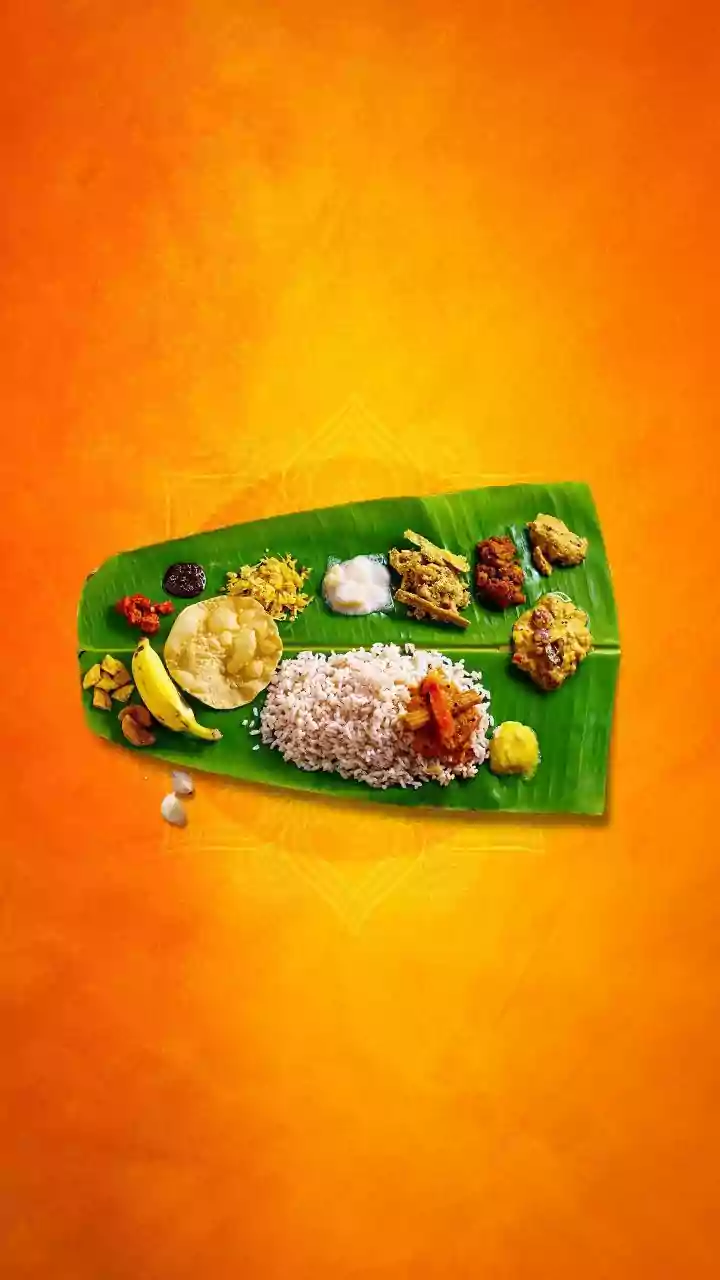
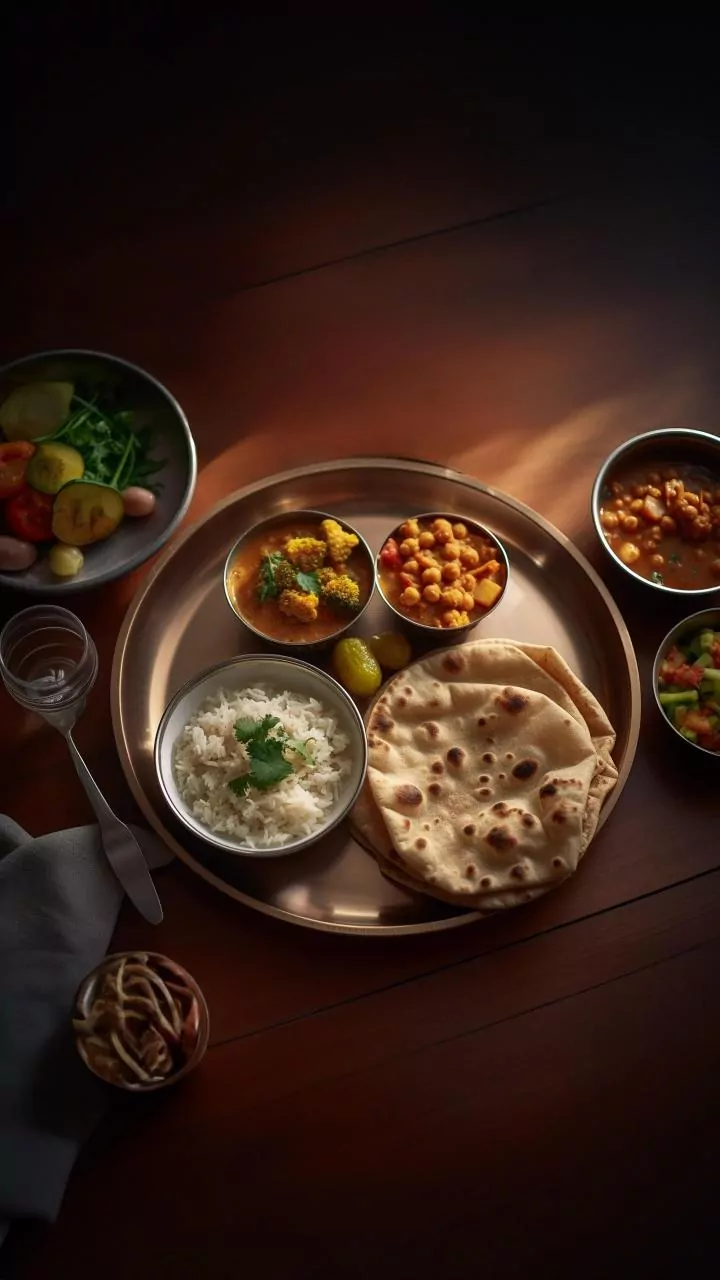
The festive season in India has long been synonymous with indulgence. However, a noticeable shift is underway, particularly among urban Millennials and Gen Z. Instead of completely abandoning tradition, they are reinventing it. This new festive spread
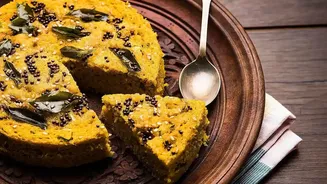
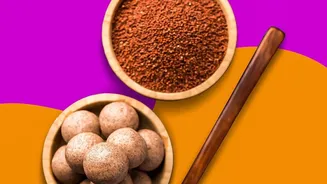
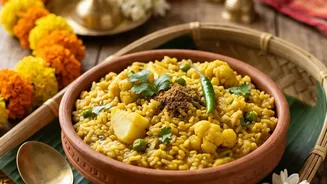
features items like ragi coconut laddoos, foxtail millet pongal, jowar mathris, and bajra barfis. These dishes retain the essence of celebratory food but are made with ingredients that align with modern priorities. It’s a move away from heavy, calorie-dense foods towards lighter, more nutritious alternatives that don't leave you feeling guilty. This trend sees classic recipes deconstructed and reimagined, with millets stepping in as a wholesome substitute for rice and refined wheat flour.
Health and Wellness as a Priority
The primary driver behind this trend is a deep-seated focus on health and wellness. Unlike previous generations, younger consumers actively read nutritional labels and prefer foods that offer functional benefits. Millets fit this need perfectly. They are naturally gluten-free, rich in dietary fibre, protein, and essential minerals like iron and magnesium. With a lower glycemic index than white rice and wheat, they provide sustained energy without causing sharp spikes in blood sugar, a key concern for a generation wary of lifestyle diseases. This makes millet-based sweets and savouries a smart choice for navigating the festive season's temptations without compromising on health goals.
The Pull of Tradition and Sustainability
The appeal of millets goes beyond just nutrition; it taps into a desire for authenticity and sustainability. These ancient grains have been part of Indian agriculture and diets for thousands of years, and their revival connects young consumers to their roots. There's a growing appreciation for heritage foods that were once staples before the Green Revolution pushed them aside. Furthermore, Gen Z and Millennials are environmentally conscious. Millets are climate-resilient crops that require significantly less water and fewer inputs than rice and wheat, making them a more sustainable choice for the planet. This combination of cultural pride and environmental responsibility makes choosing millets a form of conscious consumption.
Culinary Innovation and Social Media Appeal
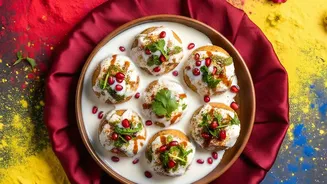
Millets are no longer seen as bland or boring. A wave of culinary innovation, led by chefs, food influencers, and home cooks, has given them a modern makeover. Social media platforms like Instagram are flooded with visually stunning images of creative millet dishes, from colourful salads to decadent desserts. This has made millets 'cool' and aspirational. Recipes for millet modaks, baked samosas with millet flour, and even millet-based pizza are gaining traction, showing their versatility. This modern presentation and the fusion of global flavours with traditional ingredients make millet-based foods exciting and shareable, aligning perfectly with the digital habits of younger generations.
From Niche Grain to Mainstream Staple
The movement towards millets has been significantly boosted by national and international initiatives. The Indian government's promotion of these grains, along with the United Nations declaring 2023 as the 'International Year of Millets', has created widespread awareness. This has encouraged farmers to increase cultivation and prompted food companies to launch innovative millet-based products, from breakfast cereals to ready-to-eat snacks. As a result, millets are more accessible and visible in urban markets than ever before. This mainstream acceptance reinforces the idea that millets are not just a passing fad but a long-term shift in India's food landscape.