




A New Global Race to the Moon
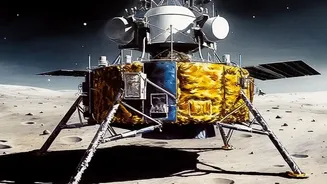
The lunar surface is about to get busy. After decades of relative quiet, a fresh international push to explore the Moon is underway, but this time, it’s driven as much by commerce as by national prestige. At the heart of this new era is NASA's Commercial
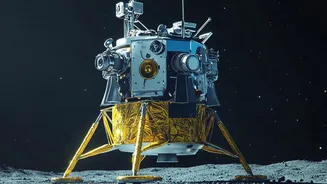
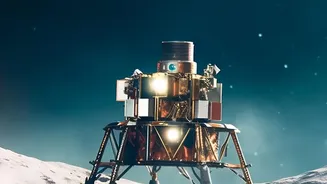
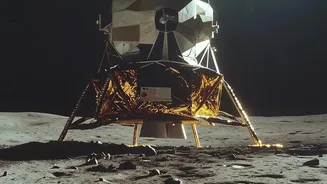
Lunar Payload Services (CLPS) initiative, which partners with private companies to deliver science and technology payloads to the Moon. This has thrown the doors open for a new ecosystem of private landers and rovers, creating a global supply chain for lunar exploration. Companies are no longer just government contractors; they are the service providers for a burgeoning cislunar economy. This shift has created a massive opportunity for agile and innovative companies to claim a piece of the multi-billion dollar market.
India's Startup Ecosystem Steps Up
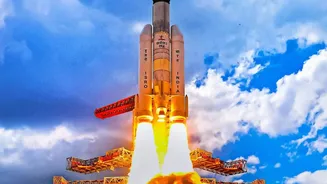
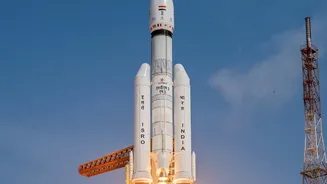
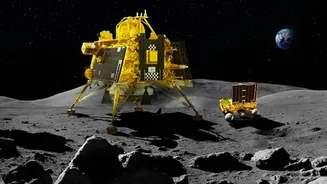
Fresh off the historic success of the Chandrayaan-3 mission, which made India the first nation to land near the lunar south pole, the country's private space sector is buzzing with ambition. Startups in hubs like Bengaluru are leveraging this momentum, aiming to transition from being suppliers of components to becoming creators of entire mission-critical systems. A key player in this space is Axiom Research Labs, the company behind the original TeamIndus that competed for the Google Lunar X Prize. While their initial bid to land on the moon faced challenges, including a partnership with OrbitBeyond for a NASA CLPS mission that was later withdrawn, the expertise gained was invaluable. The engineering, much of it developed in India, formed the basis for future rover designs and established a pool of talent ready for the next challenge. Today, a host of new companies like Dhruva Space, Kepler Aerospace, and Pixxel are demonstrating India's capability in building everything from satellites to mission operations infrastructure, fostering confidence among global investors and partners.
The Frugal Innovation Advantage
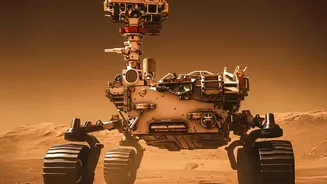
The phrase "low-cost" is central to India's value proposition in space. ISRO's Chandrayaan-3 mission, for example, cost an estimated $74 million—less than the budget of many Hollywood space movies and a fraction of what similar missions from other nations cost. Indian startups are building on this philosophy of frugal engineering, or 'jugaad' as it's sometimes called, though many in the industry prefer to frame it as disciplined, cost-effective engineering. This approach isn't about cutting corners on quality but about smart design choices, using proven technologies, keeping payload weights minimal, and leveraging India's lower operational and salary costs. For instance, a small, 10-20 kg rover can be developed for significantly less than larger, more complex vehicles like the historic Apollo rovers or NASA's planned VIPER rover. By focusing on smaller, specialized micro-rovers, Indian firms can provide essential mobility and data collection capabilities at a price point that makes lunar science accessible to a wider range of customers.
Finding a Ride to the Lunar Surface
Building a rover is only half the battle; getting it to the Moon is the other. Indian startups are pursuing a strategy of partnership, offering their rovers as payloads to international commercial lander missions. Axiom Space, a major US company, is deeply involved in NASA's Artemis program, building next-generation spacesuits and partnering on the development of the official Lunar Terrain Vehicle (LTV). While Axiom's primary rover partnership is with US-based Astrolab, its deep engagement in the lunar ecosystem highlights the collaborative nature of modern space exploration. The model for Indian startups is clear: integrate their low-cost rovers with landers being built by companies like Astrobotic or Intuitive Machines, both of which are part of NASA's CLPS program. This allows them to tap into funded missions without bearing the colossal expense of developing and launching their own lander, a lesson learned from the ambitious Google Lunar X Prize era.