







Why Your Skin Struggles in High Humidity
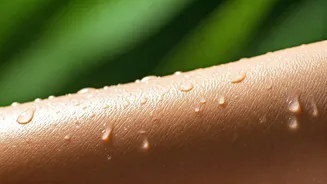
The monsoon ushers in a dramatic spike in humidity, which completely changes how our skin behaves. The air is heavy with moisture, which sounds like it should be good for hydration, but it's not that simple. This damp environment causes you to sweat more,
and that sweat mixes with your skin's natural oils (sebum) and environmental pollutants. [8, 9] This sticky combination is a perfect recipe for clogged pores, which can lead to a frustrating increase in acne and breakouts on the face, chest, and back. [4, 5] Furthermore, the constant dampness creates an ideal breeding ground for bacteria and fungi. This is why fungal infections like ringworm and athlete's foot, along with bacterial infections and flare-ups of conditions like eczema, become much more common during the rainy season. [2, 3, 5]
The Common Mistake That Makes Things Worse
When faced with greasy, shiny skin, our first instinct is often to fight back. We reach for strong, foaming cleansers that promise to strip away every last bit of oil and wash our faces repeatedly throughout the day. While this might provide a moment of squeaky-clean satisfaction, it's one of the biggest mistakes you can make. [8] Many people also believe that since the air is humid, their skin doesn't need any more moisture, so they stop using their moisturiser. [8, 11] This two-pronged attack of over-cleansing and under-moisturising severely compromises your skin's natural protective barrier. [5, 8] A damaged barrier can't regulate oil production properly, sometimes causing your skin to produce even more oil to compensate, leading to a vicious cycle of greasiness and breakouts. [10, 14]
The One Habit Your Skin Needs: Lightweight Moisturising
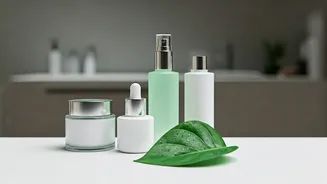
Here is the single most important habit your skin needs this monsoon: moisturise twice a day with the *right* kind of moisturiser. It feels counterintuitive to add moisture to skin that already feels slick, but dermatologists confirm this is a non-negotiable step. [7, 10] The humidity in the air does not hydrate your skin barrier. [10, 14] Skipping moisturiser can actually lead to dehydration, making your skin more vulnerable to irritation and infection. [8] The key is to switch from heavy, oil-based creams to a lightweight, non-comedogenic (meaning it won't clog pores) formula. [5] This simple habit helps to strengthen your skin barrier, regulate sebum production, and lock in hydration without adding any greasiness, keeping your skin balanced and protected. [12, 14]
How to Choose Your Monsoon Moisturiser
Navigating the skincare aisle for the perfect monsoon moisturiser is easier than you think. The key is to look for specific textures and ingredients. Opt for products that are labelled as "gel-based," "water-based," or "oil-free." [8, 13, 14] These formulas are designed to absorb quickly and provide hydration without a heavy or sticky feel. [20] Look for powerhouse hydrating ingredients on the label like hyaluronic acid, which draws moisture into the skin, and ceramides, which help to repair and strengthen the skin's barrier. [6, 12] Glycerin is another excellent lightweight hydrator. [6] For those with oily or acne-prone skin, a moisturiser containing niacinamide can be particularly beneficial, as it helps to regulate oil production and reduce inflammation. [14, 17]
Essential Habits to Support Your Skin
While lightweight moisturising is the cornerstone of a good monsoon routine, a few other habits can make a significant difference. First, cleanse gently. Use a mild, sulphate-free cleanser twice a day to remove dirt and oil without stripping your skin. [10] Second, don't skip sunscreen. Up to 80% of UV rays can penetrate through clouds, so a broad-spectrum sunscreen with at least SPF 30 is essential every single day to prevent pigmentation and sun damage. [7, 10] Finally, consider gentle exfoliation once or twice a week with a mild chemical exfoliant (like salicylic acid for oily skin) to help keep pores clear of dead skin cells and prevent breakouts. [15] And whenever you get caught in the rain, change out of damp clothes as soon as possible to prevent fungal infections. [10]