




The Current Weather Picture
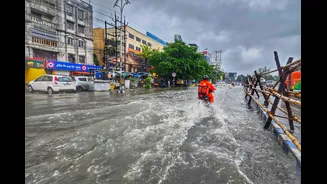
While the overall forecast for August and September suggests 'below-normal' rainfall for the country, this doesn't mean dry days ahead for everyone. On the contrary, the IMD has issued specific warnings for heavy to very heavy rainfall in regions like
the Northeast, Bihar, West Bengal, and parts of Northwest and Central India through the first week of August. This active phase of the monsoon can lead to waterlogging, transport disruptions, and last-minute changes to travel itineraries, making advance preparation essential.
Decoding 'Flexible' Booking Policies
In recent years, 'flexible booking' has become a buzzword, but its meaning can vary significantly. It is not a free pass to cancel anytime without penalty. For airlines, flexibility often means the waiver of change fees, but you might still have to pay the fare difference if your new flight is more expensive. For hotels, a flexible policy usually defines a window, such as 24 or 48 hours before check-in, within which you can cancel for a full refund. Miss that window, and you could lose the cost of your first night or even the entire booking. Always read the fine print before you book. Travel operators note that consumer demand for clear, penalty-free cancellation options is increasing.
Airline Rules During Weather Disruptions
Airlines are generally exempt from paying monetary compensation for delays and cancellations caused by bad weather, as it's considered a 'force majeure' event. However, passenger rights are still protected. According to DGCA regulations, if your flight is cancelled, you are entitled to either a full refund or an alternate flight. For significant delays, airlines must provide meals and refreshments. If a delay stretches overnight (for instance, a flight scheduled between 8 p.m. and 3 a.m. is delayed over six hours), they must also provide hotel accommodation and transfers. Many airlines have implemented specific flexible rebooking policies to help passengers navigate monsoon disruptions.
Your Hotel Check-In Strategy
Hotels understand the uncertainty of monsoon travel and many are offering more flexible terms to attract guests. Some hotel chains and booking platforms now actively promote packages with flexible stay windows and easier check-in terms. Booking directly with a hotel can sometimes offer more leverage for a last-minute change than booking through a third-party site. However, online travel agencies have also enhanced their offerings with more flexible choices. For ultimate flexibility, especially during sudden downpours in cities like Mumbai, hourly hotels are emerging as a cost-effective solution, allowing you to pay only for the time you need.
Consider an Extra Layer: Travel Insurance
For maximum peace of mind, travel insurance is an indispensable tool. A standard policy often includes coverage for trip delays, cancellations, and interruptions due to severe weather. If a downpour leads to a flight cancellation, insurance can help recover non-refundable costs for hotel bookings, prepaid tours, and other activities. It can also cover expenses for alternate travel arrangements if your original plan is derailed. With an increase in weather-related disruptions, many travellers are now wisely opting for insurance plans that specifically cover such events.
What You Can Do Right Now
Proactive planning can turn a potential travel nightmare into a minor inconvenience. First, review the cancellation policies for all your upcoming bookings. Save the customer service numbers for your airline and hotel offline. Second, monitor weather forecasts from official sources like the IMD as your travel date approaches. Third, pack smart. Keep electronics in waterproof bags and have digital copies of all important documents. Finally, build buffer time into your itinerary. Avoid scheduling tight connections or important meetings immediately after you land, giving you room to adapt if delays occur.