






The Rise of the Micro-Vacation
The feeling is all too common: your annual leave is depleted, but your energy reserves are, too. In a demanding work culture, waiting for a long holiday can feel like a distant dream. This is where the concept of the micro-vacation, or a short, intentional
break of two to three days, comes in. Research shows that even short breaks can significantly reduce stress, improve focus, and prevent the mental fatigue that builds up from constant screen time and city noise. Instead of seeing travel as a rare, grand event, urbanites are embracing these brief but impactful escapes. They offer a tangible way to disconnect and recharge without the logistical headache and expense of a long-haul trip, making wellness an accessible, regular practice rather than a once-a-year luxury.
More Than Just a Hotel Stay
A weekend retreat is different from simply booking a hotel room in a nearby town. The key distinction is its sense of purpose. These getaways are intentionally designed to offer a specific experience, whether it's rejuvenation, adventure, or quiet contemplation. While a standard hotel provides a place to sleep, a retreat offers a curated environment to help you actively disconnect. This could mean a digital detox where screen use is discouraged, a wellness program with structured activities like yoga and meditation, or an itinerary focused on nature immersion. They are built around the idea of returning home genuinely refreshed, not just having seen a new place. Many are located just a few hours' drive from major hubs like Mumbai, Delhi, and Bengaluru, making them convenient for a Friday evening departure.
The Wellness and Detox Escape
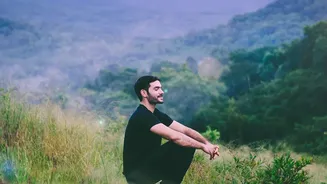
For those feeling mentally cluttered and physically exhausted, a wellness retreat is the perfect solution. These centres focus on holistic health, combining practices like Ayurveda, yoga, and meditation with healthy, organic cuisine. Destinations near cities like Pune and Rishikesh have become hubs for this kind of travel, offering everything from structured Ayurvedic programs to more relaxed yoga-focused stays. Atmantan near Pune, for example, offers programs focused on stress management and rejuvenation. Similarly, the foothills of the Himalayas provide a serene backdrop for spiritual and mental resets. These retreats are designed to quiet the noise of daily life and provide you with tools and habits to take back to the city.
Answering the Call of Nature
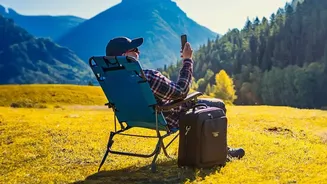
Escaping the concrete jungle is another primary motivator for weekend travelers. Nature retreats offer a chance to trade traffic horns for birdsong. These can range from rustic farm stays and eco-friendly lodges to luxurious resorts set in lush landscapes. Hill stations like Lonavala and Chikmagalur offer city dwellers from Mumbai and Bengaluru a quick escape into green, misty hills, coffee plantations, and trekking trails. These getaways are perfect for those who recharge by being outdoors. Activities often include guided nature walks, hikes to waterfalls, or simply relaxing in a hammock with a book. The goal is to reconnect with the natural world, which has a proven calming effect on the mind.
A Dose of Weekend Adrenaline
For some, relaxation comes from a rush of adrenaline. Adventure-focused weekend trips provide a physical challenge that effectively clears the mind of work-related stress. The areas surrounding major cities offer ample opportunities for this. Near Bengaluru, destinations like Coorg, Chikmagalur, and Sakleshpur are hotspots for trekking, camping, and even white-water rafting. Kanakapura offers activities like kayaking and ziplining just a short drive from the city. Similarly, the proximity of the Himalayas to Delhi allows for quick trips for trekking and camping. These adventures force you to be present in the moment, making it impossible to dwell on overflowing inboxes or looming deadlines.
How to Plan Your Quick Escape
Making a short trip successful comes down to smart planning. First, choose a destination that is easy to reach to minimise travel stress. A four to six-hour drive is a good rule of thumb. If you can, leave on a Friday evening instead of Saturday morning to maximize your time. Don't overschedule your weekend; pick one or two main activities and leave room for spontaneous relaxation. Packing light also helps reduce friction. Finally, book your stay in advance, especially if you're targeting a long weekend, as popular retreats fill up quickly. By treating this short break as a non-negotiable appointment in your calendar, you prioritise your well-being and ensure you get the rest you need.