

Your Backpack: The First Line of Defence
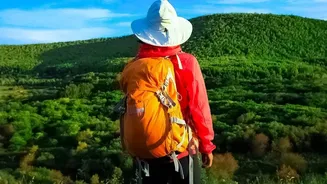
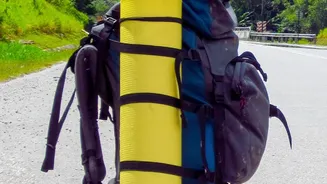
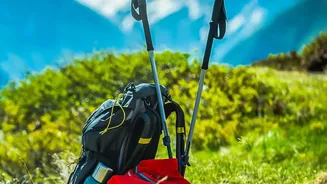
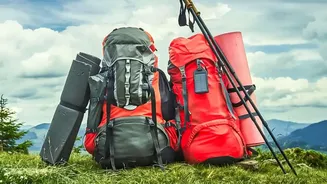
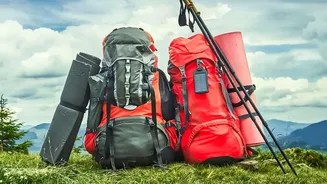
Your entire trekking world is on your back, so protecting it is paramount. While many backpacks claim to be water-resistant, continuous rain can seep through. The non-negotiable solution is a two-pronged approach: a waterproof rain cover for the outside
and dry bags for the inside. A brightly coloured rain cover protects your pack from downpours and mud, while also increasing your visibility on the trail. Inside, compartmentalise your belongings using dry bags or even simple plastic bags. This ensures that your spare clothes, electronics, and food remain completely dry, even if your main pack gets damp.
Essential Clothing: The Art of Layering
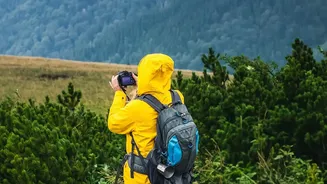
When it comes to monsoon clothing, one word is key: quick-dry. Cotton is your enemy on a wet trek; it absorbs moisture, becomes heavy, and takes forever to dry, which can make you feel cold. Instead, opt for synthetic fabrics like polyester or nylon for your t-shirts and trekking pants. These materials wick moisture away from your body and dry quickly. A good waterproof and breathable rain jacket or a poncho is absolutely essential. Many trekkers prefer ponchos as they are lightweight and can cover both you and your backpack, offering excellent ventilation. Don't forget to pack an extra set of dry clothes for the campsite.
Footwear: Grip is Everything
Monsoon trails are notoriously slippery, with mud, wet rocks, and slick grassy patches. Your regular sports shoes won't cut it. Invest in a pair of trekking shoes with deep lugs and high-traction soles designed for wet terrain. Good grip is your best defence against slips and falls. While waterproof shoes sound ideal, many experienced trekkers suggest that water will eventually get in from the top during a heavy downpour or a stream crossing. The more crucial feature is that the shoes drain quickly and are made of quick-drying material. Good ankle support is also vital to prevent twists on uneven ground. Pair your shoes with waterproof or synthetic socks, and consider carrying leech-proof socks for treks in leech-infested areas like the Western Ghats.
Small Accessories, Big Impact
A few small items can make a huge difference in your comfort and safety. A trekking pole provides a crucial third point of contact, enhancing your stability on slippery descents and ascents. A sun cap worn under your hood might seem odd, but it's a clever trick to keep rainwater from dripping onto your face and obscuring your vision. Waterproof gloves can be a blessing, keeping your hands warm and functional, especially at higher altitudes. Finally, pack zip-lock bags or small waterproof pouches for your phone, wallet, and power bank to give them an extra layer of protection.
Safety and First-Aid Essentials
A well-stocked first-aid kit is a must for any trek, but it's especially important in the monsoon when the risk of minor injuries is higher. Your kit should include basics like antiseptic wipes, bandages, blister tape, pain relievers, and any personal medications. Given the damp conditions, it's wise to also include an anti-fungal powder. Pack insect repellent to ward off bugs and a small bottle of hand sanitiser for hygiene. A headlamp or flashlight is essential, as monsoon skies can get dark quickly. Finally, carry water purification tablets or a filter to ensure you have access to safe drinking water throughout your journey.