



What Exactly Is 'Elevated' Comfort Food?
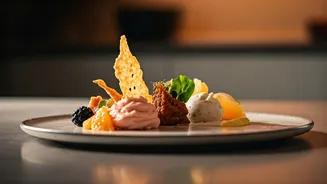
At its heart, this trend is about taking beloved, simple dishes and reimagining them with premium ingredients, sophisticated techniques, and creative twists. Think of it as your favourite home-cooked meal, but prepared by a professional chef. It’s the difference
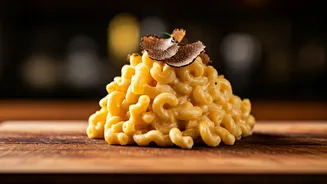
between a simple dal and a slow-cooked dal makhani with artisanal butter; a standard burger and a smashed burger with a brioche bun and truffle aioli. The core idea is to evoke feelings of warmth and security while delivering a high-quality, memorable dining experience. This isn't about deconstructing classics beyond recognition. Instead, chefs are enhancing them, using locally sourced produce or adding global flavours, like kimchi in mac and cheese or Indian spices in a shepherd's pie, to create something both new and deeply familiar.
The Psychology of Craving Comfort
The demand for comfort food is deeply rooted in psychology. These are the dishes tied to our happiest memories. In uncertain times, familiar flavours provide an inexpensive and effective dose of feel-good emotion and stress relief. The global pandemic seems to have had a lasting impact, pushing diners toward foods that act as a coping mechanism and a source of solace. A survey by the National Restaurant Association for its 2026 culinary forecast highlighted that comfort and nostalgia are top trends, with diners seeking meals that offer both joy and a sense of familiarity. There's also a growing fatigue with overly formal or experimental dining. People want food that is satisfying without being intimidating, and elevated comfort dishes provide that perfect middle ground.
The Business of the 'Sweet Spot'
For restaurants, this trend is more than just a creative exercise; it's a strategic business decision. The 'sweet spot' lies in its broad appeal and strong profit margins. Comfort food classics have a lower barrier to entry for customers—everyone knows what a good biryani or plate of chole bhature is. By using high-quality ingredients, restaurants can justify a premium price point. At the same time, the core components are often less expensive and less risky than those for esoteric fine-dining dishes. This approach allows operators to balance providing desirable food with a price that customers can afford, a key consideration for diners. Furthermore, these dishes often rely on simpler, consistent preparation methods, which helps kitchens maintain quality and efficiency. The result is a menu that is attractive to a wide audience, financially sound for the business, and deeply satisfying for the customer.
From Khichdi to Global Classics
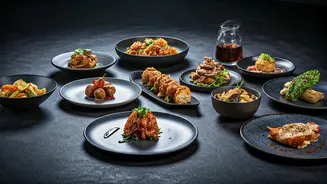
This trend is unfolding beautifully across India. Classic Indian comfort foods are being presented in new, refined avatars. A simple bowl of khichdi, long considered a humble, nourishing meal, might be re-envisioned with exotic vegetables or a gourmet tadka. Dishes like biryani, dal makhani, and palak paneer are staples of this movement, celebrated for their inherent richness and emotional connection. Many chefs are taking inspiration from their own childhoods, elevating dishes they grew up with. Internationally, the trend is just as strong. Chefs are putting their spin on everything from mac and cheese and spaghetti with meatballs to ramen and chicken soup. The common thread is a deep respect for the original dish, combined with the creativity and skill to make it feel special and new.