
1. Layer Plush, Cosy Textiles
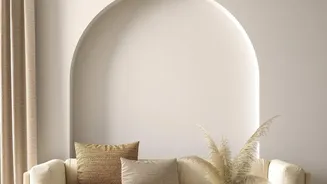
One of the quickest ways to add warmth and comfort is by layering soft, touchable fabrics. Bouclé, with its curly, nubby texture, continues to be a favourite for making a statement. A bouclé armchair or even a few scatter cushions can instantly make a room
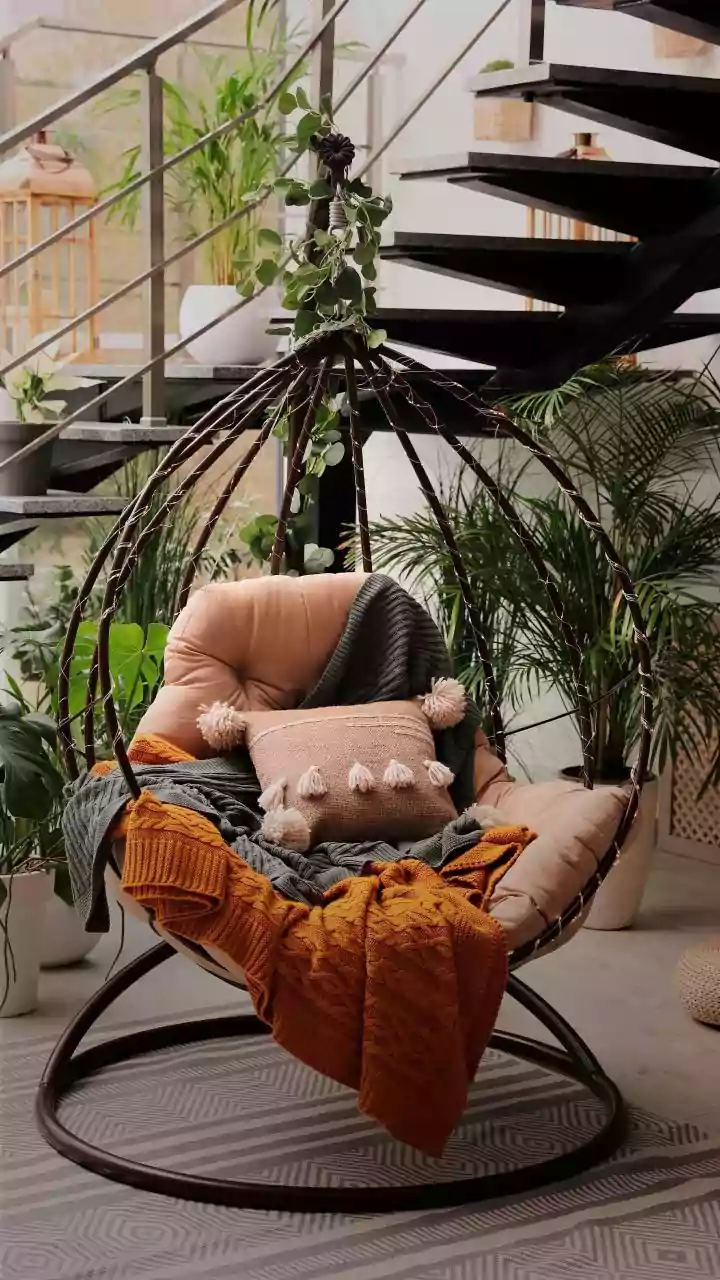
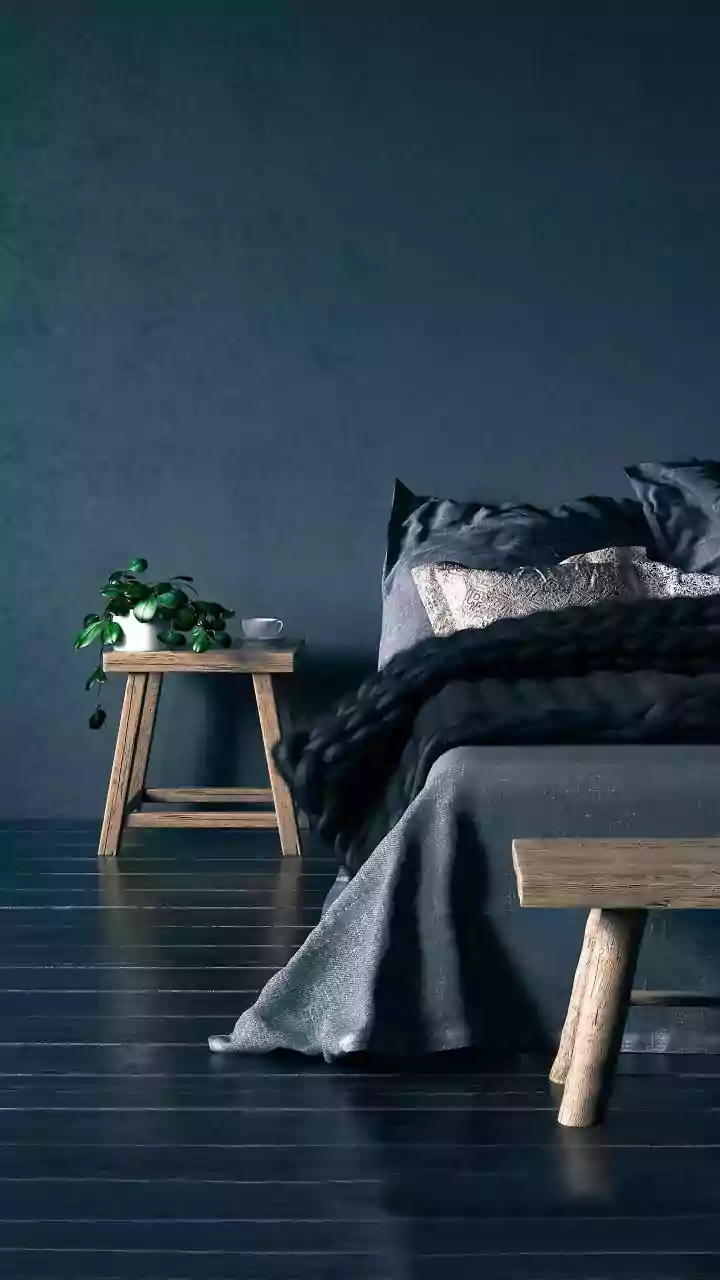
feel more inviting. Don’t stop there. Combine it with other materials like chunky knit throws, soft velvet pillows, and luxurious wool rugs. The mix of different soft surfaces creates a rich, sensory experience that invites you to relax. This layering prevents the neutral tones from feeling cold and adds significant visual depth.
2. Embrace Natural Woven Fibers
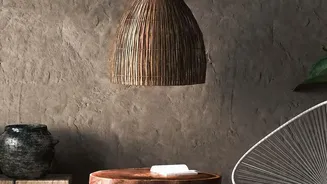
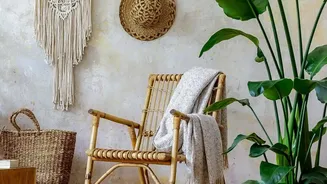
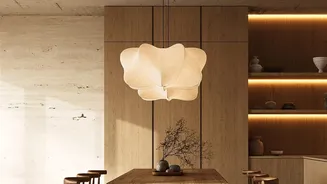
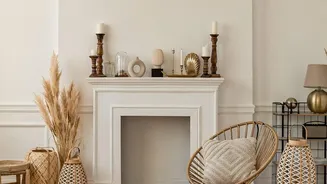
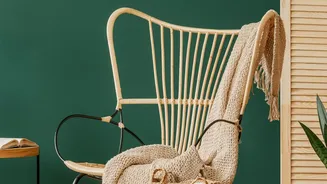
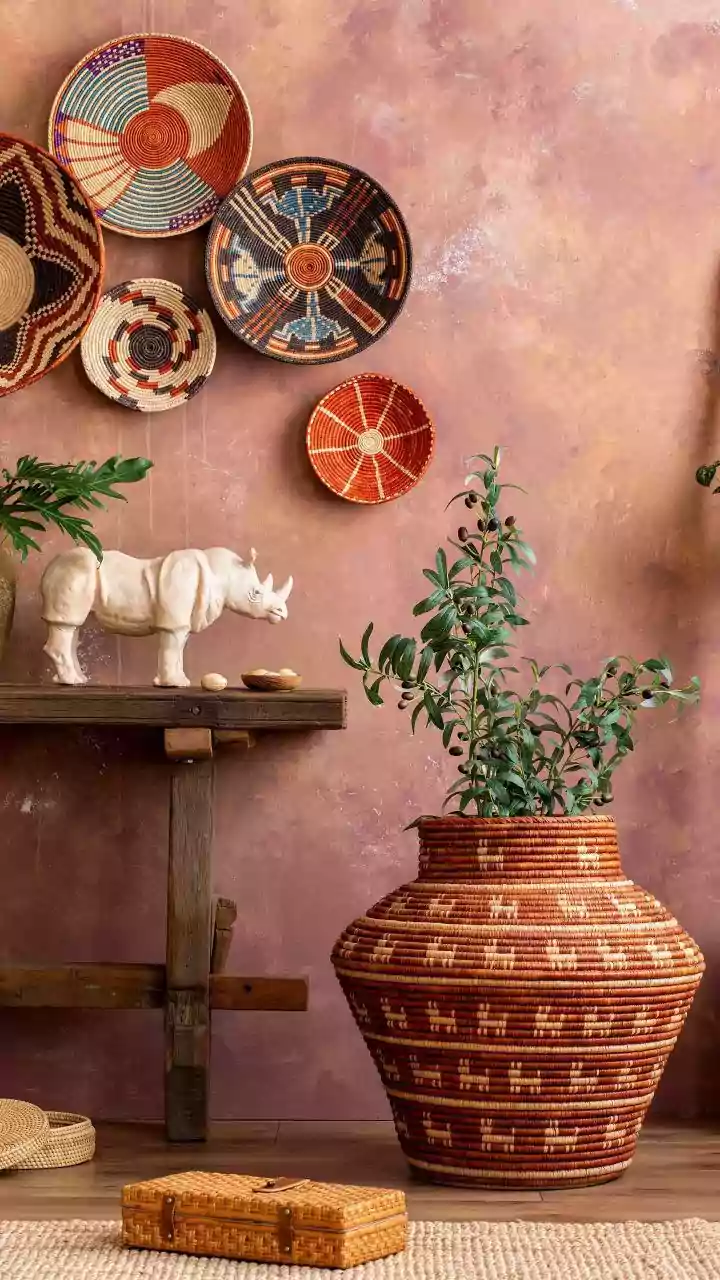
Bring the outdoors in by incorporating natural materials like jute, rattan, and seagrass. These organic textures provide a beautiful contrast to smoother surfaces and add a rustic, earthy element to a polished space. A large jute rug can ground a living area, defining the space while adding a dose of rugged character. Woven baskets are perfect for stylish storage, and a rattan light fixture or cabinet can serve as a stunning focal point. These pieces work so well in a cream and white scheme because their natural tones complement the palette, adding warmth without introducing bold colour.
3. Introduce Ribbed and Fluted Surfaces
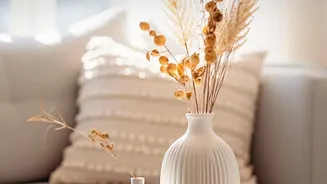
For a more structured and modern form of texture, look to fluted or ribbed details. This trend, inspired by ancient Greek columns and revived in the Art Deco era, adds a subtle architectural rhythm to a room. You can find it on a variety of pieces, from timber sideboards and media consoles to glass cabinet doors and ceramic vases. The vertical grooves play with light and shadow, creating a dynamic effect that adds sophistication. A fluted coffee table or a pair of ribbed table lamps can introduce this elegant texture in a subtle way, preventing the space from feeling uniform.
4. Play with Textured Wall Finishes
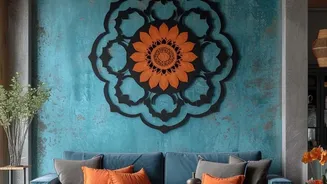
Don't let your walls be an afterthought. Moving beyond a simple flat coat of paint can have a dramatic impact. Consider options like limewash or plaster-effect paint, which give walls a soft, chalky texture that catches the light beautifully. Textured wallpaper, such as grasscloth or linen-effect designs, is another excellent way to add dimension and warmth. For a bolder statement, a feature wall with 3D panels or a woven wall hanging can act as a piece of art in itself, providing a tactile focal point that breaks up the monotony of smooth surfaces. These finishes add a layer of complexity that makes the entire room feel more curated and complete.
5. Mix Hard and Soft Materials
The key to a truly dynamic space is contrast. Balance the softness of your textiles with the hard, smooth surfaces of other materials. For example, pair a plush sofa with a sleek marble or stone coffee table. Place a smooth, ceramic vase on a grainy, natural wood sideboard. Incorporate metallic accents like brushed brass or black iron in light fixtures, mirror frames, or table legs to provide a cool counterpoint to warm fabrics. This interplay between different materials—smooth and rough, warm and cool, soft and hard—is what creates visual interest and stops a neutral room from feeling one-note. Each texture highlights the qualities of the one next to it, resulting in a balanced and engaging interior.