


Dressing for the Cold: The Layering System
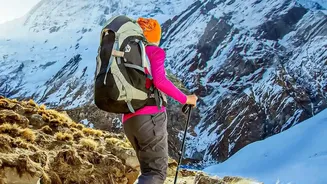
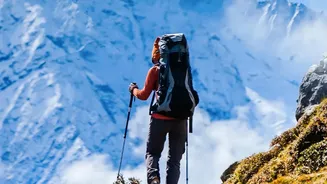
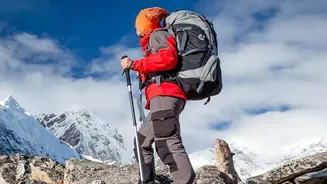
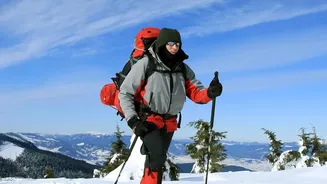
Success on a winter trek isn't about one thick jacket; it’s about smart layering. This method allows you to adapt as your body heats up while hiking or cools down at camp. Your system should include three key parts. First, a thermal base layer (top and
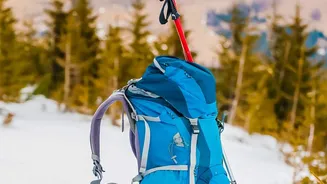
bottom) to wick moisture away from your skin. Second, an insulating mid-layer, like a fleece or a down jacket, to trap body heat. Finally, a waterproof and windproof outer shell to protect you from snow and wind. Proper gear for your extremities is just as crucial. Invest in waterproof trekking shoes with good grip, woolen socks, a cap or balaclava to cover your head and ears, and two pairs of gloves (a thin liner and a waterproof outer pair).
Kedarkantha: The Beginner's Classic Snow Summit
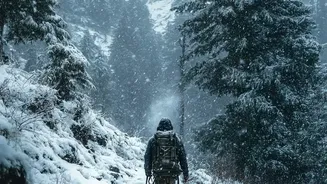
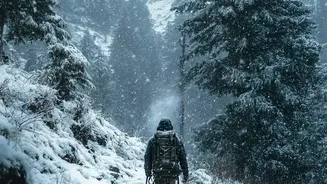
Often called the 'Queen of Winter Treks', Kedarkantha in Uttarakhand is one of India's most popular choices, especially for first-timers. The trail is graded easy-to-moderate and winds through beautiful snow-laden pine forests, offering stunning 360-degree views from its 12,500-foot summit. The prime winter season is December to February. In December, expect day temperatures of 5°C to 10°C, with nights plunging to between -5°C and -10°C as the first heavy snows arrive. January is the coldest and snowiest month, with daytime highs of 0°C to 5°C and brutal nights that can drop to -15°C. By February, the snowpack is still deep, but the days get slightly sunnier and warmer, with temperatures from 3°C to 8°C during the day and -12°C to -7°C at night.
Brahmatal: For Frozen Lakes and Mountain Vistas
Known for its magnificent frozen high-altitude lakes, Bekaltal and Brahmatal, this trek offers spectacular views of Mt. Trishul and Mt. Nanda Ghunti. It's considered an easy-to-moderate trek, making it another fantastic option for those new to snow. The winter season mirrors Kedarkantha. In December, as snow begins to settle, day temperatures are around 2°C to 10°C, while nights can fall to -10°C. January is peak winter; expect heavy snow and the coldest temperatures, with days between -5°C and 5°C and nights dropping to -15°C. Both lakes are typically frozen solid during this time. February offers a similar experience with deep snow, but slightly longer days make it feel a bit less severe.
Dayara Bugyal: The Vast White Meadows
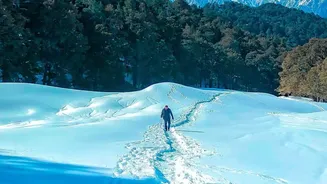
Dayara Bugyal's main draw is its vast, rolling meadows, which are transformed into an endless expanse of white in winter. This trek is also beginner-friendly and offers incredible views of the Gangotri range. Snowfall usually begins in mid-to-late December, with daytime temperatures around 5°C to 10°C and nights at a chilly -5°C to -10°C. January is the coldest month, with similar day temperatures but nights that can plummet below -10°C, especially on clear nights at higher camps. The meadows are typically buried under deep snow, making for a true winter wonderland experience. February sees a stable snowpack and sunnier days, offering a great balance of winter scenery and slightly more comfortable conditions.
Chadar Trek: The Expert-Level Frozen River
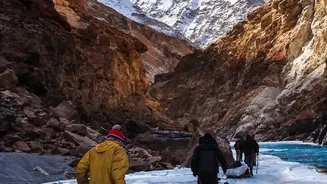
The Chadar Trek in Ladakh is in a league of its own. It's not a mountain climb but a walk along the frozen Zanskar River. Graded as difficult, its primary challenges are not altitude gain but the extreme cold and the unpredictable nature of the ice. This trek is only for seasoned adventurers. The only time to do it is in January and early February, when the river is most reliably frozen. The temperatures are severe: daytime hovers between -5°C and -15°C, while nights regularly drop to a staggering -20°C to -30°C. The environment is hostile, and the risk of slipping into sub-zero water is real, demanding expert guidance and preparation.