





The New Prime Time
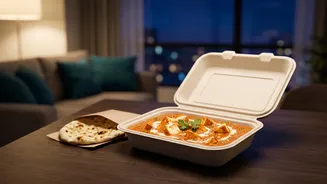
The traditional 9 PM dinner is fading for many young urban Indians. Sleep timings have shifted, with many staying up until 2 or 3 AM, creating a new 'fourth meal' occasion. This isn't just about a one-off craving; it's a fundamental change in daily rhythms.
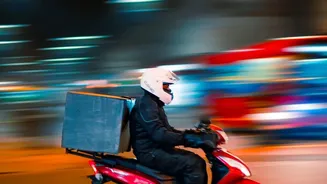
Reports from food delivery platforms show that late-night delivery volumes have doubled in the past year, with orders between 11 PM and 3 AM surging. This growth is outpacing traditional mealtimes, signaling a permanent reset in the food business and a response to how a new generation lives, works, and unwinds.
Work, Work, and More Work
A key driver behind the late-night dining trend is the evolution of the workplace. With global team collaborations, flexible hours, and the rise of the gig economy, the classic 9-to-5 workday is often a relic. Many young professionals in the tech and service industries find their days ending closer to 10 or 11 PM. Food delivery companies have taken note, with platforms like Swiggy launching dedicated programs for late-night workers, recognizing that for a significant portion of the workforce, post-10 PM orders are a necessity, not an indulgence. This is compounded by long and unpredictable commutes in cities like Bengaluru, which can derail any intention of cooking a timely meal at home.
Entertainment on Demand
Leisure time has also shifted into the night. The boom in on-demand entertainment, from OTT streaming platforms to online gaming with global players, has turned post-midnight hours into prime time for relaxation. Binge-watching a new series or logging on for a gaming session has become a popular way to unwind after a long day. Food is the perfect companion to this new form of leisure. Food delivery platforms see significant spikes in orders during major sporting events like the FIFA World Cup or the IPL, which often have late-night schedules. Snacks are a particularly popular category, seen as the preferred companion for these midnight marathons.
The Psychology of a Click
Late-night ordering is often driven by more than just physical hunger. For many, it serves an emotional purpose. It can be a form of reward-seeking behavior after a stressful day — a small, controllable win. For others battling decision fatigue after endless work choices, the simple act of choosing a meal from a curated list is far easier than planning and cooking one from scratch. In a world of busy schedules, a late-night order can also replace a missed social meal, creating a sense of comfort and connection, even if it's just with a favourite show. Desserts, in particular, have seen a boom, serving as an affordable and accessible treat for self-care.
An Ecosystem of Convenience
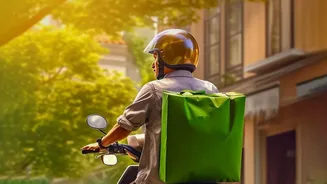
This entire trend is supercharged by a robust and ever-expanding delivery ecosystem. The friction that once prevented late-night eating—limited options, closed kitchens, long waits—has largely vanished. Food delivery platforms have not only made it possible but have actively encouraged the behavior, creating 'late-night cravings' sections and pushing notifications after 10 PM. Major fast-food chains like McDonald's and Domino's now keep many outlets open until 3 AM to meet this demand. This convenience, coupled with the rise of quick-commerce for everything from snacks to essentials, has made ordering food at midnight feel as normal as ordering it at noon.