








A New Space Age for India
A quiet revolution is unfolding in India's final frontier. The familiar monopoly of the Indian Space Research Organisation (ISRO) is giving way to a dynamic ecosystem buzzing with private ambition. A flurry of recent breakthroughs from homegrown startups
has signaled that the nation's commercial space race is officially on. This shift is not just about building rockets; it's about redefining India's economic future and its place in the global space economy, which is projected to grow significantly. Recent government reports estimate India's space economy could soar from around $8 billion to over $40 billion in the next decade, fueled by this new wave of private participation.
Meet the Trailblazers
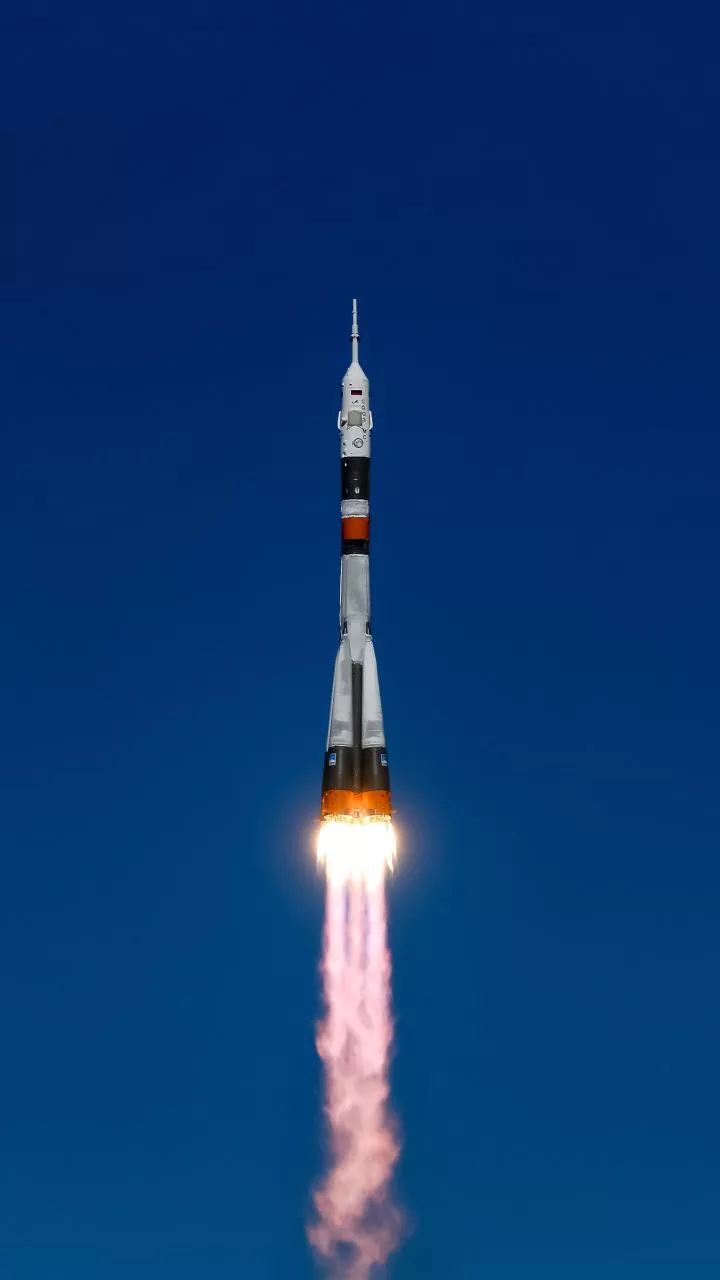
Two names dominate the early headlines: Skyroot Aerospace and Agnikul Cosmos. Hyderabad-based Skyroot became India's first private company to launch a rocket into space with its successful suborbital flight of Vikram-S in late 2022. The company is now gearing up for an even more ambitious goal: the orbital launch of its Vikram-1 rocket, with a launch window announced for July-August 2026. Meanwhile, Chennai-based Agnikul Cosmos, incubated at IIT-Madras, achieved a milestone with its Agnibaan SOrTeD mission, which was powered by the world's first single-piece 3D-printed rocket engine. The mission launched from India's first private launchpad, demonstrating end-to-end in-house capabilities.
The Policy That Unlocked the Sector
This boom wasn't accidental. It was enabled by a landmark policy shift in 2020, which opened the space sector to private players. The creation of the Indian National Space Promotion and Authorisation Centre (IN-SPACe) was a critical step. IN-SPACe acts as a single-window agency to promote, authorise, and supervise the activities of private space companies, cutting through red tape and providing access to ISRO's world-class facilities. This framework, clarified further by the Indian Space Policy 2023, is designed to transform the ecosystem from a government-led, supply-driven model to a demand-driven one where private firms can thrive.
ISRO’s New Role: From Soloist to Conductor
Instead of being replaced, ISRO's role is evolving. The agency is transitioning from being the sole performer to becoming a mentor and enabler for the private sector. By handing over routine operations, like the manufacturing of its workhorse Polar Satellite Launch Vehicle (PSLV), to private consortiums, ISRO can focus its immense expertise on cutting-edge research and development, deep space exploration, and national security missions like the Gaganyaan human spaceflight programme. It now provides critical technical support, shares its testing infrastructure, and collaborates with startups, fostering an environment of shared growth.
Beyond Rockets: Satellites and Data
The private space race in India isn't just about launch vehicles. A growing number of startups are focusing on other crucial parts of the value chain. Companies like Pixxel are building constellations of hyperspectral imaging satellites to provide detailed data for agriculture, climate monitoring, and urban planning. Others like Dhruva Space are developing satellite platforms and deployment systems. This diversification is crucial for building a resilient and comprehensive space industry. The goal is to capture a larger share of the global space market, with ambitions to grow India's contribution from its current 2-3% to 8% by 2030.
The Cosmic Road Ahead
The path forward is filled with immense potential and formidable challenges. Scaling up manufacturing, ensuring regulatory clarity, and securing sustained funding are key hurdles these young companies must overcome. However, the momentum is undeniable. With a surge in startups, growing investor confidence, and strong government backing, India is positioning itself as a cost-effective and innovative hub for global space services. The successful entry of private players is more than just a business development; it's a strategic leap for a nation with soaring technological ambitions.