







Monsoon Reaches Final Stretch
The Southwest Monsoon is in an active phase, with the India Meteorological Department (IMD) reporting that conditions are favourable for it to cover the entire country within days. As of early July, the monsoon has advanced into the remaining parts of Gujarat
and more areas of Rajasthan and Haryana. This final push brings widespread rainfall to northwest India, including Punjab and Delhi, completing its cross-country journey. The IMD has forecast an active spell with widespread heavy rainfall across large parts of the country, particularly over Northwest, Central, and the West Coast.
Widespread Heavy Rain Alerts
Numerous states are under alert for heavy to very heavy rainfall. The IMD has issued warnings for flash floods in several regions, including East Rajasthan, Himachal Pradesh, Uttarakhand, West Madhya Pradesh, and the Konkan & Goa region. In the north, Himachal Pradesh and Uttarakhand are braced for heavy rainfall for several days, raising concerns about landslides on hill routes. Central India, including Madhya Pradesh and Chhattisgarh, is also expecting intense monsoon conditions. On the west coast, Maharashtra, Gujarat, and the Konkan-Goa belt continue to face persistent, heavy showers, leading to waterlogging and urban flooding. In the south, coastal Karnataka and Kerala are also on alert for significant rainfall.
Major Travel Routes Disrupted
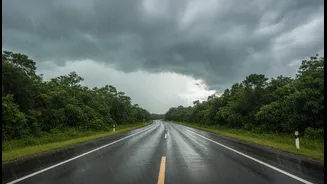
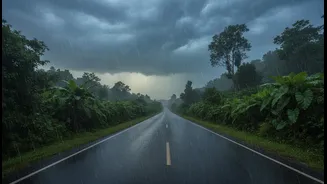
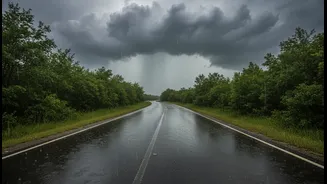
The intense rainfall has severely impacted road, rail, and air travel. In Haryana's Gurugram, a major section of National Highway-48 caved in, causing significant traffic disruption. In the hill states, landslides are a major threat, with debris blocking highways like the Yamunotri National Highway in Uttarakhand. The Mumbai-Pune Expressway and the old highway have faced closures and disruptions due to landslides and waterlogging in the ghat sections. These incidents highlight the vulnerability of even major arterial roads. Commuters are advised to expect delays and check routes before starting their journey.
Rail and Air Services Affected
The monsoon's fury is not limited to roads. Train services have been significantly affected, especially in Maharashtra. Waterlogging on tracks between stations like Neral and Karjat has led to the suspension of services. In the critical Mumbai-Pune section, landslides in the Bhor Ghat area have blocked lines, leading to the cancellation, diversion, and short-termination of numerous long-distance and local trains, including the Deccan Queen and Indrayani Express. Air travel has also been hit hard, particularly at Mumbai's Chhatrapati Shivaji Maharaj International Airport. Heavy rain and low visibility have caused scores of flight delays and cancellations, with airlines like Air India and IndiGo issuing travel advisories for passengers flying to and from Mumbai and Delhi.
How to Travel Safely This July
Given the conditions, travel during this period requires caution and flexibility. The IMD has explicitly warned that heavy rainfall may lead to flooding of roads, closure of underpasses, and reduced visibility, causing transportation delays. Before travelling, always check the latest weather forecasts from the IMD and advisories from transport authorities. If possible, keep travel plans flexible and have contingency options. For those driving, especially in hilly areas or on waterlogged roads, ensure your vehicle is in good condition and avoid risky routes. For air and rail travel, stay in constant touch with the airline or railway for real-time updates on your service. Prioritizing safety over a rigid schedule is the most important travel advice this monsoon season.