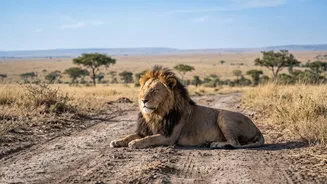








It’s a sight that makes a chilly winter safari instantly worthwhile: a majestic tiger or a magnificent lion stretched out in the golden morning light, completely at ease. But this isn't just for show; it's a critical survival strategy.
The Magic of a Winter Morning Safari
There's a unique
stillness to a forest on a cold morning. The air is crisp, the light is soft, and every sound seems to travel further. For wildlife enthusiasts on a safari in one of India's famed national parks, this is a time of peak anticipation. While summer safaris often mean searching for animals near waterholes, winter brings a different kind of magic. The cooler temperatures make the animals more active throughout the day, and one of the most sought-after sightings is that of a big cat using the morning sun as its personal heater. These moments, with a predator basking regally in the open, are what photographers and tourists dream of.
An Instinct for Energy Conservation
Big cats like tigers and lions are warm-blooded mammals, but maintaining their high body temperature—around 102 degrees Fahrenheit—burns a lot of energy, especially on a cold night. Their bodies are designed for efficiency. Every calorie is precious, as hunting is an energy-intensive and often unsuccessful endeavor. To conserve this vital energy, they use a strategy called thermoregulation. Instead of burning more fuel (food) to generate internal heat, they take advantage of an external power source: the sun. After a cold night, soaking in the sun's rays is a passive way to warm up their muscles and core, saving energy for important activities like patrolling territory and hunting.
Solar Power to the Rescue
Sunbathing, or basking, is a deliberate and crucial behavior. By exposing the maximum surface area of their bodies to the sun—often by lying on their sides or even showing their less furry bellies—big cats can absorb solar radiation effectively. This behaviour is especially common in the morning after temperatures have dropped overnight. The warmth helps relax stiff joints, which is particularly beneficial for older animals, and it simply feels good. Sunlight can also promote the production of serotonin, the 'happy hormone', putting the cats in a relaxed state. A cat lounging in a sunbeam isn't just being lazy; it's engaging in an efficient, instinctual form of self-care that is essential for its survival.
Why Safari Tracks Are Prime Real Estate
It might seem counterintuitive for a famously elusive creature to lounge in the middle of a man_made road. However, from a tiger's or lion's perspective, a safari track is the perfect spot for a morning sunbath. Firstly, these dirt tracks are clear of the cold, damp vegetation of the forest floor, which can be uncomfortable after a dewy night. Secondly, the open, exposed dirt or gravel of the track absorbs heat from the sun more quickly than the shaded undergrowth. Finally, these tracks often provide a clear, open view of the surroundings, allowing the cat to relax while still being aware of any potential threats or opportunities. To avoid resistance while walking, tigers often prefer using these established paths, making them a natural place to stop and rest.
A Predictable Spectacle for Safari_Goers
This predictable behavior is a gift to safari guides and tourists. In winter, guides know that the best chance of a sighting is often along the sunny stretches of road in the morning. The animals are more active and visible as they patrol and warm up. While dense foliage after the monsoons can sometimes make spotting them a challenge, their preference for open trails to sunbathe increases the odds. This creates incredible opportunities for observation and photography, allowing people to witness a quiet, intimate moment in the life of an apex predator. The very behavior that helps these animals survive the cold also provides one of the most memorable experiences a wildlife safari can offer.