




From Packaged Snacks to Premium Dining
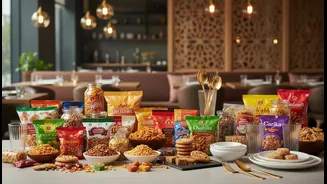
The familiar yellow packets of Haldiram's bhujia and the distinct taste of Bikanervala's sweets have long been synonymous with Indian snacking, both at home and for the diaspora abroad. For years, their global presence was defined by supermarket aisles
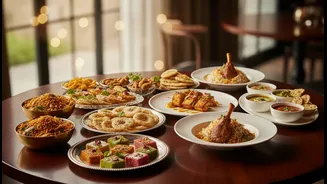
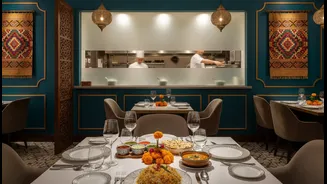
and specialty grocery stores. But a significant strategic shift is underway. These heritage brands are no longer content with just selling packaged products; they are now curating the entire dining experience. This evolution sees them moving into the competitive world of full-service restaurants, aiming to present a more comprehensive and upscale vision of Indian cuisine to a global audience. It’s a transition from the packet to the platter, representing a new level of confidence in the global appeal of authentic Indian food.
The Haldiram's London Blueprint
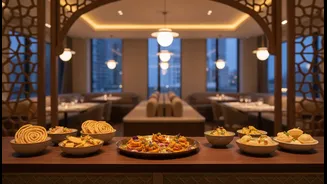
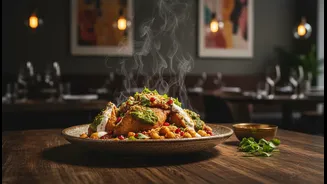
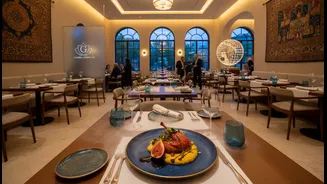
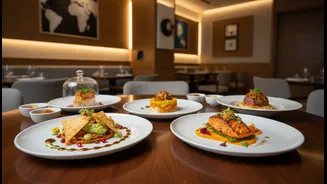
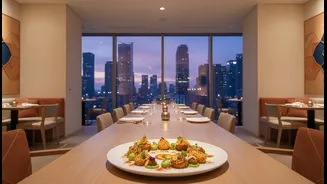
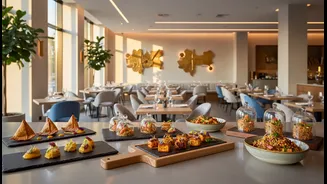
The most visible example of this trend is Haldiram's recent grand opening in London's Leicester Square in June 2026. The launch created a massive buzz, with viral videos showing long queues of eager diners, a testament to the brand's powerful nostalgic pull. However, this is not just another outlet. The 120-seat, 3,000-square-foot venue is a premium, sit-down establishment, a far cry from its quick-service formats in India. The strategy is clear: reposition the brand for a global audience as a premium casual dining destination. This is reflected in the curated menu and significantly higher prices, with a plate of pani puri costing over ten times its price in Delhi. By creating an elevated experience, Haldiram's is aiming to control the narrative around its food, serving familiar dishes in a setting designed for international appeal.
A Growing Movement
While Haldiram's London venture has captured recent headlines, it is part of a broader movement. Bikanervala, another giant of the industry, has been operating restaurants and sweet shops globally for years, with locations in the UAE, Nepal, New Zealand, the US, and the UK. The company started its journey in Delhi in the 1950s and has since expanded from a traditional sweet and snack business into a multinational restaurant chain with over 150 locations. Similarly, South Indian vegetarian chain Saravanaa Bhavan, which began in Chennai in 1981, now boasts over 80 outlets in more than 25 countries, serving as a cultural hub for the Indian diaspora. More recently, in March 2026, Bikaji Foods announced a significant investment to expand into the quick-service restaurant (QSR) and cafe space, signaling its own ambitions beyond packaged snacks.
The Strategy Behind the Spice
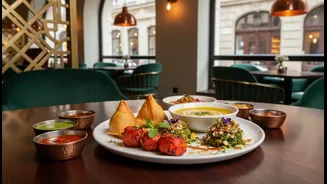
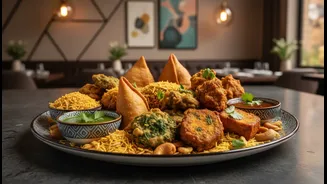
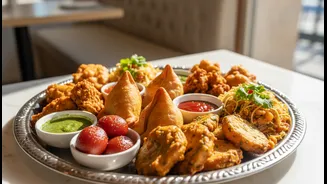
So, why are these brands making the leap into the high-risk, high-reward world of international restaurants? The motivations are both commercial and cultural. Financially, full-service restaurants offer higher profit margins and a direct relationship with the consumer, bypassing retailers. It's a classic case of brand extension, leveraging decades of established trust to enter a new, lucrative market. Culturally, it's about shaping perception. For too long, Indian food abroad has been limited to a few generic curry house staples. By opening their own restaurants, these brands can present a more authentic and diverse menu, from regional specialties to popular street food like chole bhature and raj kachori. They become ambassadors for Indian culinary heritage, controlling the quality, presentation, and story of their food on a global stage. This move allows them to cater not only to the nostalgic cravings of the Indian diaspora but also to introduce a new generation of global foodies to the true breadth of Indian cuisine.