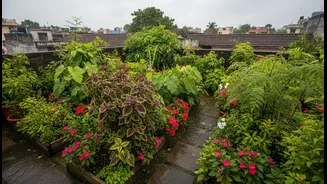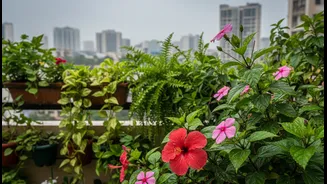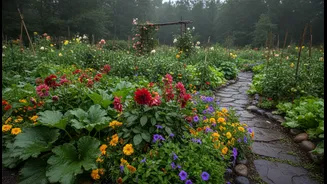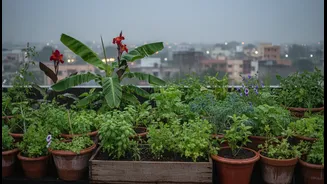





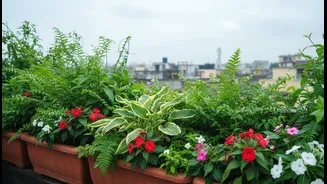



Why the Monsoon is Your Garden’s Best Friend
Many budding gardeners pause their efforts during the rainy season, but it's actually one of the most productive times of the year. The monsoon brings a trio of benefits that plants adore: natural irrigation, lower temperatures, and high humidity. The consistent
rain saves you the daily task of watering and provides mineral-rich water that is often better than tap water. Cooler daytime temperatures of 25-30°C and moist conditions help seeds to germinate and young roots to establish themselves more easily. According to the Indian Council of Agricultural Research (ICAR), vegetables sown in monsoon can show 20-35% faster growth compared to those planted in winter, thanks to the warm, humid environment.
The Critical First Step: Waterproofing
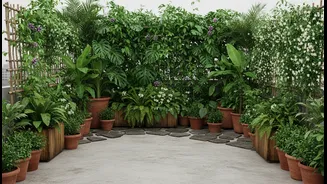
Before you bring in a single pot, ensuring your terrace is properly waterproofed is non-negotiable, especially with the heavy downpours of the monsoon. Water seepage can cause significant damage to your building's structure over time. If your terrace isn't already protected, apply a high-quality waterproofing membrane, such as a bituminous, polyurethane, or cementitious coating. It's also vital to ensure your terrace has a slight slope and clear drainage outlets to prevent water from stagnating. Elevating your pots on bricks or stands can also help improve drainage and prevent waterlogging around the plant bases.
Choosing Your Green Team: Best Plants for the Season
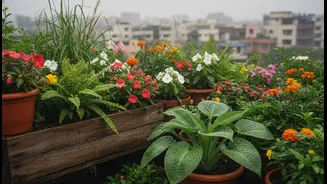
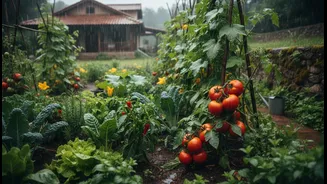
Selecting the right plants is crucial for a successful monsoon garden. Many Indian vegetables and herbs thrive in these conditions. Gourds like bottle gourd (lauki), ridge gourd (turai), and bitter gourd (karela) grow explosively during this season. Leafy greens such as amaranth (chaulai) and spinach (palak) also grow rapidly. It's the perfect time to plant root vegetables like radish, and aromatics like ginger and turmeric. Beans and cowpeas (lobia) are excellent choices as they love the moisture. You can also easily grow chillies, brinjal, and okra (bhindi). While many plants flourish, it's best to avoid planting tomatoes now, as they are highly susceptible to fungal diseases in the high humidity.
Setting Up for Success: Containers and Soil
Never use plain garden soil for your rooftop containers; it's too heavy and compacts easily, suffocating the roots. A lightweight potting mix is essential to manage the load on your roof and ensure good drainage. A proven recipe for Indian conditions is a mix of cocopeat, compost, and perlite. A good ratio to follow is 50% cocopeat for moisture retention, 30% vermicompost for nutrients, and 20% perlite or sand for drainage. For containers, fabric grow bags are an excellent choice as they are lightweight and offer superior aeration, which helps prevent waterlogging during heavy rains. For deep-rooted vegetables like gourds, choose larger containers with a depth of at least 15-18 inches.
Monsoon Menaces: Managing Pests and Diseases
The high humidity of the monsoon also creates a breeding ground for pests like aphids, mealybugs, slugs, and snails. Fungal infections such as powdery mildew and root rot are also common challenges. To combat these issues organically, regular inspection is key. Check under leaves and on new shoots for any signs of trouble. A weekly spray of neem oil mixed with a little liquid soap is a powerful, all-natural solution that repels a wide range of pests and has antifungal properties. Ensure good air circulation by avoiding overcrowding your plants. Removing any yellowing or dead leaves promptly also helps prevent the spread of disease.