





The Tale of Two Hill Stations
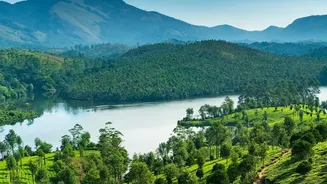
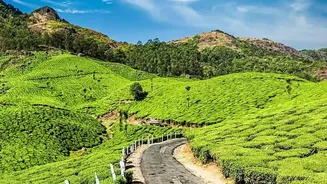
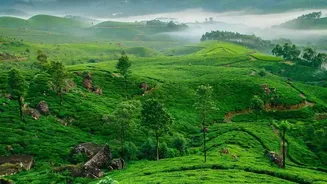
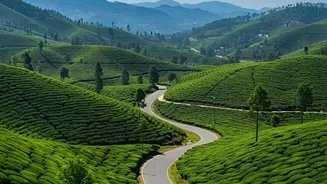
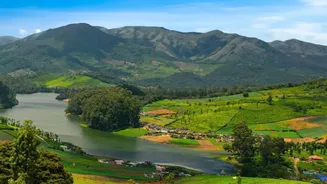
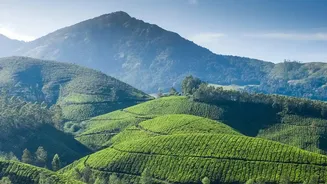
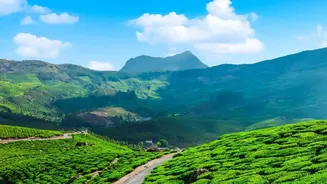
Choosing between Munnar in Kerala and Ooty in Tamil Nadu is about selecting a specific kind of experience. Munnar is an immersive landscape; the destination is not a town but the vast expanse of tea plantations. Life here is quieter, spread out, and revolves
around nature. Ooty, the 'Queen of Hill Stations', is a more traditional and bustling town with a defined centre, colonial-era architecture, and structured attractions. November is an excellent time to visit either, as the monsoon has passed, leaving lush greenery, and the peak winter crowds have yet to arrive. The weather is pleasantly cool in both places, though Ooty, at a higher altitude of around 2,240 metres, is generally a few degrees colder than Munnar (around 1,600 metres).
Getting to Munnar: The Final Scenic Stretch
Reaching Munnar is part of the adventure, as there is no direct airport or railway station in the town itself. The journey's final leg is always a scenic, winding road trip. The nearest major airport is Cochin International Airport (COK) in Kerala, located about 110-130 km away. From the airport, it’s a 4-5 hour drive by taxi or bus through lush, hilly terrain. The closest major railway stations are Aluva (AWY) and Ernakulam (ERS), also in the Kochi area. From there, you will again need to hire a car or take a bus for the final ascent into the tea country. This makes Munnar less about quick access and more about a journey into a secluded landscape.
Getting to Ooty: The Heritage Railway Option
Ooty offers more direct and varied transport options. The nearest airport is in Coimbatore (CJB), Tamil Nadu, roughly 90 km away. The drive from Coimbatore to Ooty is shorter than the drive to Munnar, taking around 3 hours. The town's most iconic transport link, however, is the Nilgiri Mountain Railway. This UNESCO World Heritage 'toy train' runs from Mettupalayam up to Ooty, offering a charming, albeit slow, journey through tunnels and across bridges. Mettupalayam serves as the nearest major railhead with broader connections. This combination of road and heritage rail makes reaching Ooty a more structured and accessible experience.
Where to Stay in Munnar: Living Among the Tea
Accommodation in Munnar is defined by its integration with the landscape. The experience is about staying 'in' the tea gardens, not just near them. Options are scattered across the hills and include everything from luxury resorts with infinity pools overlooking valleys to intimate homestays run by local families and planters. Treehouse stays and boutique properties focused on wellness and Ayurveda are also popular. Because attractions are spread out, your choice of stay heavily influences your daily experience. It's ideal for travellers seeking seclusion and a deep dive into nature, waking up to misty hillsides right outside their window.
Where to Stay in Ooty: Colonial Charm and Town Access
Ooty’s accommodation reflects its history as a colonial summer capital. You’ll find grand heritage hotels, like the Savoy, that offer a taste of a bygone era. In addition to these, there is a wide range of modern hotels, guesthouses, and resorts located both within the bustling town centre and on its quieter outskirts. Staying in Ooty provides easier access to a consolidated set of attractions like the Botanical Garden, Ooty Lake, and various shops and restaurants. This makes it a better fit for travellers who enjoy a mix of sightseeing, convenient amenities, and the ability to walk around a town centre.
The Verdict: Seclusion or Accessibility?
Ultimately, the choice depends on your travel style. For a journey focused on the landscape itself, where the stay is an integral part of the nature experience, Munnar is unparalleled. It is for those who want to disconnect and immerse themselves in serene, sprawling greenery. For those who prefer a more traditional hill station holiday with a charming town, structured sightseeing, easier accessibility, and the unique experience of a heritage train, Ooty is the clear winner. It offers a blend of natural beauty and the conveniences of a well-established tourist destination.