






The Anatomy of a Hotel Booking Scam
Online travel scams have evolved beyond poorly worded emails. Today, criminals build sophisticated 'lookalike' websites that are nearly identical to those of legitimate hotels or major booking platforms. They often purchase ads to appear at the top of search
results, sometimes even above the real website. These fake sites use professional photos, familiar logos, and urgent messages like "Only 1 room left!" to pressure you into making a quick decision. The goal is to trick you into entering your personal and financial information on their fraudulent platform, leading to you either being overcharged, receiving a fake booking confirmation, or having your data stolen for other illicit purposes.
Red Flags to Watch For Before You Book
Your first line of defence is careful observation. Pay close attention to the website's URL. Scammers often use 'typosquatting'—registering domains with subtle misspellings (like 'booklng.com') or adding words like 'deals' or 'secure' to a legitimate name. Another major red flag is the price. If a deal seems dramatically cheaper than what every other site is offering for the same property, it is likely a trap designed to lure you in. Also, inspect the site for inconsistent information. Vague room descriptions, a lack of a physical address or direct phone number, and having only a generic contact form are all warning signs. Legitimate businesses provide clear contact details.
The Critical Payment Page Check
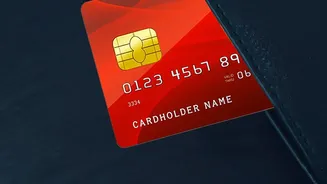
As the headline suggests, the payment stage is often where the scam becomes most apparent. Before you even think of typing your card number, look for two crucial security indicators. First, the website URL must start with "https://" and show a locked padlock icon in your browser's address bar. While this isn't a foolproof guarantee of legitimacy, its absence is a definitive warning to leave the site immediately. Second, scrutinize the payment methods offered. Scammers frequently demand payment through unusual and non-traceable methods like wire transfers, gift cards, or cryptocurrency. A reputable travel or hotel site will always offer standard credit card processing, which provides a layer of consumer protection. Any request to move the transaction off-platform or use a different method than advertised should be refused.
How to Book Your Stay Safely
The safest way to book is to go directly to the source. If you know the hotel you want, type its official website address directly into your browser or use a trusted bookmark. If you're using a third-party booking platform, stick to well-known and reputable ones. For extra assurance, after booking through a third-party site, call the hotel directly using a phone number you found independently (like from their official Google Business Profile) to confirm they received your reservation. Always use a credit card for online travel purchases rather than a debit card. Credit cards offer significantly stronger fraud protection, making it easier to dispute fraudulent charges and recover your money if something goes wrong.
What to Do If You’ve Been Scammed
If you realize you've booked on a fake site, act immediately. The first step is to contact your bank or credit card company to report the fraudulent charge. Tell them you've been a victim of a scam, ask them to reverse the transaction, and request a new card to prevent further unauthorised use. Next, report the incident to the relevant authorities. You can file a complaint with your local cybercrime division and national bodies that track fraud. This helps them build cases against scammers and warn other consumers. Finally, change the passwords for your online banking and email accounts, especially if you used the same password on the fraudulent site.