





What Does a 'Weak' Monsoon Mean?
A weak monsoon, or a 'break' phase, is a period of significantly reduced rainfall activity. According to the India Meteorological Department (IMD), a depression that brought rain has moved on, and the monsoon trough is shifting, leading to drier conditions
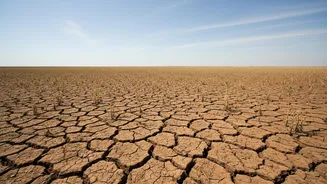
in many areas. While parts of Eastern India are receiving heavy rain due to a low-pressure system, large swathes of the country's agricultural heartland are experiencing a worrying dry spell. As of mid-August, the nationwide rainfall deficit stood at around 12% below the long-period average. This lull is particularly concerning because it comes at a critical time for the growth of Kharif crops, which were sown in June and July.
The Immediate Threat to Agriculture
For India's farmers, the timing could not be worse. The Kharif season, which depends heavily on monsoon rains, includes vital crops like rice, pulses, soybeans, and cotton. After a delayed start to the monsoon led to a significant drop in initial sowing, a recovery in July helped close some of the gap. However, the current dry spell is hitting at the crucial vegetative growth stage, where consistent moisture is essential for a healthy harvest. Data shows that the sown area for several key crops like rice and pulses remains lower than last year. Prolonged dryness now can stunt plant growth, reduce yields, and ultimately squeeze farmer incomes, which form the backbone of the rural economy.
Reservoir Levels and Urban Water Security
The monsoon's performance directly impacts the water levels in India's major reservoirs, which are crucial for drinking water, irrigation, and hydropower. Recent data shows a worrying trend. As of early August, reservoir storage in the southern, central, and northern regions was significantly below last year's levels and the ten-year average. For example, reservoirs in many southern states are holding substantially less water than this time last year, with some in Tamil Nadu at just over 37% capacity. While some regions like Mumbai are seeing comfortable water levels due to localized heavy rains, the broader picture points to potential stress on urban water supplies and electricity generation from hydropower if the monsoon doesn't revive soon.
The Ripple Effect on the Economy
A weak monsoon sends ripples throughout the entire Indian economy. Lower agricultural output is the first domino to fall. This directly translates to lower supply in the markets, which can fuel food inflation, pinching the pockets of every household. Beyond food prices, diminished farm incomes lead to a contraction in rural demand for a vast range of goods, from tractors and motorcycles to fast-moving consumer goods. This slowdown in rural consumption can drag down the country's overall GDP growth. Economists have flagged a deficient monsoon, especially one influenced by El Niño conditions, as a key risk to India's economic stability, potentially straining government finances through increased subsidies and relief measures.
Hopes for a Revival
All eyes are now on the IMD's forecasts for the remainder of August and September. While current predictions suggest a period of below-normal rainfall for the rest of the month, the monsoon is notoriously unpredictable. Meteorologists are monitoring for the formation of new low-pressure systems in the Bay of Bengal, which are often the key to reviving rainfall across central and northern India. The IMD has forecast heavy rainfall for some eastern and northeastern states in the immediate future, which could help alleviate deficits there. However, the fate of the 2026 Kharif harvest and its wider economic consequences will be decided in the coming crucial weeks.