





Ginger (Adrak)
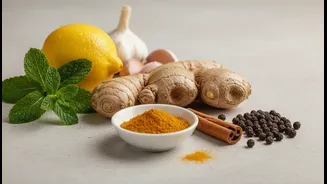
A staple in Indian kitchens, ginger is a monsoon powerhouse. Its active compound, gingerol, has potent anti-inflammatory and antiviral properties. It is excellent for soothing a sore throat, aiding digestion, and fighting off the common cold and flu,
which are rampant this season. A warm cup of ginger tea can provide immense comfort on a rainy day, helping to reduce nausea and bloating that can be common due to sluggish digestion. Incorporate freshly grated ginger into your daily curries, soups, and morning tea to keep your internal system warm and robust.
Turmeric (Haldi)
Known as the golden spice, turmeric is revered for its medicinal qualities. Its key component, curcumin, is a strong antioxidant with anti-inflammatory, antibacterial, and antifungal benefits. This makes it particularly effective in protecting the body from infections that are common during the rains. Consuming turmeric can help bolster your immune system. A glass of warm 'haldi doodh' (turmeric milk) before bed is a traditional remedy to soothe the throat and build immunity. For better absorption, always combine turmeric with a pinch of black pepper.
Garlic (Lahsun)
Garlic is another essential ingredient for a healthy monsoon diet. It is famed for its powerful antibacterial and antiviral properties, largely due to a compound called allicin. Regular consumption can help fortify your immune system against seasonal illnesses. Garlic also promotes good digestion and has been used for centuries to fight infections. Adding freshly chopped or crushed garlic to your dals, sabzis, and soups not only enhances flavour but also works to keep your body's defences strong throughout the damp weather.
Jamun (Indian Blackberry)
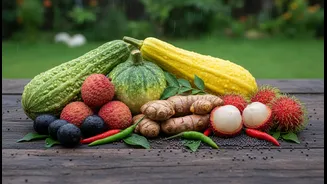
This deep purple fruit is a true monsoon delicacy. Jamun is packed with essential nutrients like iron, potassium, and Vitamin C, which are crucial for boosting immunity and keeping energy levels high. Its antioxidant properties help fight inflammation and protect the body from infections. Jamun is also known to be beneficial for regulating blood sugar levels and improving digestive health, addressing common monsoon complaints like fatigue and stomach issues. Enjoy them fresh as a snack, but only during their short seasonal window.
Bitter Gourd (Karela)
Though its bitterness can be an acquired taste, bitter gourd is one of the healthiest vegetables to eat during the monsoon. It is rich in Vitamin C and has potent antiviral properties, making it an excellent immunomodulator that helps protect against seasonal colds. Traditional wisdom values karela for supporting liver function and purifying the blood, which is beneficial when the risk of infection is high. A simple stir-fry or including it in a mixed vegetable dish can help you reap its powerful health benefits.
Pomegranate (Anar)
These jewel-like seeds are a boon for health, especially during the rainy season. Pomegranates are loaded with powerful antioxidants and have anti-inflammatory properties that help the body defend against infections like the cold and flu. They are also a good source of Vitamin C and can help boost haemoglobin levels, combating the lethargy that often accompanies grey, rainy days. You can eat the seeds whole or add them to salads and yogurt for a nutritious boost.
Corn (Bhutta)
A roasted bhutta, seasoned with salt and lime, is the quintessential monsoon snack for a reason. Beyond being a comforting treat, corn is a good source of fibre, which aids digestion when it tends to be sluggish. It is also rich in antioxidants and essential nutrients like Vitamin B, magnesium, and phosphorus. Corn provides complex carbohydrates that offer sustained energy, making it a much healthier choice than deep-fried snacks.
Gourds (Lauki, Turai)
Vegetables like bottle gourd (lauki) and ridge gourd (turai) are ideal for the monsoon. They are light, easy to digest, and have a high water content, which helps keep you hydrated. According to Ayurveda, these vegetables are cooling for the system and help maintain a healthy digestive tract, which can be sensitive during this season. Rich in dietary fibre and essential nutrients like iron and vitamins B and C, they are best consumed cooked in the form of soups or simple sabzis.
Moong Dal
This humble lentil is one of the most recommended foods during the monsoon. Moong dal is light, easy to digest, and packed with protein, which is essential for building immunity. Warm, freshly cooked dishes like khichdi, made from rice and moong dal, are considered ideal as they provide complete nutrition without burdening the digestive system. A simple moong dal soup or 'chilla' (savoury pancake) can be both comforting and incredibly nourishing.
Nuts and Seeds
A small handful of nuts and seeds can be a great addition to your monsoon diet. Almonds are rich in Vitamin E, while walnuts and flaxseeds provide omega-3 fatty acids, which help control inflammation. Pumpkin seeds are a good source of zinc, a mineral crucial for activating the body's immune defences. They serve as a filling and nutrient-dense snack, helping you avoid the temptation of unhealthy fried foods that are often craved during this season.