


The Allure of Living Low
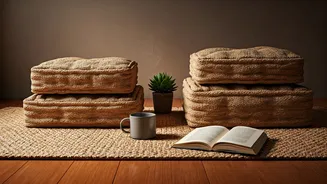
Why are so many of us suddenly drawn to floor cushions, low-slung sofas, and sprawling jute rugs? The answer lies in the atmosphere they create. Low seating arrangements foster a sense of intimacy and connection. When everyone is seated at a similar,
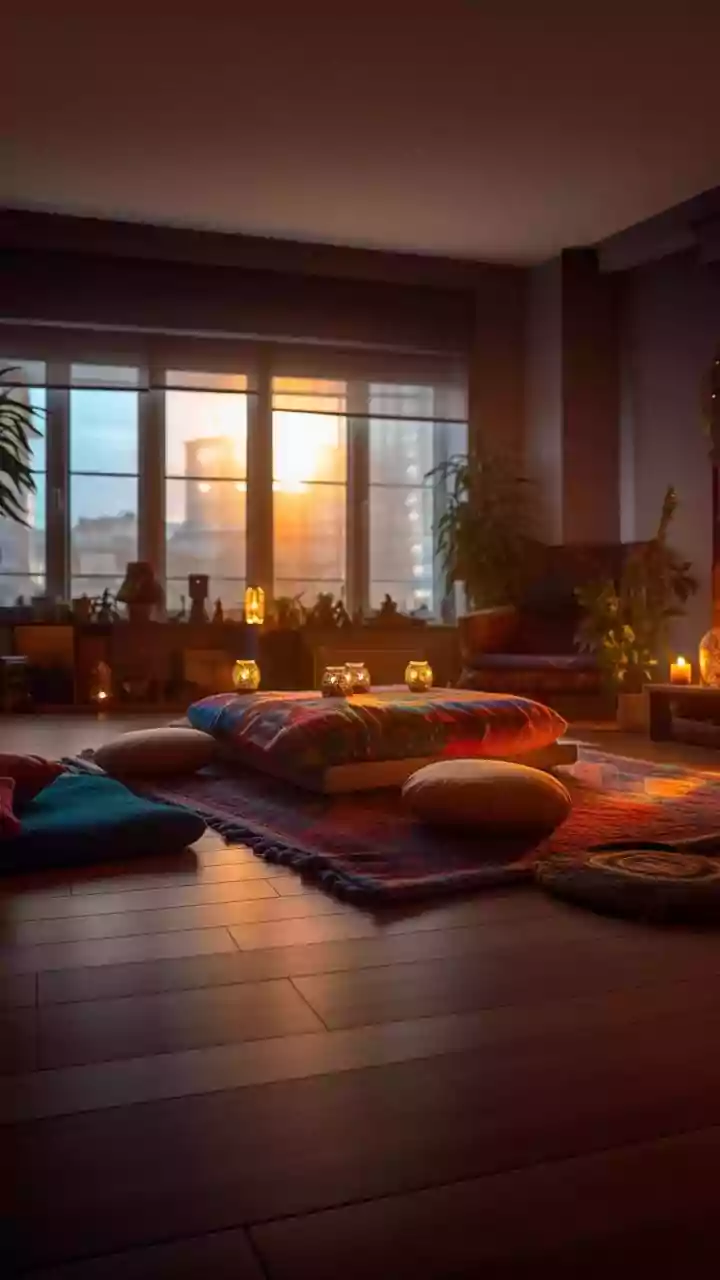
lower level, conversations feel more casual, communal, and relaxed. It breaks down the formal barriers that high-backed chairs and imposing sofas can sometimes create. Psychologically, being closer to the ground can feel more stable and calming, creating a 'nest' within your own home. This design philosophy encourages lounging, reading, and simply being present in the space, transforming a living room from a showpiece into a sanctuary.
A Global Tradition Reimagined
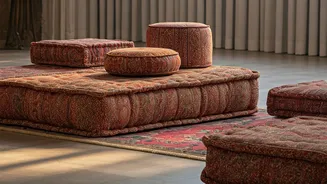
While it feels distinctly modern and bohemian, the concept of low seating is ancient and global. It echoes the Japanese tradition of 'zaisu' (legless chairs used on tatami mats) which emphasizes mindfulness and simplicity. It also brings to mind the rich, layered textiles of a Middle Eastern majlis, designed for hospitality and community. Closer to home, it’s a modern interpretation of the traditional Indian 'baithak' or 'diwan' culture, where life unfolded on floor mattresses and bolsters. Today’s trend pulls from these rich histories, blending them with a minimalist, contemporary aesthetic. It’s not about replicating a specific culture but about embracing the universal human desire for comfort, connection, and a space that feels uniquely personal.
Jute: The Perfect Foundation
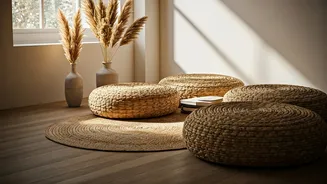
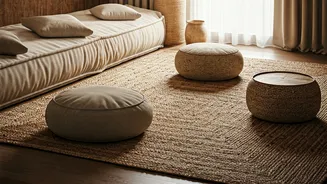
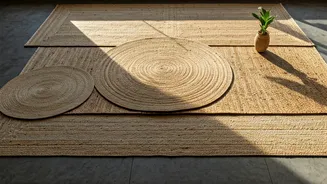
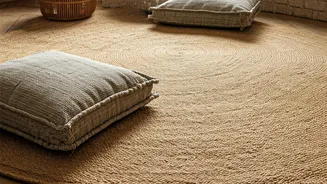
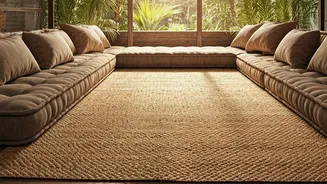
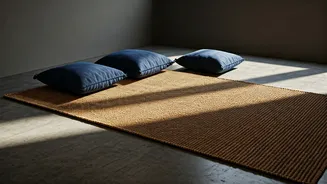
No low-seating plan is complete without the right foundation, and this is where the humble jute mat shines. Jute is the perfect partner for this aesthetic for several reasons. Firstly, its natural, earthy texture immediately sets a relaxed and organic tone. The warm, golden-brown hue complements a wide range of colour palettes, from neutral minimalist to vibrant bohemian. As a material, jute is sustainable, biodegradable, and incredibly durable, making it a conscious and practical choice for a high-traffic area like the floor. It’s also relatively affordable, allowing you to cover a large area and define your low-seating zone without a hefty investment. A large jute rug acts as the anchor, visually grounding the space and pulling all the separate elements—cushions, poufs, low tables—together into a cohesive whole.
How to Get the Look Right
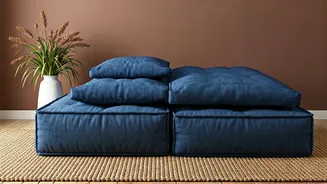
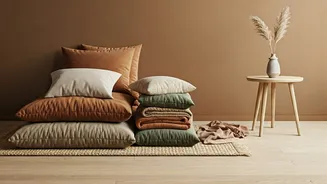
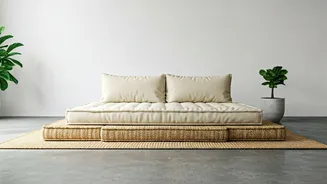
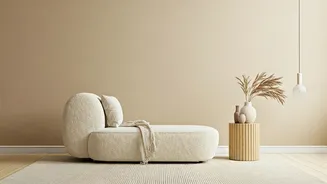
Creating a chic low-seating area is about balance. Start with a large, high-quality jute or sisal rug to define the space. The key is layering. Use a mix of large floor cushions, leather poufs, and plush bolsters in varying textures and complementary colours. A low-profile wooden platform or a sleek, low-slung sofa can serve as the main seating anchor. Incorporate low tables—think solid wood blocks, brass trays, or a cluster of small accent tables—for functionality. Add warmth with soft throws and ambient lighting from floor lamps or lanterns. The goal is to create a look that is curated but not cluttered, inviting guests to kick off their shoes and relax.
Practicality and Comfort Concerns
Before you commit fully, consider the practicalities. For households with elderly family members or individuals with mobility issues, purely floor-based seating can be challenging. A great compromise is to mix and match: combine a low-profile sofa with floor cushions and poufs. This provides options for everyone. Also, consider maintenance. Jute rugs are durable but require regular vacuuming, and cushion covers should be removable and washable. To avoid a temporary or student-like feel, invest in quality pieces. Well-made, firm cushions that hold their shape will look better and be far more comfortable in the long run than flimsy, shapeless pillows.