



The Secrets to Perfectly Creamy Kheer
Before we dive into the recipes, let's unlock the secrets to achieving that rich, creamy texture every single time. The magic of a good kheer lies in a few simple but crucial details. First, always opt for full-fat milk. [1, 9] The higher fat content
is what gives kheer its signature velvety richness, something that low-fat or skim milk just can't replicate. [1] Second, be patient and simmer on a low flame. [1, 2] This slow cooking process allows the milk to reduce and thicken naturally, concentrating its flavour and preventing it from curdling. [1] Lastly, stir frequently, especially if you're not using a heavy-bottomed pan, to prevent the milk and other ingredients from sticking and scorching. [2] Following these basic principles will elevate any kheer from good to unforgettable.
1. The Timeless Classic: Chawal ki Kheer
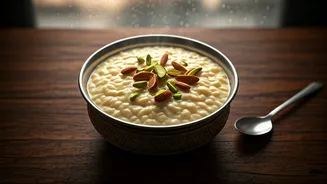
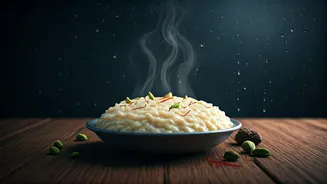
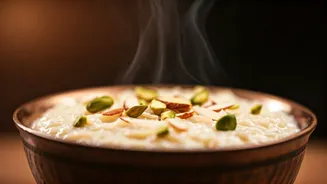
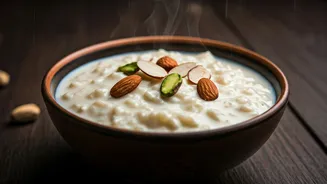
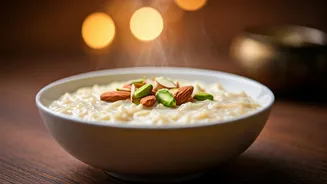
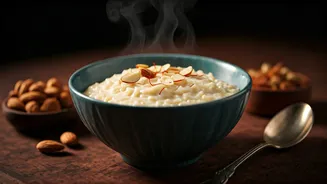
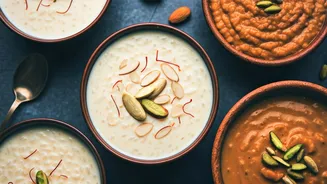
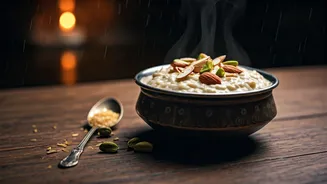
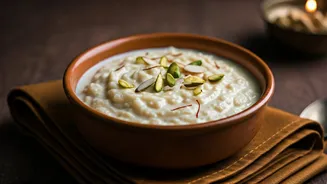
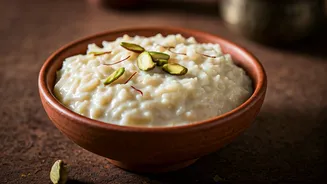
This is the kheer that memories are made of. The key to a creamy rice kheer is to use a short-grain or fragrant rice like Basmati. [1, 2] Start by washing ¼ cup of rice thoroughly and soaking it for about 20-30 minutes. [2, 9] In a heavy-bottomed pan, bring 1 litre of full-fat milk to a boil. [8, 9] Once boiling, drain the soaked rice and add it to the milk. Reduce the heat to a low simmer and cook for 25-30 minutes, stirring occasionally, until the rice is soft and the milk has thickened considerably. [8] Add 4-6 tablespoons of sugar (or to taste), a pinch of saffron soaked in warm milk, and ¼ teaspoon of cardamom powder. [2, 5] Cook for another 5-7 minutes until the sugar has dissolved completely. [2] Garnish with slivered almonds and pistachios. It can be served warm or chilled. For an even faster version, some recipes use condensed milk for sweetness and creaminess. [8, 17]
2. The Quick Comfort: Semiya Payasam (Vermicelli Kheer)
For when the craving hits and you need a sweet fix in a hurry, Semiya Payasam is the perfect answer. It's one of the easiest and quickest variations to prepare. [3] Begin by heating 1 teaspoon of ghee in a pan and roasting a handful of cashews until golden, then set them aside. [7] In the same ghee, roast ½ cup of vermicelli (semiya) until it turns a light golden brown; this step is crucial for flavour, even if you are using pre-roasted vermicelli. [3, 10] Now, pour in 4 cups of milk and bring it to a simmer, cooking until the semiya is soft and cooked through. [3] This is when you'll add ¾ cup of sugar and ¼ teaspoon of cardamom powder, stirring well until the sugar dissolves and the kheer thickens slightly. [3] Finally, turn off the heat and stir in the roasted cashews. Serve this delightful payasam hot. [3]
3. The Pearl of Desserts: Sabudana Kheer (Tapioca Pudding)
Sabudana Kheer, with its unique, pearl-like texture, is a comforting dessert often associated with fasting but is a delight anytime. To begin, rinse ½ cup of sabudana (tapioca pearls) and soak them for at least 30 minutes to a few hours—this reduces cooking time. [11, 15] It's often recommended to first cook the sabudana in water until the pearls become translucent before adding milk. [11, 16] In a pot, cook the soaked sabudana in about 1 cup of water until they are soft and transparent. [11] Then, add 2 cups of hot milk and continue to simmer on a low flame. [16] Stir continuously until the kheer thickens. Add 4-5 tablespoons of sugar and ½ teaspoon of cardamom powder, mixing well. [16] Cook for another few minutes until everything is well combined. For a richer flavour, you can add a saffron-infused milk mixture. [14] Garnish with your favourite nuts before serving warm.