





Why Rainy Weather Weakens Digestion
The connection between damp, rainy weather and an upset stomach is a well-known phenomenon. Both modern science and traditional Ayurvedic wisdom offer explanations. During the monsoon, high humidity and reduced sunlight can slow down our metabolism. According
to Ayurveda, this dampness weakens the digestive fire, or 'Agni', making the body less efficient at breaking down food. This can lead to indigestion, bloating, gas, and a general feeling of heaviness. From a scientific standpoint, the body works harder to regulate its temperature in humid conditions, diverting energy away from the digestive system. Furthermore, the moist environment is a perfect breeding ground for bacteria and other pathogens, increasing the risk of food and water contamination, which can lead to stomach infections, food poisoning, and diarrhoea.
Probiotics: Your Gut's Rainy-Day Armour
This is where fermented foods, rich in probiotics, come to the rescue. Probiotics are live, beneficial bacteria and yeasts that are crucial for a healthy digestive system. Think of them as reinforcements for your gut's natural defences. During the monsoon, when your digestion is naturally sluggish and the risk of harmful bacteria is higher, probiotics help restore the balance of good bacteria in your gut. This balanced gut microbiome aids in breaking down food, enhances nutrient absorption, and strengthens your immune system to fight off infections that are more common during this season. By promoting a healthy gut lining, these friendly microbes make your digestive system more resilient to the challenges of the season.
Embrace These Indian Probiotic Powerhouses
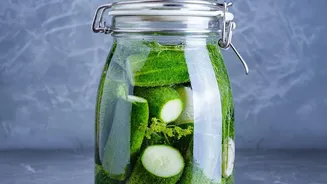
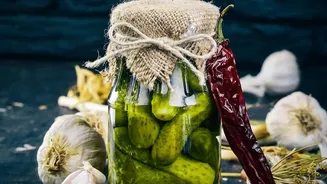
The good news is that Indian cuisine is full of delicious and easily accessible fermented foods. Incorporating them into your daily diet is a simple way to support your gut. Dahi (curd or yogurt) is perhaps the most common probiotic food in India, packed with beneficial bacteria like Lactobacillus that improve digestion and reduce bloating. The fermented batters used for South Indian staples like Idli and Dosa make them light, easy to digest, and rich in probiotics. Similarly, the Gujarati snack Dhokla is made from fermented gram flour, making it a gut-friendly choice. Traditional fermented drinks like Kanji, often made from black carrots, are excellent for cleansing the gut. Even homemade Achaar (pickles), when prepared through natural salt-brining rather than with vinegar, can be a source of good bacteria, though they should be consumed in moderation due to high salt content.
Simple Ways to Fortify Your Diet
Integrating these foods into your routine doesn't require a major lifestyle change. Start by adding a small bowl of fresh, homemade dahi to your lunch. Opt for a breakfast of idli or dosa a few times a week. Enjoy a glass of buttermilk (chaas), a refreshing probiotic drink that aids digestion, especially after meals. When you choose fermented foods, try to opt for homemade or trusted versions, as many commercial products are pasteurised, which can kill the live and active cultures that provide the health benefits. Alongside these additions, it is wise to limit heavy, oily, and street foods during the monsoon, as they put an extra strain on a weakened digestive system and carry a higher risk of contamination. Instead, focus on warm, freshly cooked meals that are easier for your body to process.