






The Rural Engine of Festive Cheer
The festive season, from Navratri to Diwali, is the backbone of India's annual consumption story, often accounting for a significant chunk of yearly sales for many industries. A large part of this demand originates from rural and semi-urban India, where
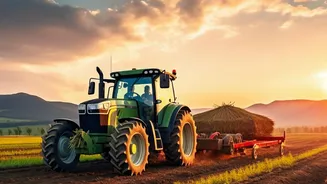
over two-thirds of the population resides. For sectors like two-wheelers, entry-level consumer goods, and fast-moving consumer goods (FMCG), the health of the rural economy is not just a metric—it's the primary driver of growth. A good harvest, fuelled by a healthy monsoon, typically translates into robust farm incomes and, subsequently, brisk sales at shop counters. This year, however, that virtuous cycle is facing significant headwinds.
A Monsoon of Uncertainty
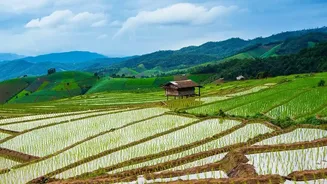
The 2026 southwest monsoon has been a source of considerable concern. According to rating agency ICRA, rainfall was the lowest since 2015, ending the season deficient. More importantly, the distribution was highly uneven. While some regions received normal rain, key agricultural belts in southern, eastern, and northeastern India faced significant deficits. This erratic pattern, including prolonged dry spells in September, has created moisture stress for crucial kharif crops like cotton, soybean, rice, and pulses during their critical growth stages. The result is a direct threat to crop yields and, by extension, the incomes of millions of farmers. This has prompted ICRA to cut its agriculture growth forecast for the fiscal year to just 1%.
Inflation's Double Squeeze
Compounding the problem of potentially lower incomes is the persistent issue of high living costs. Retail inflation has been a stubborn challenge, rising to 4.82% in August 2026. Worryingly, rural inflation has been hardening, outpacing its urban counterpart. Food inflation, a major component of rural household expenditure, is a key driver of this trend and is expected by some economists to remain elevated, possibly crossing 7% in the coming months. This double blow of suppressed income and rising expenses erodes disposable income, forcing rural families to prioritize essential spending over discretionary purchases. Real rural wages have already been under pressure, further limiting the capacity for festive splurging.
Sectors Under the Microscope
The impact of this rural stress is expected to be felt unevenly across different sectors. Discretionary spending categories are the most vulnerable. The automobile industry, particularly the entry-level two-wheeler segment, serves as a key barometer of rural sentiment. Recent data has already shown a dip in sales for 100-110cc motorcycles, indicating caution among buyers. While the overall passenger vehicle market remains optimistic, this is largely driven by urban demand and new launches. Similarly, the FMCG sector is witnessing a divergence. While recent data showed a surprising surge in rural value growth for the quarter ending September, this may be driven by price increases and a focus on smaller, more affordable product packs rather than a genuine volume boom. Companies remain cautious about discretionary FMCG products and consumer appliances.
Hopes and Headwinds
Despite the clear challenges, the festive season is not a complete write-off. Urban demand appears to be holding up, with surveys indicating a willingness to spend, especially on electronics, apparel, and travel. Some analysts also point to a rise in the number of high-ticket spenders, suggesting a K-shaped trend where the premium end of the market remains buoyant. Government support, such as the PM-KISAN scheme, provides a safety net, although some economists suggest that enhanced support may be needed to cushion the blow to farm incomes this year. However, the depleted water levels in reservoirs are a major concern, not just for the remnants of the kharif season but also for the upcoming rabi (winter) crop sowing, which could prolong the stress on the rural economy.