





Beyond Geopolitical Handshakes
The BRICS bloc, which includes Brazil, Russia, India, China, South Africa, and newer members, is often viewed through a lens of economic and political posturing. However, one of its most significant initiatives transcends earthly rivalries by looking
to the stars. The group's space agencies have been quietly building a framework for deep cooperation. This isn't about planting flags on distant planets; it's about leveraging a shared 'eye in the sky' for the collective good. India, during its BRICS chairship in 2021, was instrumental in formalizing this partnership, leading to the signing of the 'Agreement on the Cooperation on BRICS Remote Sensing Satellite Constellation'. This agreement laid the groundwork for what is essentially a space-based, multinational neighbourhood watch.
A 'Virtual Constellation' for Calamity
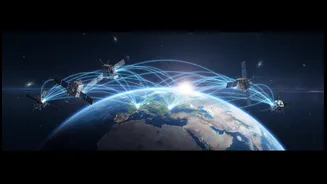
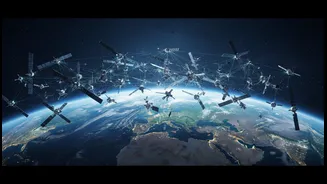
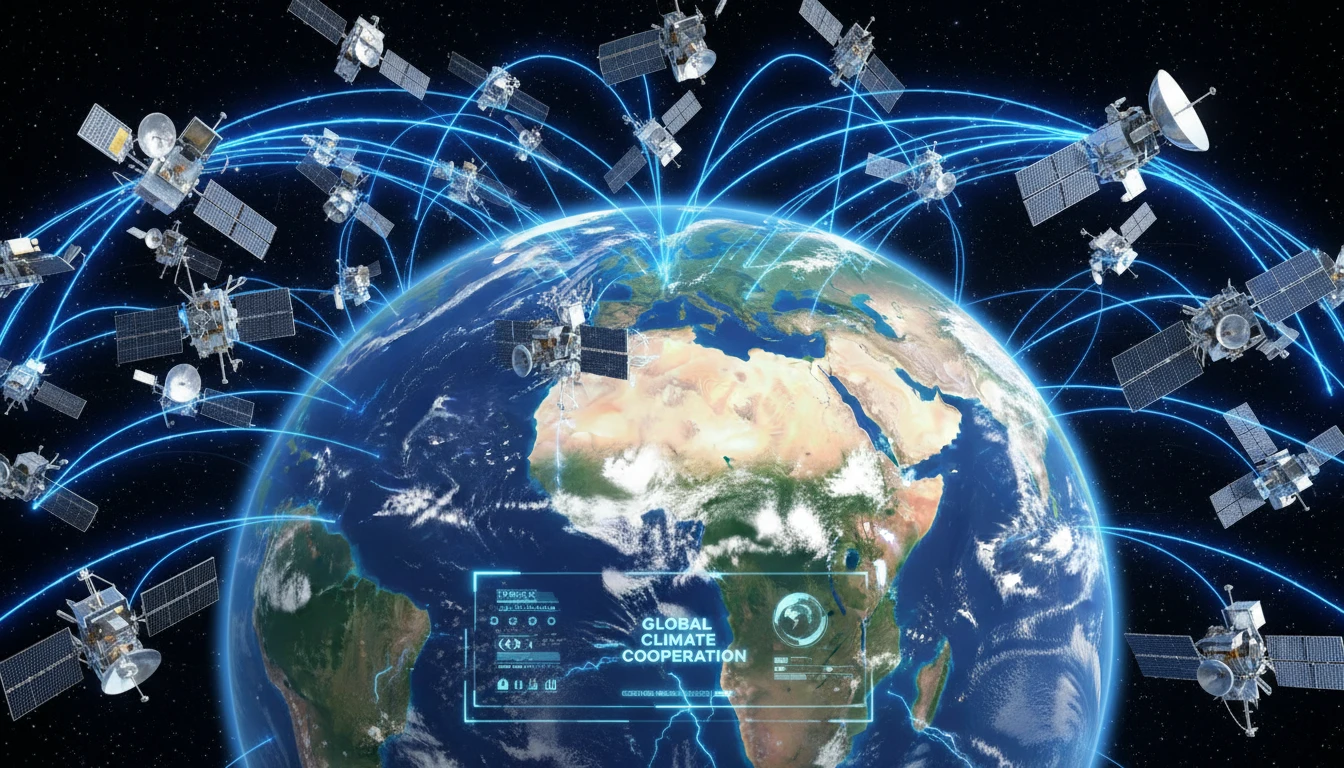
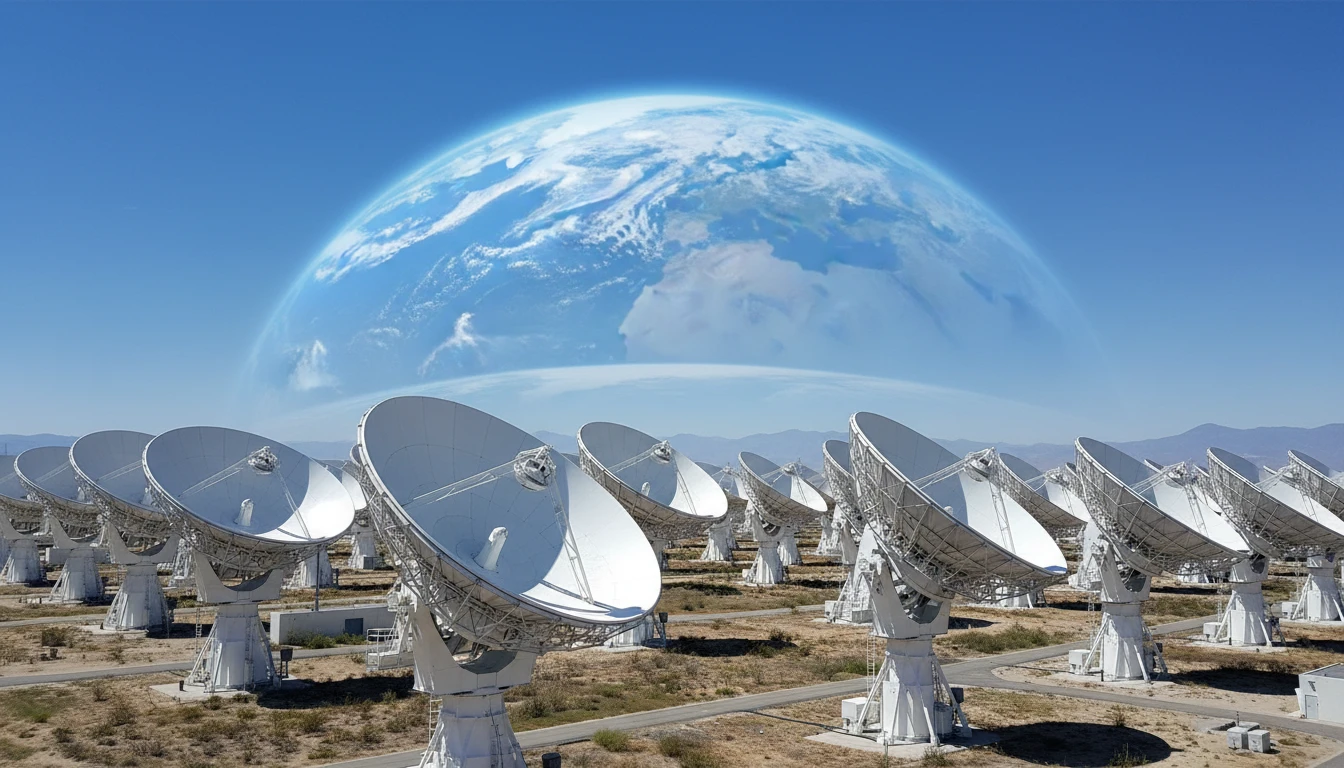
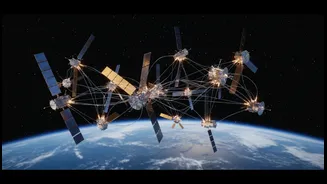
The core of the initiative is the BRICS Remote Sensing Satellite Constellation. It is a 'virtual constellation,' meaning the member nations don't have to launch new, dedicated satellites. Instead, they pool data from their existing remote-sensing satellites. This includes powerful earth observation satellites like India's Resourcesat-2 and 2A, Russia's Kanopus-V type, the CBERS-4 satellite jointly operated by Brazil and China, and China’s Gaofen-6. This clever approach creates a robust, multi-layered network without the immense cost of a new programme. Data from these satellites is then shared among ground stations in each member country, enabling a rapid flow of information. The primary goal is to aid in disaster management, but the applications also extend to monitoring climate change and protecting the environment.
How It Works in a Crisis
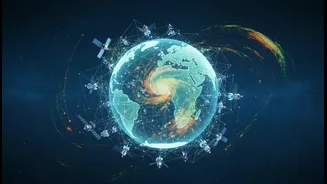
Imagine a severe cyclone forming in the Bay of Bengal. In the past, Indian disaster management agencies would rely solely on ISRO's satellites. With the BRICS constellation, they can request additional data from Chinese, Brazilian, or Russian satellites that may have a better or more timely view of the storm's development. This provides a more complete picture, allowing for more accurate predictions of the storm's path and intensity. This was demonstrated in practice when South Africa's devastating 2022 floods in KwaZulu-Natal were monitored using this cooperative framework, with Chinese satellites being tasked to provide crucial data. The system allows for near real-time monitoring, turning satellite observations into actionable information for on-ground rescue and relief teams in minutes, helping them to allocate resources, plan evacuations, and assess damage more effectively.
India's Pivotal Role and Future Ambitions
India has been a driving force behind this practical application of space technology. The agreement was signed under India's chairship, and ISRO's expertise in remote sensing is a cornerstone of the constellation. India's Resourcesat satellites are vital assets, providing high-resolution imagery crucial for resource management and disaster monitoring. Looking ahead, the cooperation is set to deepen. At a recent meeting of space agency heads in Bengaluru, BRICS nations agreed to expand the satellite constellation agreement to include new member countries. There are also advanced discussions about forming a BRICS Space Council to create a more formal governance structure for collaboration, moving from ad-hoc data sharing to a fully institutionalized partnership.
Cooperation in a Competitive World
While the collaboration is a significant step, it exists within a complex geopolitical landscape. Data sharing protocols, especially among nations with varying political systems and security concerns, require constant negotiation and trust-building. Integrating data from different satellite systems also presents technical challenges. However, the shared vulnerability to natural disasters provides a powerful incentive to overcome these hurdles. By focusing on humanitarian goals like disaster relief and climate change, the BRICS space programme offers a model for how nations can cooperate on global challenges, even amid economic and political competition. It turns space from an arena of rivalry into a platform for shared security and sustainable development for a significant portion of the world's population.