



The Master Puppeteer in Your Pocket
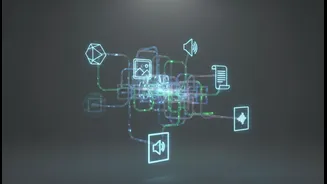
Every time you open an app like Facebook, Instagram, or YouTube, a powerful algorithm gets to work. Think of it as a behind-the-scenes director whose only goal is to keep you watching. This system is a form of artificial intelligence that learns from
your every move: what you ‘like’, how long you watch a video, what you share, and even what you pause on before scrolling past. Its main purpose is not to inform you or even to entertain you in the purest sense; it is to predict what will keep you engaged for the longest possible time. The reason is simple: the more time you spend on the platform, the more advertisements you can be shown. Social media platforms are not free; we pay for them with our attention, and algorithms are the tools designed to harvest that attention as efficiently as possible.
The High Cost of Hyper-Engagement
This relentless drive for engagement comes at a psychological cost, which is the source of the growing public unease. Algorithms have learned that content provoking strong emotional reactions—like outrage, envy, or anxiety—is highly effective at capturing our attention. This can create a distorted view of the world, making it seem more negative or divided than it really is. Furthermore, these systems create 'filter bubbles' or 'echo chambers' where we are only shown content that reinforces our existing beliefs, limiting exposure to different perspectives and potentially increasing social isolation. The constant stream of curated highlights from other people's lives can fuel social comparison, leading to feelings of inadequacy and diminished self-worth. This design, which often feels intentionally addictive through its dopamine-like reward loops, is now facing scrutiny from users and even regulators who question its impact on mental health.
The Alternative: A Return to Order
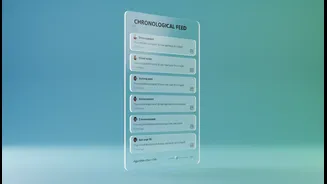
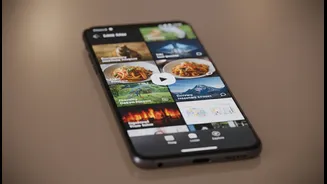
In response to this growing dissatisfaction, there is a renewed appreciation for a simpler model: the algorithm-free, or chronological, feed. This is how social media used to work in its early days. In a chronological feed, posts appear in the order they were published, with the newest content at the top. There is no secret formula deciding what you see first. There is no attempt to guess your interests or manipulate your emotions. It is a straightforward, transparent, and predictable way to consume content from the accounts you have consciously chosen to follow. The power shifts from the platform's algorithm back to the user's choices.
Reclaiming Your Digital Well-Being
Switching to a chronological feed can have immediate benefits for your digital well-being. Firstly, it gives you back a sense of control. You see posts from everyone you follow, not just the ones an algorithm deems worthy, which provides a more authentic and complete picture of your network. Secondly, it combats the feeling of endless, addictive scrolling. A chronological feed has a natural endpoint; you can actually ‘catch up’ on the latest posts and then move on with your day, which is healthier than scrolling an infinite, algorithmically generated stream. This promotes a more mindful and deliberate use of social media, turning it back into a tool for connection rather than a slot machine for your attention.
Why Chronological Isn't the Default
If chronological feeds are so much better for users, why did platforms move away from them? The answer, once again, is business. Algorithmic feeds are incredibly effective at increasing engagement, keeping users on platforms for longer, and therefore maximizing ad revenue. A feed that you can finish is a feed where you stop seeing ads. In a quiet admission of user frustration, platforms like Instagram and Facebook have reintroduced the option for a chronological feed. However, it is rarely the default setting. Users often have to actively seek it out in the app's menu, a small hurdle that ensures most people remain in the more profitable, algorithm-driven environment. This makes the choice to switch a conscious act of reclaiming your attention.