





Understanding the Seasonal Shift
In Ayurveda, the transition between two seasons is called 'Ritu Sandhi', a delicate period when our digestive fire, or 'Agni', can become unpredictable. This fluctuation makes us more susceptible to issues like bloating, gas, and general sluggishness.
Fasting during these times, such as during Navratri, is a traditional way to give the digestive system a reset. However, what you eat during your fast is crucial. The goal is to consume foods that are light, nourishing, and easy to digest, which is the core principle of a Sattvik diet.
What is a Sattvik Diet?
A Sattvik diet is one that promotes purity, clarity, and vitality. Rooted in yogic and Ayurvedic philosophy, it consists of fresh, natural, and minimally processed foods that are believed to be high in 'prana', or life force energy. During fasting, this translates to meals made from fruits, vegetables, certain flours like buckwheat (kuttu) and water chestnut (singhara), and dairy products in moderation. It avoids stimulating foods like onion and garlic, as well as heavy, processed, or stale items, keeping digestion light and the mind calm. This approach isn't just about restriction; it's about choosing foods that actively support the body’s natural harmony.
The Golden Elixir: Ghee’s Role in Digestion
Ghee, or clarified butter, is a cornerstone of Sattvik cooking and is revered in Ayurveda for its digestive benefits. Unlike other fats, ghee helps kindle the digestive fire (Agni) without aggravating Pitta (the fire element in the body). It contains butyric acid, a short-chain fatty acid that is a primary fuel source for the cells lining the intestines, helping to maintain the integrity of the gut wall. Furthermore, ghee acts as a lubricant for the digestive tract, which can soothe inflammation and promote regular elimination. By acting as a carrier for nutrients, it also helps the body better absorb fat-soluble vitamins from food.
The Power of Whole Spices
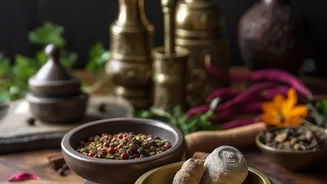
While many fasting diets can be bland, a Sattvik approach uses gentle, whole spices to enhance both flavour and digestive function. Spices like cumin, coriander, and fennel are particularly prized. Cumin is known to stimulate digestive enzymes, while coriander has a cooling effect that soothes the gut. Fennel is famously used to reduce gas and bloating. Ginger is another Sattvik staple that aids digestion and has anti-inflammatory properties. These spices work in harmony to support digestion, enhance nutrient absorption, and prevent the discomfort that can come from a compromised digestive system during seasonal shifts. A simple tea made from cumin, coriander, and fennel seeds (CCF tea) is a classic Ayurvedic remedy to keep digestion balanced.
Putting It All Together During a Fast
To prevent a seasonal digestive slump while fasting, focus on creating balanced Sattvik meals. Instead of heavy, fried options, choose lighter preparations. Think of a light sabudana khichdi tossed with peanuts and seasoned with cumin and rock salt. Enjoy dishes made with samak rice (barnyard millet), which is a gentle and filling grain alternative. A simple bowl of fruit chaat or roasted sweet potatoes provides fibre and sustained energy. Cooking these dishes in ghee and seasoning them with digestive-friendly spices like cumin, coriander, and a touch of ginger ensures your meals are not only compliant with fasting rules but are also actively working to support your gut health and keep you feeling light and energetic.