



The North-Facing Advantage
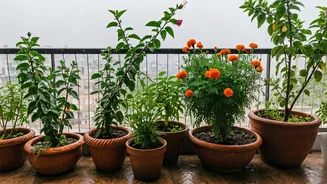
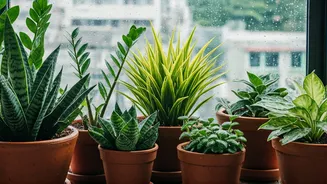
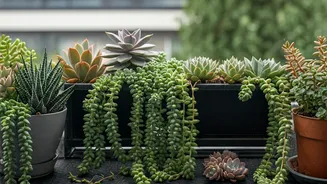
Many balconies in Indian cities face north, meaning they don't receive harsh, direct sunlight throughout the day. While this rules out sun-loving desert plants, it creates an ideal environment for succulents that prefer bright, indirect light. [2, 13]
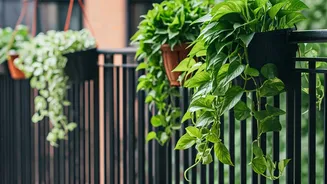
This gentler exposure prevents the scorched leaves and stress that direct sun can cause, allowing certain trailing varieties to truly thrive and create a lush, green waterfall effect. The key is to embrace this unique microclimate rather than fight it.
String of Pearls (Curio rowleyanus)
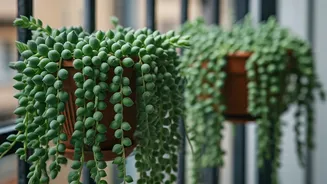
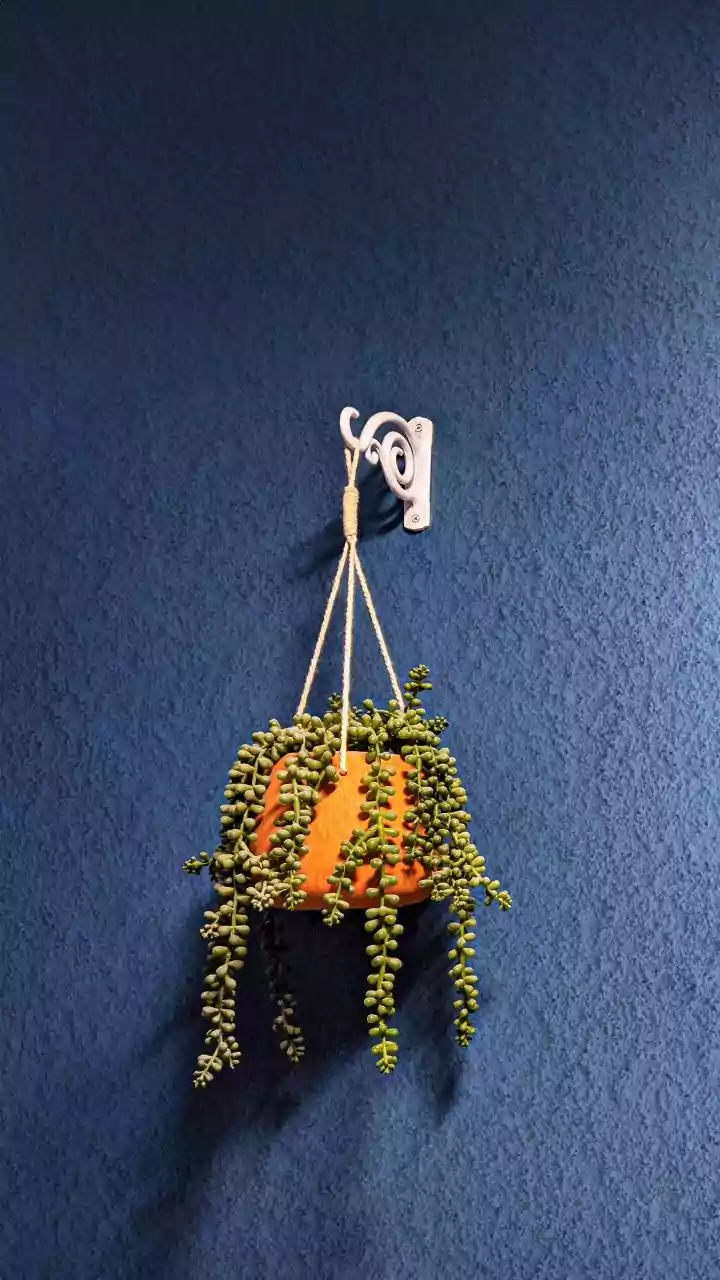
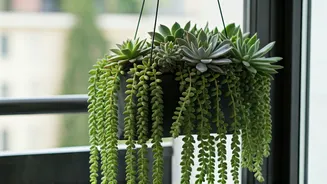
Perhaps the most iconic trailing succulent, the String of Pearls features long, delicate stems adorned with small, pea-like leaves. [13] It's a showstopper in a hanging basket. While it loves brightness, direct sun can easily burn its delicate pearls, making the consistent, indirect light of a north-facing balcony an excellent choice. [3, 15] It may grow well near a north-facing window if the light is sufficient. [3] Water thoroughly only when the soil is completely dry to the touch, as it's highly susceptible to root rot from overwatering. [14]
Burro’s Tail (Sedum morganianum)
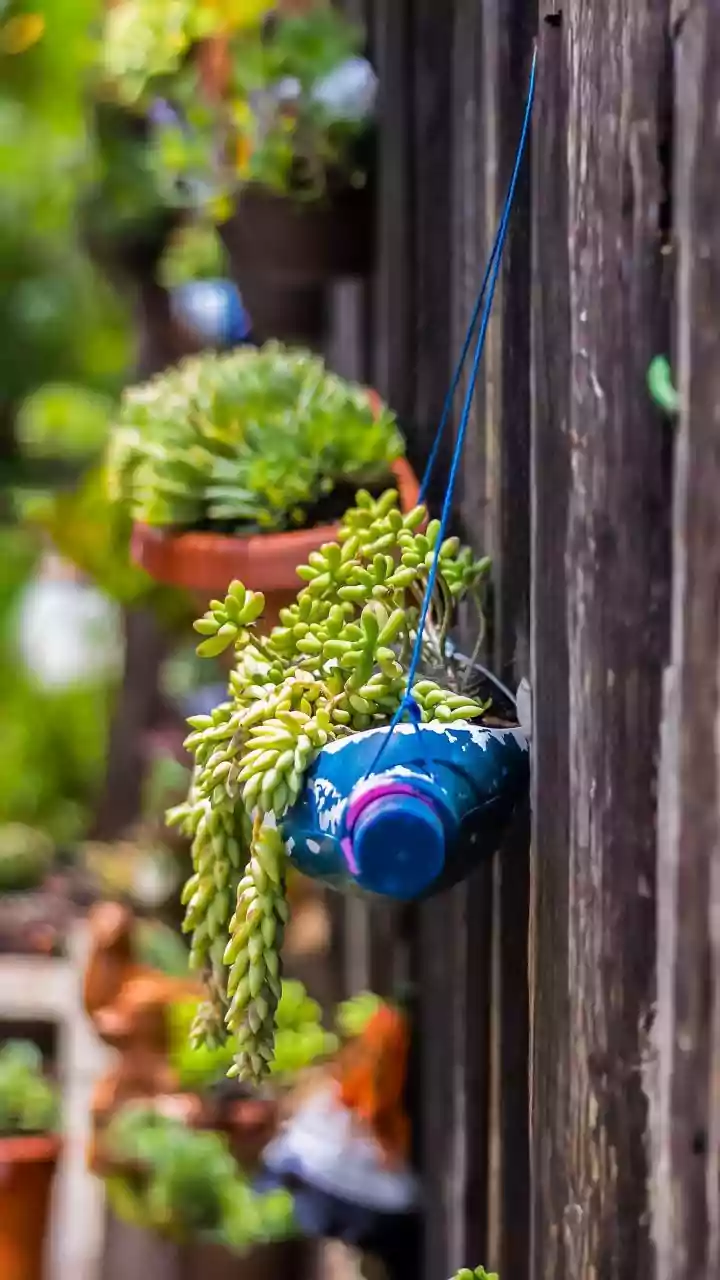
Also known as Donkey's Tail, this succulent is famous for its thick, trailing stems covered in fleshy, blue-green leaves. [13, 21] It creates a dense, braided look as it cascades down. Burro's Tail thrives in bright, indirect light but can scorch in strong afternoon sun. [6, 4] A north-facing aspect provides the perfect balance. Be warned: the leaves are notoriously fragile and can fall off with the slightest touch. [5] It's best to place it in a spot where it won't be frequently bumped. Handle with care during potting and propagate any fallen leaves. [20, 6]
Mistletoe Cactus (Rhipsalis)
Don't let the name fool you; Rhipsalis is a type of jungle cactus that is perfectly adapted to less intense light. [2] As an epiphytic plant, it naturally grows under the canopy of trees, making it a star performer on a north-facing balcony. [9, 10] With over 35 species, you can find varieties with flat, ribbon-like stems or thin, spaghetti-like tendrils. [2] They appreciate a bit more humidity than desert succulents and prefer their soil to be kept lightly moist but not waterlogged. [8, 9]
String of Nickels (Dischidia nummularia)
This charming plant gets its name from its flat, round leaves that look like coins threaded along its vining stems. [21, 22] It’s an epiphyte that excels in the bright, indirect light of a north-facing exposure, as direct sun can scorch its leaves. [21] It enjoys high humidity and a well-draining potting mix, such as one amended with orchid bark. [21] The String of Nickels is a fantastic choice for adding a unique texture and a whimsical feel to your hanging garden.
Potting and Placement for Success
The right container is crucial. Always choose hanging pots with excellent drainage holes to prevent water from pooling at the roots. [18] Terracotta pots are a great choice as they are porous and help wick away excess moisture. [17] Use a well-draining cactus or succulent potting mix. You can buy a pre-made mix or create your own by adding perlite or coarse sand to regular potting soil. When hanging your plants, ensure they receive as much ambient light as possible and have good air circulation to keep them healthy. [13]
Watering and Care Essentials
The number one rule for succulent care is to avoid overwatering. Allow the soil to dry out completely between waterings. [23] A simple finger test—sticking your finger an inch or two into the soil—is the best way to check for moisture. [3] Water less frequently during cooler months when the plants are dormant. Feed your trailing succulents with a diluted, balanced fertiliser once or twice during their active growing season in the spring and summer to encourage lush growth. [4]