




From Bland Obligation to Culinary Star
For years, dietary fibre had a serious image problem. It was the nutrient everyone knew was good for them but secretly dreaded eating. Associated with digestive health, it was seen as purely functional, not flavourful. The very mention of a 'high-fibre
diet' would conjure images of gritty powders stirred into water or joyless bowls of oats. This perception was rooted in a limited view of what high-fibre foods could be. But a delicious revolution has been quietly taking place in our kitchens and on our plates. Driven by a greater awareness of wellness, culinary creativity, and a rediscovery of traditional ingredients, fibre has officially shed its boring reputation.
The Modern Indian Fibre Revolution
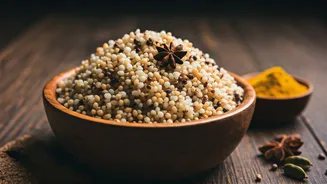
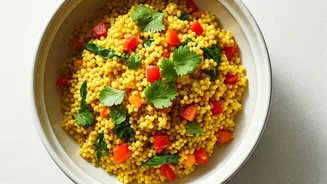
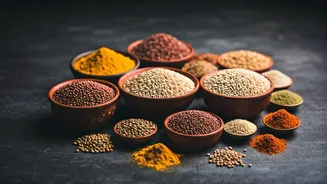
In India, this shift is particularly exciting. We are witnessing a powerful trend of embracing local 'superfoods' and ancient grains. Millets like jowar, bajra, and ragi, once considered humble fare, are now celebrated for their nutritional prowess, including their high fibre content. Chefs and home cooks are using them in innovative ways, from millet dosas and khichdi to baked goods. This trend is not just about health; it's about connecting with our roots and appreciating the wealth of nutrition our own land provides. The rise of plant-based diets and a greater interest in gut health have further propelled fibre into the spotlight, making it a cornerstone of modern Indian wellness.
Upgrade Your Grains and Lentils
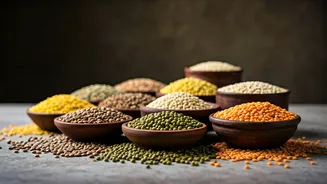
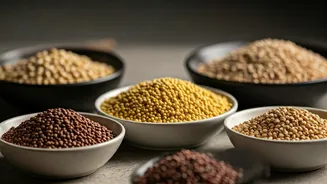
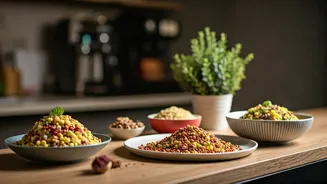
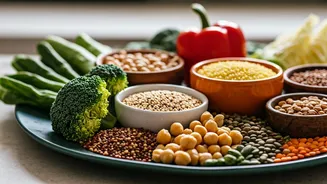
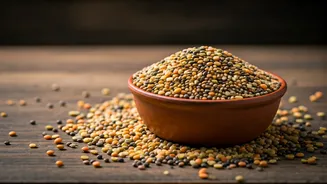
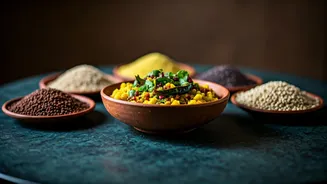
The easiest way to make your fibre intake more interesting is to move beyond basic whole wheat roti and white rice. Indian cuisine is naturally rich in high-fibre grains and legumes. Explore the variety: incorporate brown rice into your meals, or try cooking with quinoa, which is technically a seed but cooks like a grain. Lentils and legumes are fibre powerhouses. A cup of cooked lentils or kidney beans (rajma) packs a significant fibre punch. Think beyond the traditional dal. Use lentils in salads, soups, and even burger patties for a creative twist. Chickpea (chana) sundal or a vibrant moong dal chilla stuffed with veggies are both flavourful and fibrous choices.
Rethink Your Vegetables and Salads
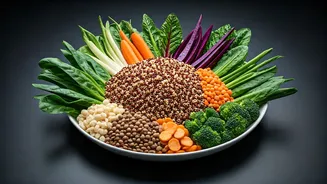
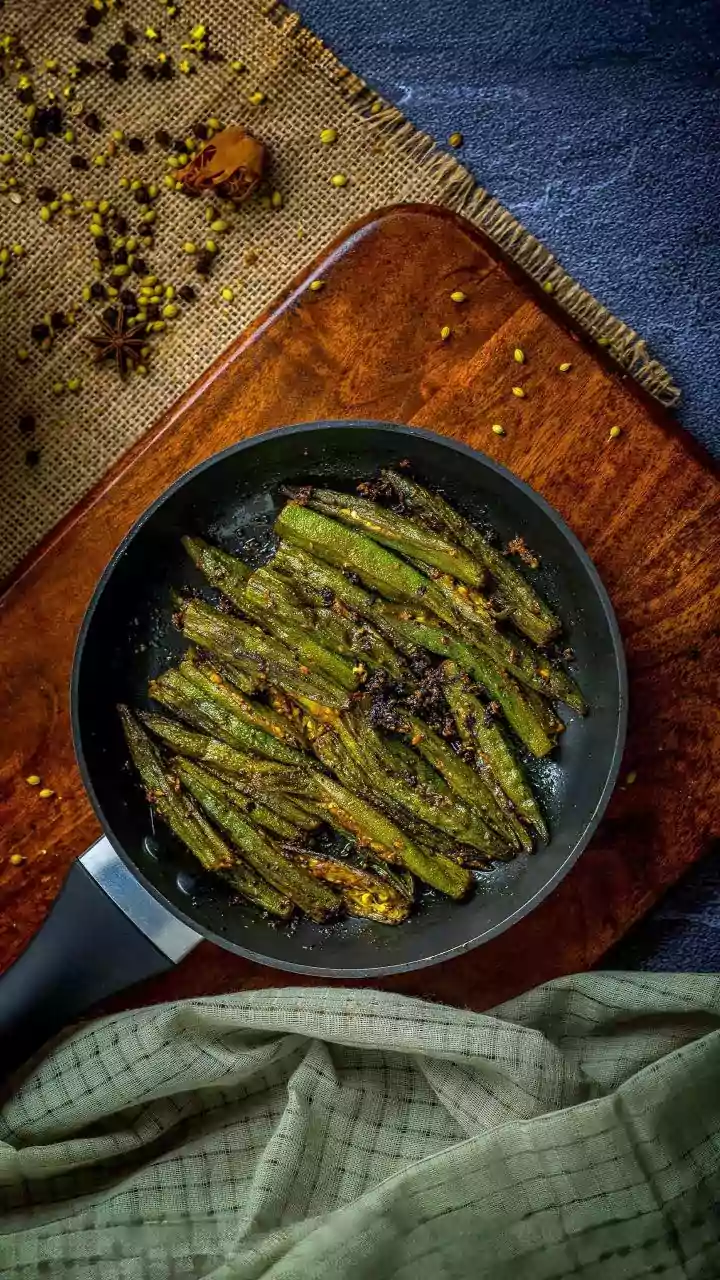
Vegetables are a fantastic source of fibre, but they don't have to be steamed into submission. Roasting vegetables like sweet potatoes, cauliflower, and carrots brings out their natural sweetness and makes them far more appealing. Salads are no longer just a side dish of sliced cucumbers and tomatoes. Build a hearty, meal-worthy salad with a base of leafy greens like spinach, add roasted vegetables, a source of protein like chickpeas or grilled paneer, and a handful of nuts and seeds for crunch and extra fibre. A simple vinaigrette is all you need to tie it all together into a satisfying meal. The pandemic, in particular, boosted interest in salads as a complete meal, with a focus on nutritional value.
Snack Smart and Sweetly
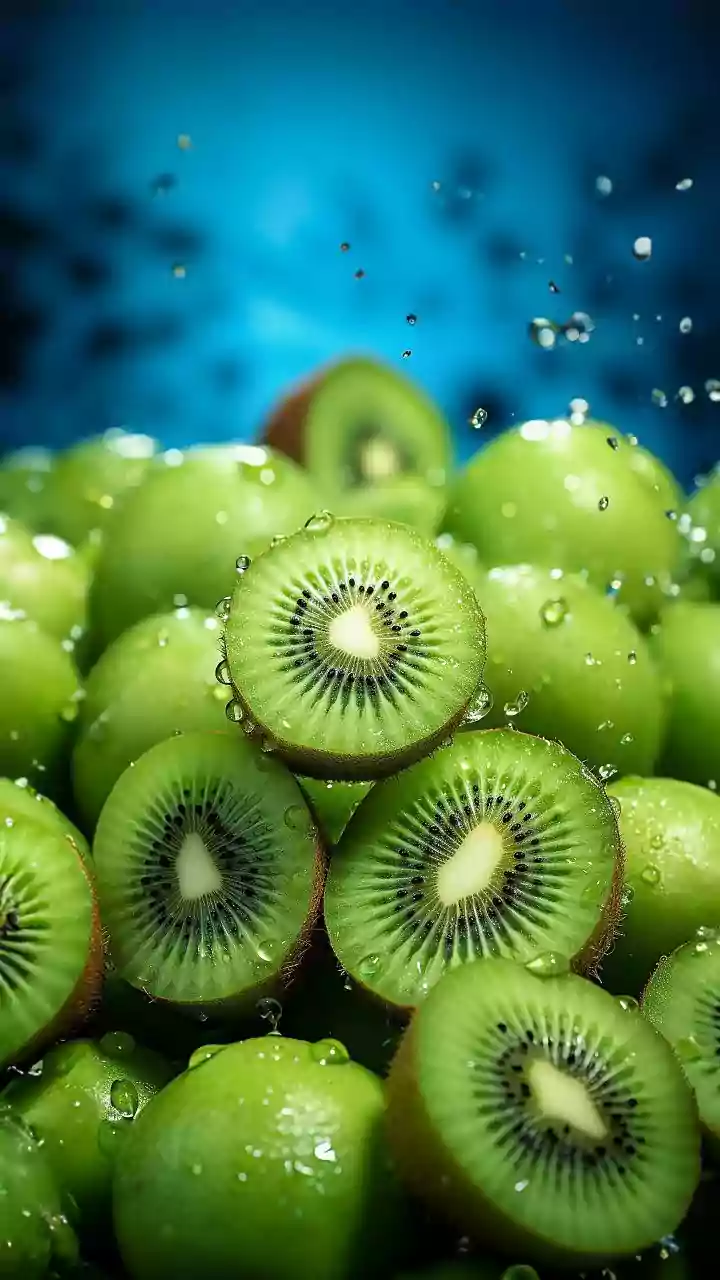
Snacking is often where healthy intentions fall apart, but it can be a great opportunity to boost your fibre intake. Instead of reaching for packaged chips, consider a small handful of almonds or walnuts. Fruits like guava, apples (with the skin on), and bananas are excellent high-fibre snacks. Even desserts can contribute to your fibre goals. A fruit smoothie with berries and a spoonful of chia or flax seeds is a delicious and fibrous treat. You can experiment with baking by adding oat bran to muffins or making black bean brownies—a surprisingly fudgy and fibrous indulgence that doesn't compromise on taste.