







From Spontaneity to Strategy
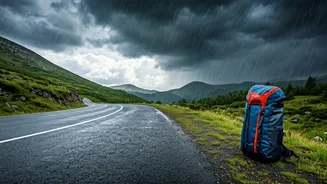
Gone are the days when a monsoon trip meant blindly driving to the nearest hill station and hoping for the best. The modern Indian traveller has evolved. Recent travel data shows a significant uptick in bookings for monsoon travel, but with a clear shift
in behaviour. Instead of viewing rain as a potential trip-ruiner, it's now seen as an atmospheric feature to be planned around. This new mindset is less about avoiding the downpour and more about embracing it intelligently. It involves meticulous research, a focus on specific experiences over mere sightseeing, and a willingness to leverage technology to make informed decisions. The goal is no longer just to escape the city, but to have a seamless, comfortable, and enriching experience, regardless of the weather.
Technology Is the New Travel Guide
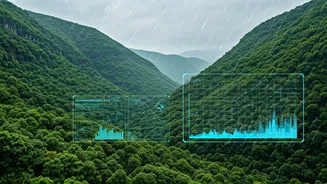
The single biggest driver of this 'smarter' travel trend is the smartphone in everyone’s pocket. Travellers are now armed with sophisticated tools that were once the domain of meteorologists. Hyper-local weather apps that provide minute-by-minute rain forecasts allow for planning activities in dry spells. Real-time traffic updates on Google Maps and other platforms help navigate around landslides or waterlogged roads, which are common hazards. Social media, particularly Instagram and travel vlogs, plays a huge role in scouting locations. Travellers check recent geotagged posts to gauge current conditions, see how crowded a place is, and discover hidden cafes or viewpoints that are perfect for a rainy day. This digital-first approach minimises unpleasant surprises and maximises enjoyment.
The Rise of the 'Micro-Cation'
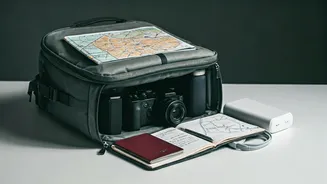
Instead of planning one long, ambitious holiday, travellers are increasingly opting for shorter, more frequent trips or 'micro-cations'. A long weekend is now enough for a refreshing monsoon break. This trend is fuelled by the understanding that short-term weather forecasts are far more reliable. It's easier to plan a three-day trip around a favourable weather window than a ten-day one. This has also led to a boom in destinations that are a few hours' drive from major cities. These quick getaways are less of a logistical nightmare, require less packing, and offer a high return on investment in terms of relaxation and rejuvenation, making them a perfect fit for the smart and busy traveller.
Booking with Flexibility in Mind
Perhaps the most 'adult' and strategic shift is the obsession with flexibility. In the past, travellers might have chased the cheapest, non-refundable deals. Today, the savvy planner understands that paying a small premium for a flexible booking is a form of insurance. They actively seek out hotels, resorts, and even airlines that offer free cancellation or easy rescheduling. This provides a crucial safety net. If a weather warning is issued or a road is blocked, they can postpone or cancel without financial loss. This simple change in booking habits has fundamentally de-risked monsoon travel, turning a potential disaster into a minor inconvenience.
It's About the Indoors, Too
Smart planning extends to the choice of accommodation. Travellers are realising that on a monsoon trip, you might spend more time indoors than you expect. Consequently, the hotel or homestay is no longer just a place to sleep; it's a core part of the experience. People are looking for properties with excellent amenities that are enjoyable even in a downpour. Think cozy rooms with large windows overlooking a misty valley, an in-house spa, a well-stocked library, a heated indoor pool, or a restaurant that serves comforting local delicacies. The destination is as much about the stay as it is about the location, ensuring that even a day spent entirely indoors feels like a luxurious treat rather than a washout.