


The Soul of the Feast: Bhoger Khichuri
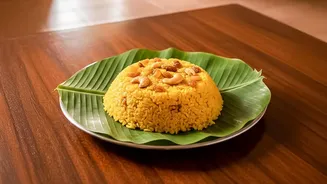
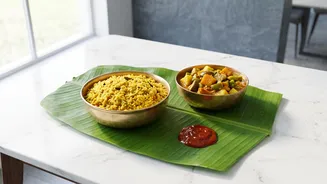
At the centre of every bhog platter is the Bhoger Khichuri, a dish that transcends mere sustenance to become a spiritual experience. Unlike everyday khichdi, this version is strictly 'niramish' (vegetarian) and made without onions or garlic. Its unique,
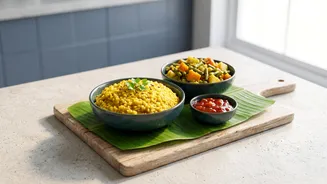
soul-warming flavour comes from roasting moong dal until nutty and aromatic before cooking it with fragrant Gobindobhog rice. The tempering, or 'phoron', is crucial, involving ghee, bay leaves, cinnamon, cloves, and cumin seeds that release their aroma into the pot. Vegetables like cauliflower and green peas are often added, making it a wholesome one-pot meal that tastes of pure devotion.
The Perfect Partner: Labra
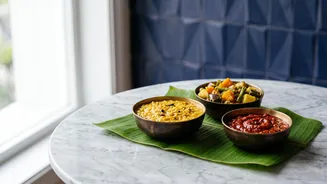
No khichuri is complete without its faithful companion, labra. This seemingly simple mixed vegetable dish is a masterclass in balance and flavour. Labra is a medley of seasonal vegetables, often including potatoes, pumpkin, brinjal, cauliflower, and radish, all chopped and cooked together. The magic lies in the 'panch phoron', a quintessential Bengali five-spice blend of mustard, fennel, cumin, nigella, and fenugreek seeds, which gives the dish its distinctive taste. The vegetables are slow-cooked in mustard oil with ginger paste until they meld into a harmonious, semi-dry curry that is both comforting and complex. Each spoonful offers a different texture, from the softness of the pumpkin to the slight crunch of the beans.
A Sweet and Tangy Finale: Puja Chutney
To cut through the richness of the khichuri and labra, a sweet and tangy chutney is essential. The most common choice for a puja bhog is a tomato chutney, often elevated with the addition of dates (khejur) and sometimes mango leather (aamsotto). This chutney is not just a condiment; it acts as a palate cleanser before the dessert course. It's made by slowly cooking down ripe tomatoes with sugar or jaggery until they become soft and jam-like. A tempering of panch phoron and a dry red chilli in mustard oil adds a final layer of authentic Bengali flavour, creating a perfect balance of sweet, sour, and a hint of spice.
Bringing the Bhog Experience Home
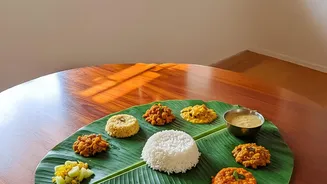
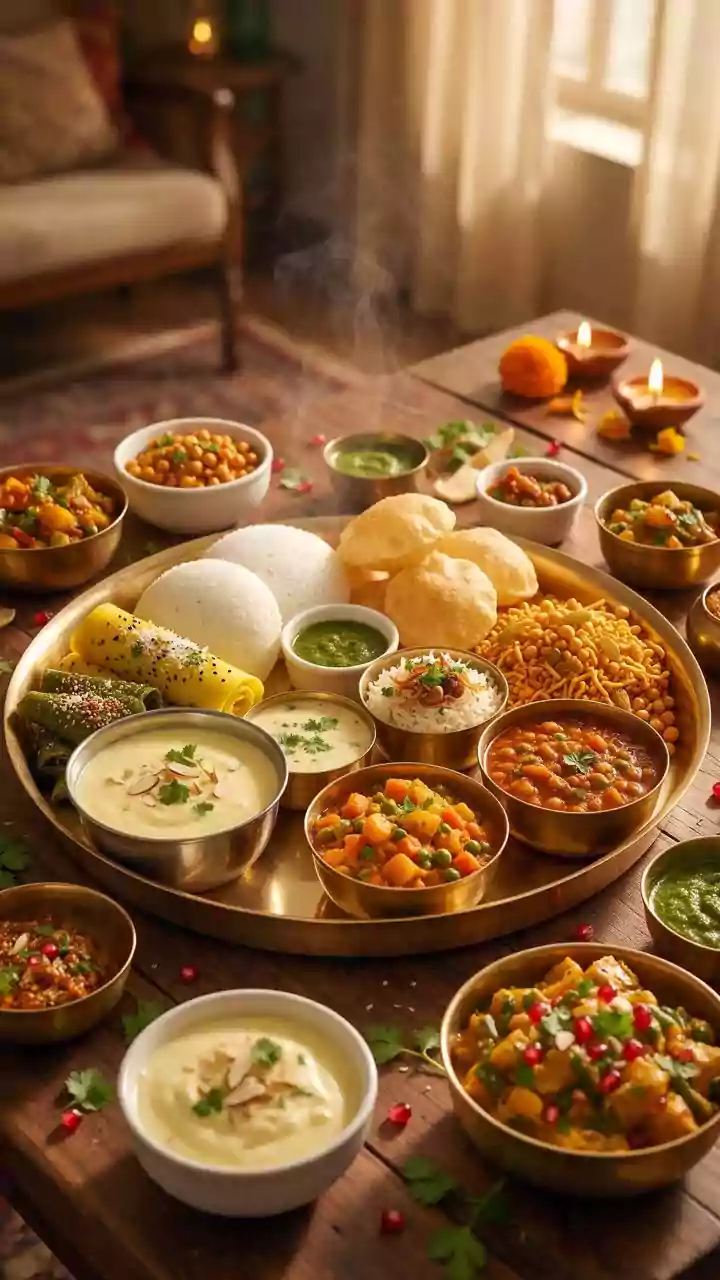
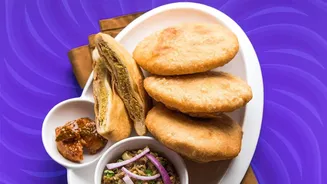
Recreating the bhog experience at home is about more than just the recipes; it’s about the spirit of the occasion. The food is traditionally considered prasad—an offering to the Goddess before it's shared. To complete the platter, you can add accompaniments like 'bhaja' (fritters), especially 'beguni' (brinjal fritters), and a simple 'payesh' (rice kheer) for dessert. Serving the meal on traditional plates, even if it's just for your family, can help capture the community feeling of the pandal. Cooking these dishes with care and intention is a way to connect with the traditions of the festival, filling your home with the same warmth and blessings found in community celebrations.