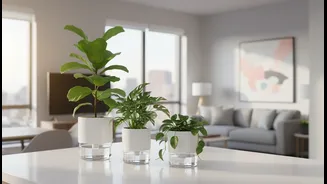



The Urban Gardener's Dilemma
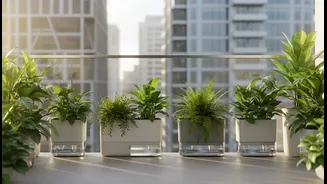
Living in a city often means limited space—a small balcony, a sunny windowsill, or a corner of the living room is the modern-day garden. For busy professionals, the desire for greenery is strong, but time is scarce. Traditional planters demand a consistent
watering schedule, which is difficult to maintain amid long work hours, travel, and the general chaos of urban life. This often leads to a cycle of plant enthusiasm followed by the disappointment of wilted leaves and dry soil. The number one reason for plant failure is improper watering, a problem magnified by the inconsistent routines of city workers. The result is a common feeling of frustration and the belief that one simply doesn't have a 'green thumb'.
How Self-Watering Containers Work
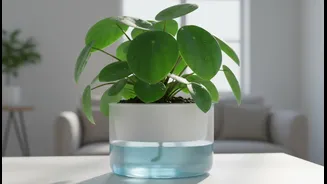
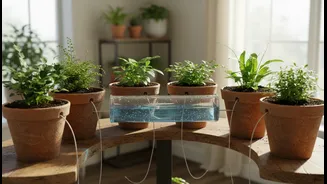
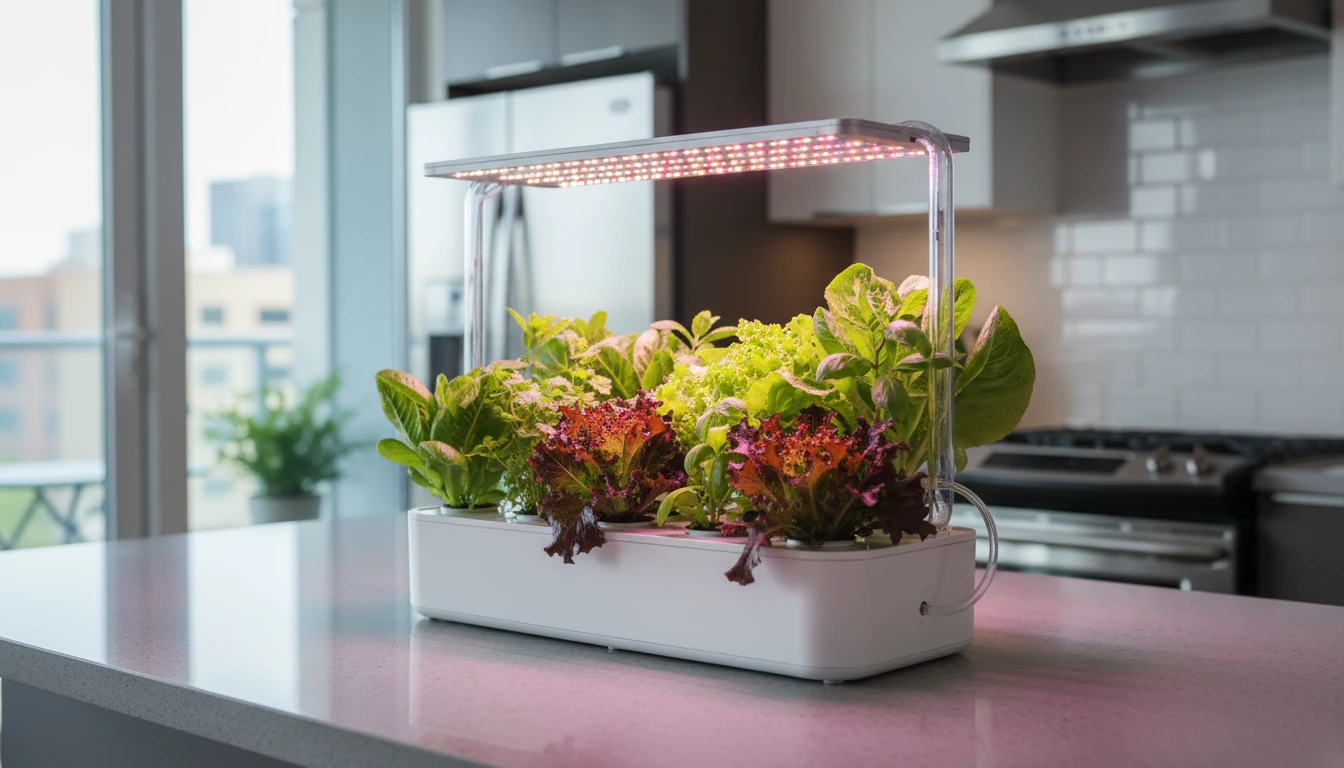
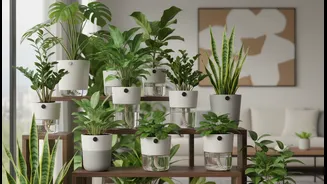
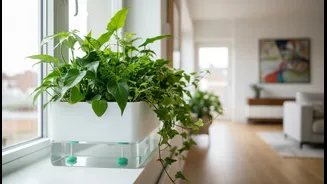
Enter the automated self-watering capillary container, a game-changer for time-poor plant lovers. These planters are not 'smart' in a high-tech sense but are based on a simple, brilliant principle: capillary action. Each container has a built-in water reservoir at the bottom, separate from the soil. A wicking system, either a piece of absorbent rope or a column of potting mix, connects the water to the soil. Much like a paper towel absorbing a spill, the wick draws water upward against gravity as the soil begins to dry. This allows the plant to take exactly the amount of water it needs, when it needs it, creating a self-regulating system that ensures consistent hydration without the risk of waterlogged roots.
The Freedom of Forgetting
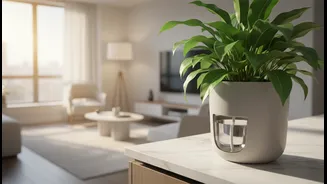
The most significant advantage for a busy worker is the freedom from daily watering. A self-watering planter's reservoir can hold enough water to sustain a plant for a week or even longer, depending on the plant's size, type, and environmental conditions. This means no more asking a neighbour for help before a weekend trip or returning from a long day at the office to find your beloved basil plant drooping dramatically. This convenience transforms plant ownership from a demanding chore into a low-stress hobby, making it far more accessible for those with demanding careers.
Healthier Plants, Less Guesswork
Inconsistent watering is a primary source of plant stress, leading to issues like root rot from overwatering or stunted growth from underwatering. Self-watering containers eliminate this guesswork by providing a steady, reliable source of moisture directly to the roots. This encourages deeper, stronger root systems as they grow downward toward the water source. Healthier roots lead to more vibrant foliage, more flowers, and higher yields for edible plants like herbs and tomatoes. Furthermore, nutrients added to the soil are less likely to be washed away, as the closed system retains them within the planter, making fertiliser applications more efficient.
More Than Just Convenience
Beyond saving time, these containers offer other benefits perfectly suited to an urban environment. They are incredibly water-efficient, losing less moisture to evaporation compared to top-watering traditional pots. This is an important consideration for environmentally conscious city dwellers. The drier surface soil can also help reduce the likelihood of common pests like fungus gnats, which are attracted to damp topsoil. While the initial cost may be slightly higher than a basic pot, the long-term savings on water, fertiliser, and replacement plants often make it a worthwhile investment.