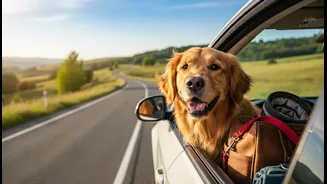








Making the Car a Comfort Zone
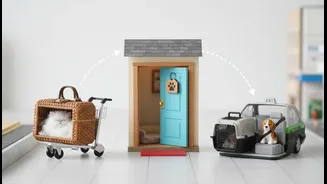
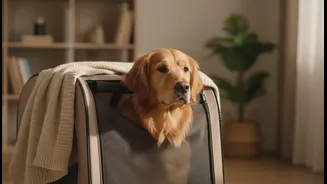
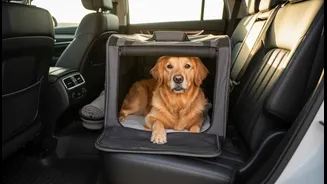
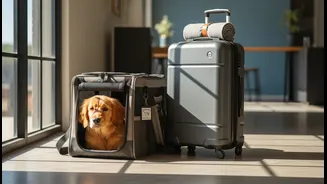
Your pet’s comfort is paramount for a smooth journey. The goal is to make the car a safe, familiar space, not a source of stress. For dogs and cats, using a well-ventilated carrier or crate they are already accustomed to is the safest option. This prevents
them from moving around the vehicle and becoming a distraction, and it also provides them with a secure den. To make it feel more like home, line the carrier with their favourite blanket or a piece of clothing that smells like you. Bringing along a familiar chew toy can also provide a great distraction and reduce anxiety. If your pet isn’t used to car journeys, start with short, positive trips in the weeks leading up to your departure to build their tolerance and create a positive association with the car.
Hydration and Feeding on the Go
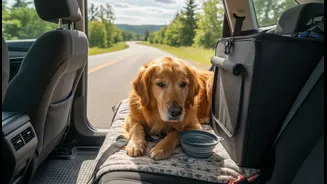
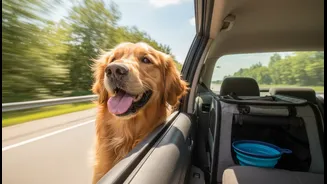
Proper hydration and nutrition are critical, especially on long drives. Dehydration can happen quickly, so always have fresh water accessible. Pack a portable, collapsible water bowl and offer your pet drinks at every stop. Some travel-specific water bottles are designed to be spill-proof, making it easy to provide a drink without a big mess. When it comes to food, it's best to feed your pet a light meal a few hours before you leave, as a full stomach can contribute to motion sickness. Stick to their regular food to avoid stomach upsets, and pack enough for the entire trip, plus a few extra days' worth just in case. Plan for frequent stops every two to three hours. This gives your pet a chance to stretch, relieve themselves, and have a drink.
Safety First, Always
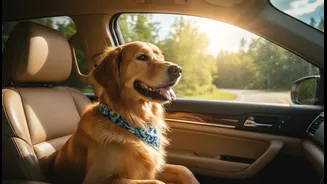
While comfort is important, safety is non-negotiable. An unrestrained pet is a significant risk in an accident and a potential distraction to the driver. A secure crate is often the best option, but harness seat belts are another alternative for dogs. Never let your pet ride in the front seat, as a deploying airbag can cause serious injury. It is also crucial to never leave your pet unattended in the car, even for a few minutes. On a warm day, the temperature inside a vehicle can rise to dangerous levels in a very short time, leading to heatstroke. Similarly, cars can become dangerously cold in winter. Always ensure your pet has an updated ID tag with your current phone number, and consider a microchip for added security in case they get lost in an unfamiliar place.
Preparing for the Unexpected
Even with the best planning, emergencies can happen. Before you leave, assemble a pet-specific first-aid kit. This should include basics like gauze, non-stick bandages, antiseptic wipes, and tweezers, as well as any specific medications your pet needs. It's also wise to include a copy of your pet's vaccination records and medical history. One of the most crucial steps is to research emergency veterinary clinics along your route and at your destination before you leave home. Having their numbers and addresses saved on your phone can save precious time in a crisis. The Animal Poison Control Center's number is another essential contact to have on hand.