







A Gut Feeling for Health
The primary driver behind this trend is a massive shift toward wellness and gut health. After years of prioritising convenience, many urban Indians are now actively seeking out foods and drinks that offer functional benefits. The gut microbiome, a complex
community of bacteria in our digestive system, has become a hot topic. Scientific research has linked a healthy gut to everything from better digestion and stronger immunity to improved mental health. Fermented drinks, which are rich in beneficial bacteria known as probiotics, are seen as a natural and effective way to support this internal ecosystem. This growing awareness, amplified by social media and a post-pandemic focus on immunity, has created the perfect environment for drinks like kombucha and kanji to thrive.
Kombucha: The Global Wellness Icon
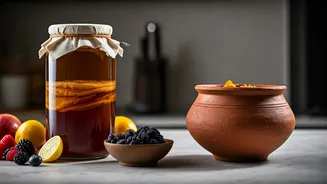
Kombucha, a fizzy, tangy drink made by fermenting sweetened tea with a Symbiotic Culture of Bacteria and Yeast (SCOBY), has become a global wellness superstar. Its popularity in India has surged as a healthy alternative to sugary sodas and artificial juices. Initially a niche product found in health food stores in metros like Mumbai and Bangalore, kombucha is now a mainstream phenomenon. A host of homegrown artisanal brands have emerged, offering a wide array of flavours from lavender and hibiscus to more localised tastes like Naga pepper. For many, brewing kombucha at home has also become a popular hobby. It offers a sense of control over ingredients, cuts costs, and provides a creative outlet for experimenting with flavours.
Kanji: The Desi Probiotic Powerhouse
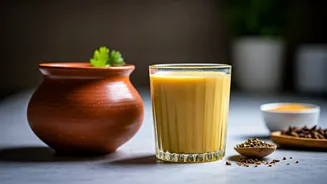
While kombucha represents a global trend, the renewed interest in kanji signifies a cultural rediscovery. Kanji is a traditional North Indian fermented beverage, most famously made with black carrots, mustard seeds, and water, which is left to ferment in the sun. For generations, it has been a seasonal staple, especially during winter and the festival of Holi, celebrated for its digestive benefits. Unlike kombucha, kanji’s fermentation is spontaneous, relying on the natural bacteria present on the vegetables. Rich in probiotics like Lactobacillus, it's a powerhouse for improving digestion, boosting immunity, and detoxifying the body. Many now see kanji not just as a nostalgic drink but as an indigenous superfood, perfectly suited to the Indian palate and microbiome.
The DIY Culture and a Return to Roots
The rise of home brewing is about more than just health; it's also about a desire for authenticity and self-reliance. The process of making kombucha or kanji at home is empowering. It allows people to connect with their food in a more meaningful way, understanding exactly what goes into it without concerns about preservatives or hidden sugars. This DIY culture taps into a deeper trend of valuing traditional knowledge and practices. In a world of fast-paced, processed food, the slow, mindful act of fermentation feels like a grounding ritual. It’s a way of reclaiming the kitchen as a space of creation and wellness, blending modern scientific understanding of probiotics with the time-tested wisdom of our grandparents.