







The Magic of Rainwater
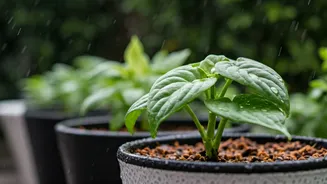
Not all water is created equal. While tap water keeps your plants alive, rainwater makes them thrive. Rain is naturally soft, slightly acidic, and free from the chlorine and salts often found in municipal water. This slight acidity helps plants absorb
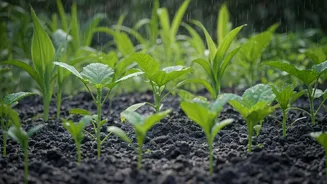
micronutrients from the soil more efficiently. Furthermore, rainwater captures nitrogen from the atmosphere and delivers it directly to the roots—a free dose of natural fertiliser that fuels leafy green growth. This is why you often see plants looking extra vibrant and green after a good shower; it’s not just the water, it’s the quality of the water.
Prepare Your Soil for the Downpour
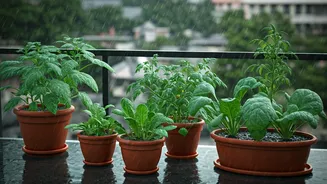
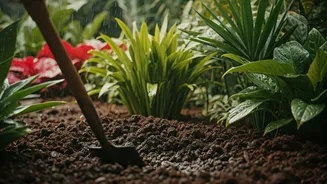
While the rain is a blessing, too much of a good thing can be a problem. The biggest risk during the monsoon is waterlogging, which can suffocate roots and lead to rot. The key to prevention is excellent drainage. Before the season kicks into full gear, take the time to prepare your pots and garden beds. Amend your soil by mixing in materials like cocopeat, sand, or perlite. This improves aeration and allows excess water to drain away freely. For potted plants, ensure the drainage holes are clear of any blockages. Elevating pots on small bricks or pot stands is another simple trick to prevent them from sitting in puddles.
Choose Your Monsoon Champions
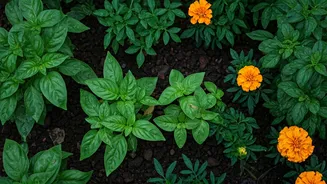
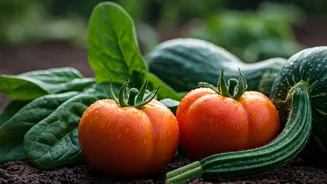
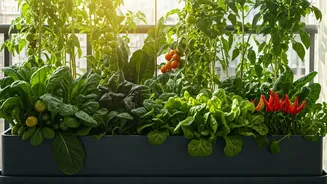
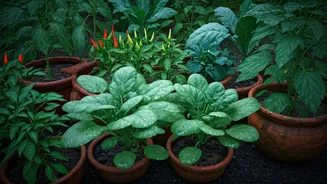
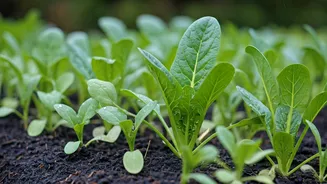
Some plants absolutely adore the high humidity and consistent moisture of the rainy season. This is the perfect time to plant a variety of vegetables and flowers that flourish in these conditions. For your vegetable patch, consider planting bhindi (okra), gourds (lauki, turai), beans, cucumbers, and leafy greens like spinach. When it comes to flowers, monsoon is the prime season for hibiscus, jasmine (mogra), marigolds, balsams, and zinnias, which will reward you with a burst of colour. It’s also an excellent time for herbs like mint, basil, and lemongrass that love moisture.
Prune for Power and Propagation
The monsoon signals a period of vigorous growth, making it the ideal time for pruning. Trimming back overgrown shrubs, trees, and perennial plants encourages them to push out fresh, dense foliage. Remove any dead, weak, or diseased branches to improve air circulation, which is crucial for preventing fungal infections in the damp weather. Don’t let those cuttings go to waste! The high humidity creates a perfect natural greenhouse, making it incredibly easy to propagate new plants. Simply dip the cut ends of stems from plants like coleus, money plant, or hibiscus in a rooting hormone (or just place them in water) and watch them develop roots in no time.
Stay Vigilant Against Pests
Unfortunately, the damp, warm weather that your plants love is also a paradise for pests and fungal diseases. Slugs, snails, and various insects multiply rapidly during the monsoon. Regularly inspect the undersides of leaves for signs of infestation. To keep them at bay without resorting to harsh chemicals, use a simple, organic solution. A spray made from neem oil, liquid soap, and water is highly effective against most common garden pests. For fungal issues like powdery mildew, ensure your plants have enough space for air to circulate and consider a preventive spray of a mild fungicide if needed.
Rethink Your Watering and Fertilising
It might seem obvious, but you need to adjust your watering schedule. On days with heavy rain, your plants won’t need any extra water. However, don't assume the rain is always enough. On dry days between showers, check the soil; if the top inch is dry, it’s time to water. Heavy rains can also wash away essential nutrients from the soil, a process called leaching. Avoid applying fast-acting chemical fertilisers that will just get washed away. Instead, opt for slow-release organic fertilisers like compost or vermicompost. Apply them at the beginning of the season to provide a steady supply of nutrients for your plants to draw from.