




The Science of Green Cooling
Plants are nature's own cooling systems, and they work in two primary ways. The first is by providing shade, which physically blocks the sun's rays from hitting surfaces like walls and floors, preventing them from heating up. The second, more dynamic
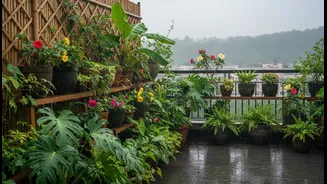
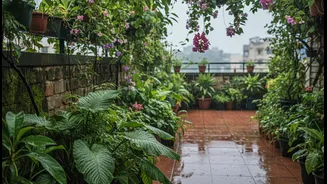
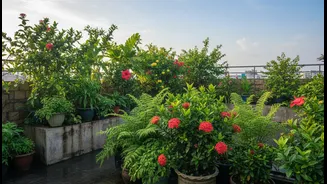
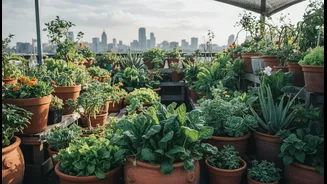
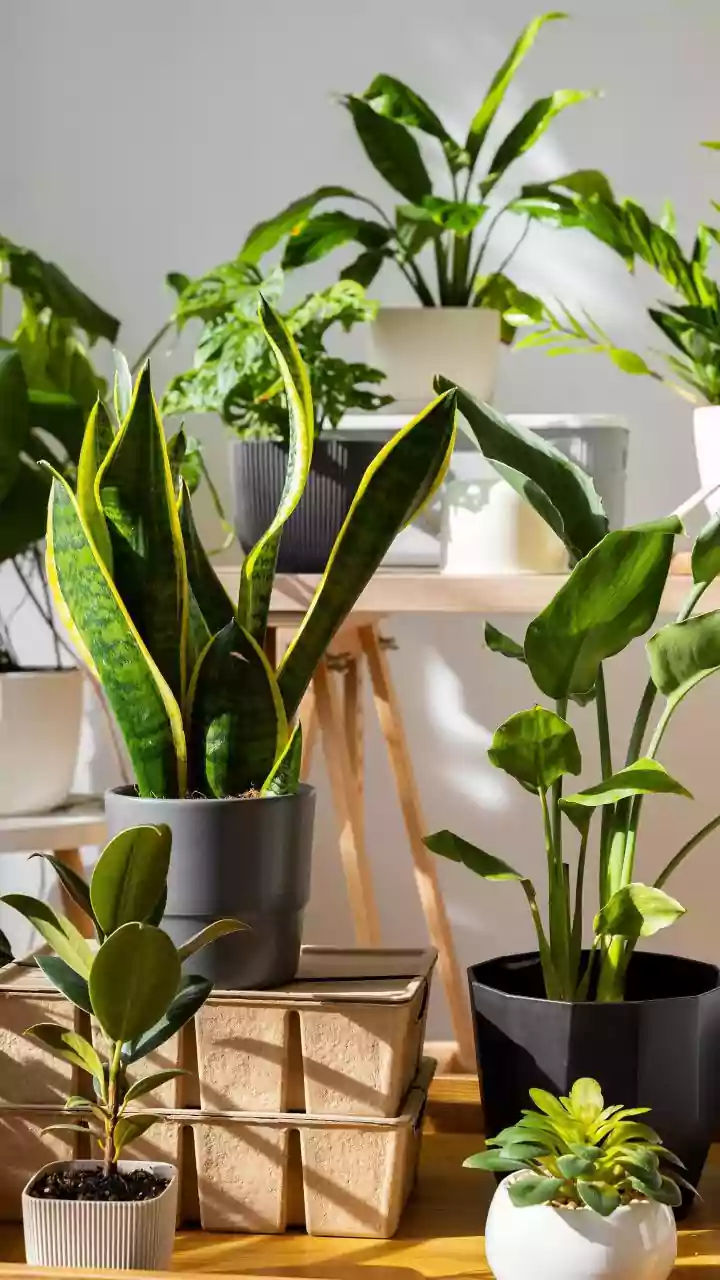
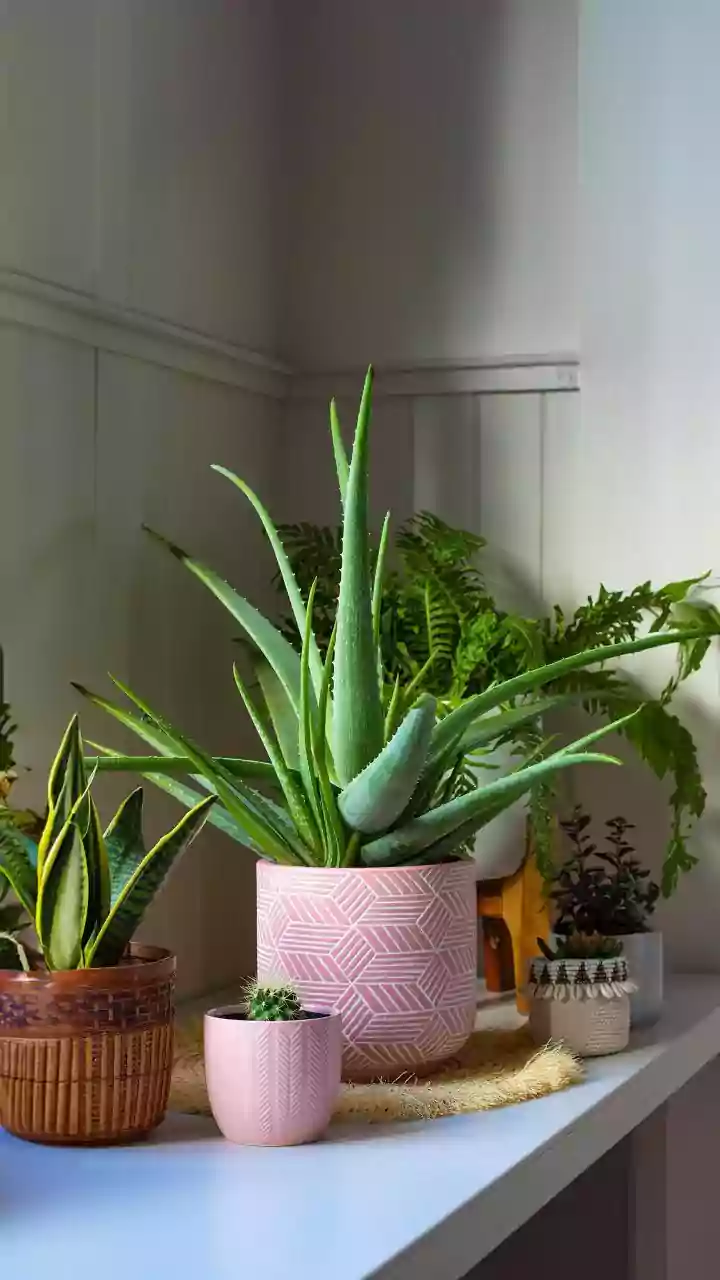
process is called evapotranspiration. Plants draw water from the soil through their roots and release it as cool water vapour through tiny pores in their leaves. This process uses heat energy from the surrounding air, effectively lowering the ambient temperature. A home surrounded by vegetation can feel significantly cooler than one surrounded by concrete, and even a small collection of plants on a terrace can make a noticeable difference.
1. The Areca Palm
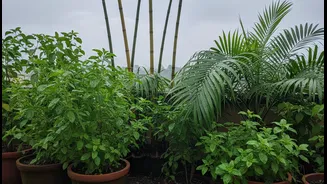
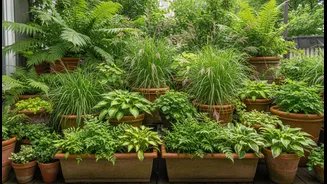
Known for its lush, feathery fronds, the Areca Palm is a champion of transpiration. It releases a substantial amount of moisture into the air, acting as a natural humidifier and cooler. These palms are relatively low-maintenance and thrive in the bright, indirect light common on many Indian balconies. Their dense foliage also provides excellent shade, creating a mini-tropical oasis that not only looks great but actively works to cool the air around it. During the monsoon, they appreciate the high humidity but, like all potted plants, require good drainage to prevent waterlogging.
2. The Spider Plant
The humble Spider Plant is a resilient and fast-growing choice, perfect for beginner gardeners. It's known for its air-purifying qualities, but it also has a high transpiration rate, contributing to a cooler and more humid micro-environment. Spider plants are particularly well-suited to the monsoon season as they thrive in humid conditions and produce their signature “pups” or plantlets most prolifically during this time. Their arching leaves make them ideal for hanging baskets, where they can catch the breeze and maximise their cooling effect.
3. The Rubber Plant (Ficus elastica)
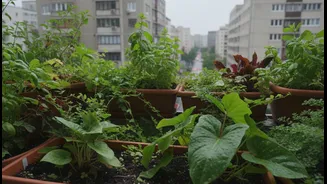
With its large, glossy leaves, the Rubber Plant is not just a visual statement but an effective cooling agent. A general rule in the plant world is that the larger the leaf surface area, the more moisture a plant can release. The Rubber Plant excels at this, replenishing moisture in the air and helping to lower the temperature. While it enjoys the humidity of the monsoon, it's important to ensure its soil doesn't become waterlogged. It’s a hardy plant that can tolerate a range of conditions, making it a reliable green companion for your terrace.
4. Ferns
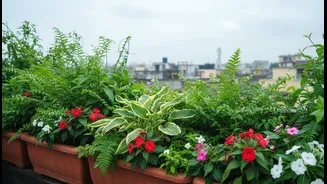
Ferns, like the classic Boston Fern, are synonymous with damp, shady forests, and they bring that same cooling, fresh energy to a home terrace. They adore the high humidity of the Indian monsoon, often looking their most vibrant and lush during the rainy season. Their delicate, multi-layered fronds have a massive collective surface area, making them excellent at transpiring and cooling the air. They prefer shaded or north-facing balconies where they are protected from direct, harsh sunlight.
5. Jasmine (Mogra)
Jasmine, or Mogra, is a beloved plant in India for its intoxicating fragrance, which is especially potent after a rain shower. Beyond its scent, this vine-like shrub thrives in monsoon humidity and flowers profusely during this season. While its cooling effect from transpiration is more modest compared to broad-leafed plants, its dense growth can be trained over a trellis to create a living green wall. This provides significant shade, blocking heat from entering your home and cooling the adjacent space, all while perfuming the evening air.
Essential Monsoon Care Tips
While rain is a blessing for plants, too much of a good thing can be a problem. The single most important rule for monsoon container gardening is ensuring proper drainage. Make sure every pot has clear drainage holes to let excess water escape, as waterlogged roots are the most common issue during this season. It’s also wise to reduce manual watering; always check if the top inch of soil is dry before adding more water. Good air circulation between plants can help prevent fungal growth, which is common in high humidity. Finally, be vigilant about emptying any trays or saucers under your pots to prevent them from becoming breeding grounds for mosquitoes.