





The Search for a Digital Detox
For young professionals in Mumbai, Pune, and other bustling hubs, the daily rhythm is often one of high-pressure deadlines, constant connectivity, and sensory overload. This relentless pace is a significant driver behind the search for true disconnection.
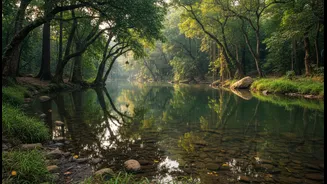
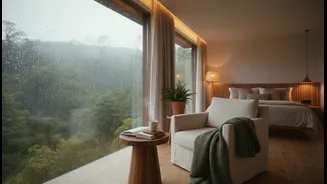
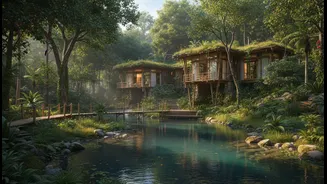
A weekend at an eco-lodge is not just a change of scenery; it's an intentional break from the digital leash. These retreats, often with limited Wi-Fi, encourage guests to unplug, which helps reduce the mental fatigue and burnout associated with urban life. Scientists note that spending time in natural environments engages a state of "soft fascination," allowing the brain to rest and recover from the constant stimulation of city living. This desire for a mental reset is pushing professionals towards places where the only notifications come from birdsong.
Sustainability as a Status Symbol
The definition of luxury is shifting. For Millennial and Gen Z travellers, sustainability is no longer a niche preference but a core value that shapes their choices. Recent reports show an overwhelming majority of young Indian travellers, around 88% of millennials, want to travel more sustainably. Choosing an eco-lodge—a property built with local materials, using renewable energy, and practising waste reduction—is a conscious statement. These travellers are increasingly aware of their environmental footprint and actively seek out accommodations that align with their ethics. It's a move away from conspicuous consumption towards conscious consumption, where the experience and its impact matter more than traditional markers of wealth.
Maharashtra’s Untapped Natural Treasures
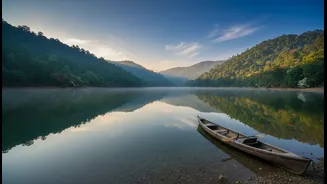
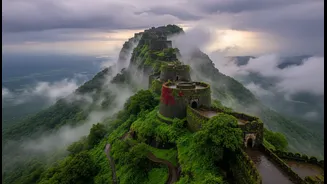
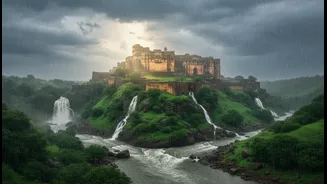
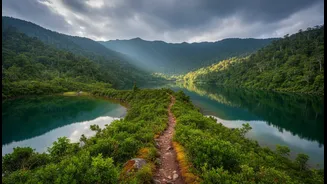
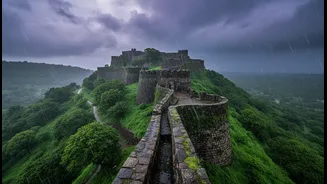
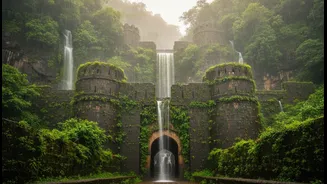
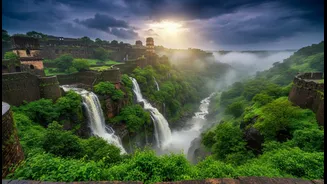
Maharashtra, particularly the Sahyadri mountain range, offers the perfect backdrop for this trend. During and after the monsoon, the landscape transforms into a lush paradise, replete with cascading waterfalls, serene lakes, and dense forests. Treks to places like Harishchandragad, Ratangad, and Kalsubai offer not just physical challenges but also rewarding views of vast water bodies like the Bhandardara dam. Many eco-lodges are strategically located near the starting points of these treks or close to hidden water bodies, providing a base camp for adventure. Locations like Lonavala, Karjat, Igatpuri, and the areas around Malshej Ghat are dotted with trails that lead to pristine natural pools and historical forts, making them ideal for these immersive nature getaways.
The Appeal of Authentic Experiences
The modern traveller is seeking more than just a comfortable bed; they are pursuing authentic, memorable experiences. Eco-lodges often provide this in spades. Many are run by locals and offer organic, farm-to-table meals, giving guests a literal taste of the region. The experience extends beyond the stay itself. It's about the guided trek through a 'dark forest' like Andharban, kayaking in a quiet lake, or simply stargazing without the interference of city lights. This shift is part of the larger 'experience economy,' where the value is placed on doing things rather than owning things. For urban professionals, these activities provide a sense of accomplishment and a deeper connection to nature and local culture, which is something a generic hotel stay often cannot offer.
Avoiding Overtourism for Wellness
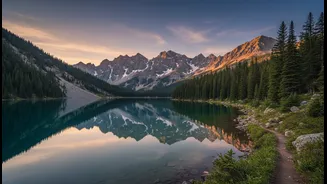
Popular tourist destinations are often crowded, noisy, and stressful—the very things young professionals are trying to escape. Nearly half of Indian travellers now intend to avoid overcrowded destinations, a phenomenon known as 'overtourism'. This has fuelled the demand for secluded, offbeat properties. Seclusion offers privacy and tranquillity, which are essential for mental and emotional well-being. Spending time in a quiet, natural setting has been scientifically linked to reduced cortisol levels, lower blood pressure, and improved mood. By choosing a remote eco-lodge, these professionals are not just finding a unique vacation spot; they are actively investing in their own health and wellness, returning to their demanding jobs feeling genuinely restored.