



The Iconic: Valley of Flowers, Uttarakhand
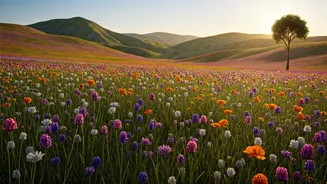
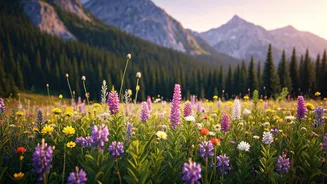
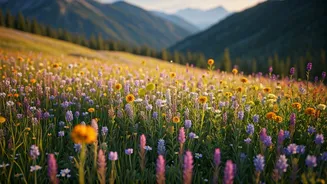
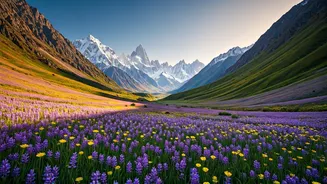
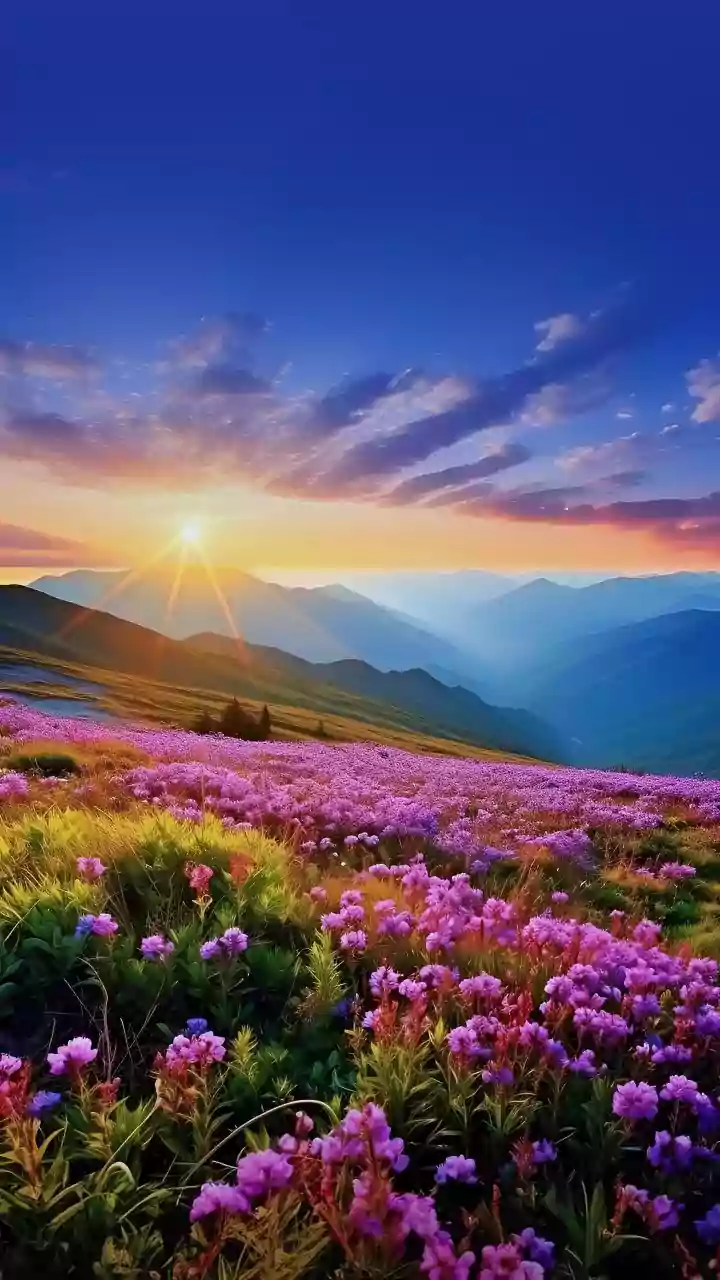
Arguably the most famous floral trek in India, the Valley of Flowers National Park in Uttarakhand is a UNESCO World Heritage Site that truly comes alive in July. As the monsoon showers begin, the valley transforms into a vibrant carpet of over 600 species
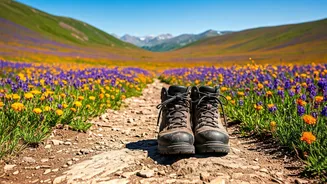
of alpine flowers. This is the month when the blooming really begins, with a stunning variety of primulas, orchids, daisies, and the elusive Himalayan Blue Poppy making their appearance. The trek itself is considered easy to moderate, making it accessible even for beginners with a reasonable level of fitness. The journey typically starts from Govindghat, followed by a trek to the village of Ghangaria, which serves as the base camp for excursions into the valley. July offers a sweet spot; the early part of the month sees fewer crowds before the peak season rush, while the latter half promises an even greater explosion of blooms, albeit with more consistent rain. Planning is crucial, as permits are required, and accommodations in Ghangaria should be booked in advance.
The Surprise Gem: Gurez Valley, Kashmir
While famous for its raw, dramatic landscapes, Gurez Valley in Kashmir is a spectacular destination for summer wildflowers. Situated along the Kishanganga River, this remote valley becomes exceptionally lush and green during the summer months. July is considered a peak month to visit, with meadows in full bloom and pleasant weather ideal for trekking and exploration. The valley, which has recently been promoted as a key tourism destination, offers a unique blend of natural beauty and cultural immersion with the local Dard-Shina community. The journey to Gurez itself is an adventure, crossing the high-altitude Razdan Pass. While the floral display is more wild and spread out than in a concentrated valley, the landscape is dotted with a variety of colourful species against a backdrop of stunning peaks. Unlike more established treks, Gurez offers a sense of discovery and tranquillity. For July travel, it's wise to book accommodations in advance as demand is high during this peak period.
The Eastern Marvel: Dzükou Valley, Nagaland-Manipur
Often called the “Valley of Flowers of the East,” the Dzükou Valley, straddling the border of Nagaland and Manipur, is a rolling landscape of unparalleled beauty. The best time to witness its floral spectacle is from June to September, when the monsoon rains trigger a mass blooming. The valley is most famous for the endemic Dzükou Lily, a delicate pink flower that carpets the valley floor and typically blooms from mid-June into July. Beyond the lily, the landscape is adorned with rhododendrons, aconitums, and euphorbias, creating a veritable paradise for botanists and trekkers. The trek is considered moderate and can be accessed from either Nagaland or Manipur, with routes starting from the villages of Viswema and Zakhama. The weather in July is cool and damp, with temperatures ideal for hiking, but trekkers should be prepared for slippery trails due to the frequent rain.
For Future Planning: Kaas Plateau, Maharashtra
While July is the time for planning, the actual bloom at Maharashtra's Kaas Plateau happens a little later in the monsoon. This UNESCO World Natural Heritage Site, known as the 'Kaas Pathar', typically sees its flowers erupt from mid-August through September. July is the perfect time to get your plans in order for a visit. The plateau is home to over 850 species of flowering plants, many of which are endemic to the region. Once the season starts, the lateritic rock plateau transforms into a vast mosaic of pink balsams, yellow smithias, and white orchids. Visiting Kaas requires some forethought as the number of daily visitors is restricted to protect the fragile ecosystem, and booking tickets online in advance is mandatory. So, while you trek the Himalayan valleys in July, keep Kaas Plateau on your list for an incredible late-monsoon experience in the Western Ghats.