



The Shifting Regulatory Landscape
Operating a freight business in and around the National Capital Region (NCR) has become increasingly complex. In a continuous effort to combat severe air pollution, authorities are implementing stricter rules that directly target commercial vehicles,
which are significant contributors to emissions. These regulations are not static; they change based on pollution levels, time of year, and evolving government mandates. The primary framework governing these actions is the Graded Response Action Plan (GRAP), which enforces progressively tougher measures as the Air Quality Index (AQI) worsens. For haulers, this means a rule that was not in effect one week could suddenly bring their operations to a halt the next. This dynamic environment makes proactive monitoring essential for survival.
Understanding the Key Vehicle Bans
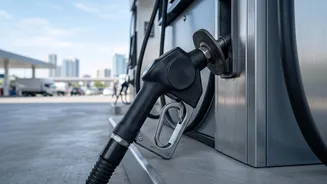
The most critical restrictions for freight operators concern vehicle emission standards and fuel types. As of late 2026, a significant rule change is on the horizon. Starting November 1, 2026, commercial goods vehicles with BS-IV or older emission standards will be banned from entering Delhi. This ban applies to a wide range of vehicles, including light, medium, and heavy goods vehicles, as well as buses operating under All India Tourist Permits. The only exemptions are for vehicles running on CNG, electricity, or those compliant with the newer BS-VI diesel standards. These restrictions are part of a broader 'Winter Action Plan' but signal a clear long-term direction. Furthermore, under the GRAP framework, even BS-IV diesel vehicles can be restricted from plying in Delhi and surrounding NCR towns like Gurugram and Ghaziabad when 'Severe' pollution levels (Stage III) are triggered.
Operational and Financial Consequences
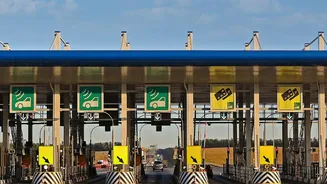
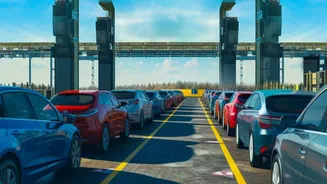
Ignoring these regulations carries substantial risk. The most immediate impact is operational disruption. A truck that is denied entry into Delhi can lead to significant delivery delays, broken contracts, and damaged client relationships. Non-compliant vehicles found operating during restricted periods face heavy penalties, including fines that can amount to thousands of rupees and the risk of the vehicle being impounded. Beyond fines, the recurring nature of these bans forces transporters into difficult financial decisions. Trucks may be left waiting at the border for days, idling until restrictions are lifted, which disrupts supply chains and increases costs. This creates a constant pressure to either upgrade fleets to compliant BS-VI, CNG, or electric models—a significant capital expenditure—or risk being slowly pushed out of the lucrative NCR market.
Strategies for Future-Proofing Your Fleet
Adaptation is the only way forward for regional freight haulers. The first step is a thorough audit of your current fleet to identify which vehicles are at risk of being phased out of key routes. For vehicles approaching their end-of-life or those with non-compliant emission standards, a long-term replacement strategy is crucial. Investing in BS-VI diesel, CNG, or electric trucks is no longer an option but a necessity for accessing the Delhi market. In the short term, logistics and dispatch managers must stay updated on daily GRAP implementation. Technology can play a key role here, with GPS tracking and real-time alerts helping to divert non-compliant trucks away from restricted zones. Some operators are also exploring models where goods are transferred from older, long-haul trucks to smaller, compliant last-mile delivery vehicles at hubs outside the main restricted area. Ensuring every vehicle has a valid Pollution Under Control (PUC) certificate is also non-negotiable, as authorities are tightening enforcement across the board.