




Embrace the Monsoon Magic
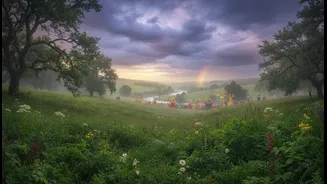
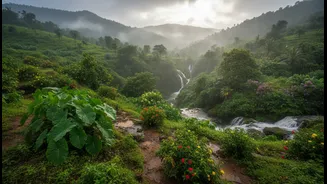
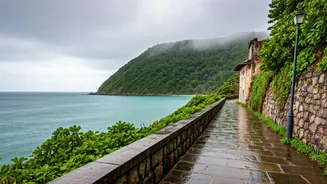
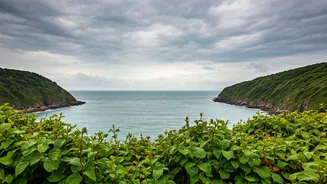
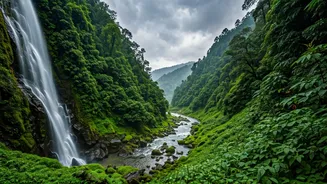
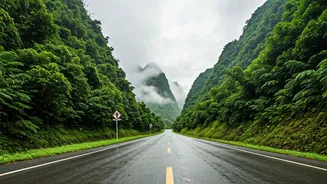
While many travellers default to the cooler, drier winter months, visiting Jaipur in August offers a unique and enchanting experience. This is the heart of the monsoon season, which transforms the typically arid landscapes surrounding the city into a lush,
green paradise. The rain often arrives in short, refreshing bursts, clearing the air and leaving behind cooler temperatures that range from 24°C to 33°C. The scent of wet earth mixes with the urban energy, and the city’s iconic forts and palaces take on a dramatic, misty quality. It's a time when you can explore Jaipur’s wonders with fewer tourists, allowing for a more personal and tranquil experience at otherwise bustling sites. The washed-clean streets and dramatic cloud-filled skies create a stunning backdrop for photography.
Witness the Spectacle of Teej
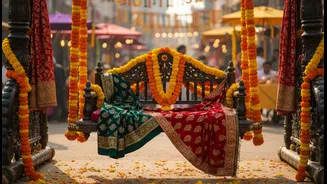
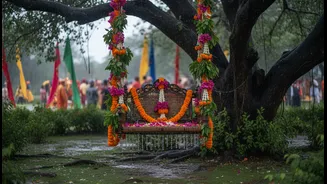
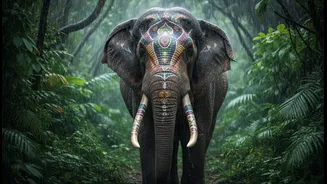
The single biggest reason for a cultural trip to Jaipur in August is the Teej festival. In 2026, Hariyali Teej will be celebrated on August 15th. This vibrant festival celebrates the arrival of the monsoon and the divine union of Goddess Parvati and Lord Shiva. For visitors, it's a visual feast. Women dress in brilliant green, red, and yellow attire, adorn their hands with intricate mehndi, and gather to sing traditional songs on swings (jhoolas) hung from trees. The highlight in Jaipur is the grand royal procession that begins at the City Palace, featuring a decorated palanquin carrying the idol of Teej Mata, accompanied by elephants, camels, and folk dancers. It's an immersive cultural event that showcases the city's living heritage and deep-rooted traditions in a burst of colour and joyous celebration.
Explore Forts and Palaces Anew
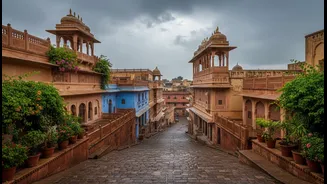
Seeing Jaipur’s architectural marvels during the monsoon is a completely different experience. The crowds at Amer Fort, Nahargarh Fort, and Jaigarh Fort thin out, letting you wander through their grand courtyards and corridors in relative peace. The panoramic views from Nahargarh Fort are especially breathtaking, with the city and surrounding Aravalli hills cloaked in green. The iconic Jal Mahal, or Water Palace, appears to float magically on a rejuvenated Man Sagar Lake, its reflection shimmering on the water’s surface. Even the intricate latticework of the Hawa Mahal seems to catch the misty breeze in a new way, offering cool respite as you gaze upon the bustling city below.
Savour Monsoon-Specific Delicacies
The rainy season brings its own special menu in Rajasthan. It’s the perfect weather to indulge in hot, comforting, and flavourful local cuisine. No August trip is complete without trying Ghevar, a disc-shaped sweet made of flour, ghee, and sugar syrup, which is particularly associated with the Teej festival. Other monsoon favourites to seek out include hot Pyaaz ki Kachori (onion-stuffed pastries) and Mirchi Bada (chilli fritters), best enjoyed with a cup of masala chai from a street-side vendor. For a full meal, a classic plate of Dal Baati Churma offers a hearty and warming experience, perfect for a cooler, rainy evening.
Practical Tips for Your August Trip
A monsoon trip requires a bit of planning. Pack lightweight, quick-dry clothing, a reliable raincoat or umbrella, and waterproof footwear to navigate potentially muddy paths. While August is considered the off-peak or shoulder season, it's still wise to book accommodation in advance, as the Teej festival can attract crowds. The advantage is that you may find better deals on hotels than during the peak winter months. Be flexible with your daily schedule; mornings are often drier, making them ideal for outdoor sightseeing, while afternoons might be better spent in museums like the Albert Hall Museum or exploring the covered alleyways of Johari Bazaar.