



Understanding the 'K': What Karat Means
Before comparing, it's essential to understand what 'karat' (K) stands for. Karat is the unit used to measure the purity of gold. The scale runs from 0 to 24. Therefore, 24K gold is the purest form you can get, containing 99.9% pure gold. Anything less
than 24K means the gold is mixed with other metals, known as alloys. For instance, 22K gold means that 22 parts of the item are pure gold, and the remaining two parts are other metals. This system helps standardise and certify the gold content in your jewellery.
24K Gold: The Purest but Softest Form
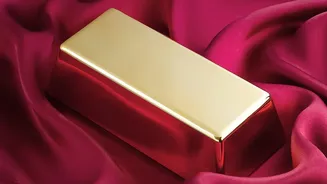
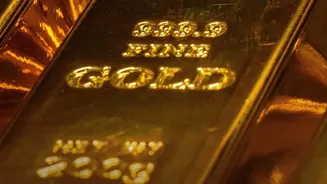
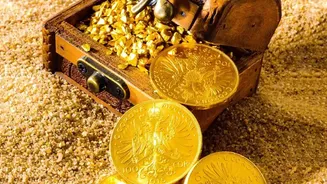
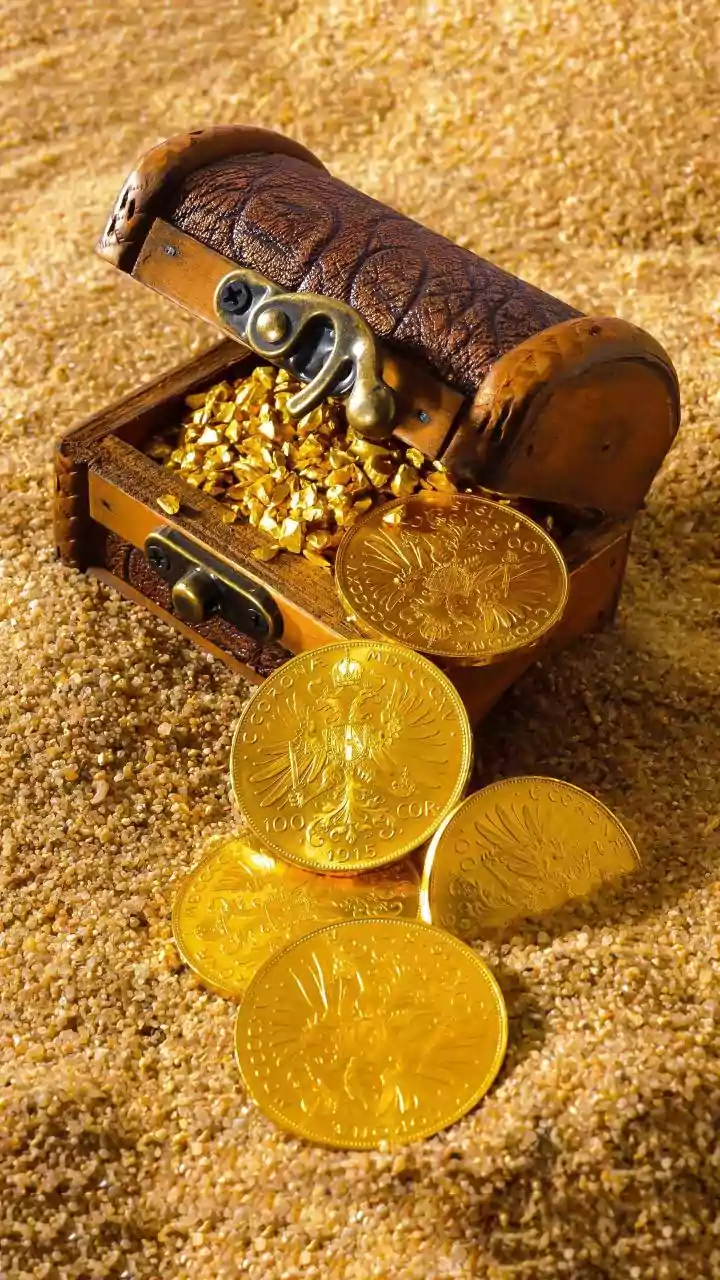
24-karat gold is 99.9% pure, giving it a distinct, vibrant yellow colour that is unmatched in its richness. Because of its high purity, it is the most expensive and is considered the best for investment purposes, typically in the form of coins or bars. However, this purity comes with a major drawback for jewellery: softness. Pure gold is highly malleable, meaning it can bend, dent, and scratch very easily, making it impractical for ornaments intended for daily or even frequent wear. An intricate design or a setting for a stone would not hold its shape in 24K gold.
22K Gold: The Standard for Indian Jewellery
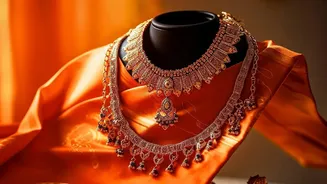
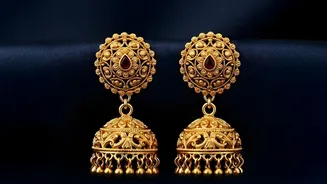
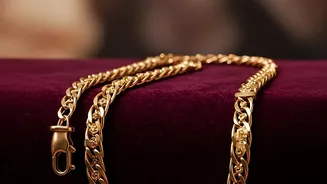
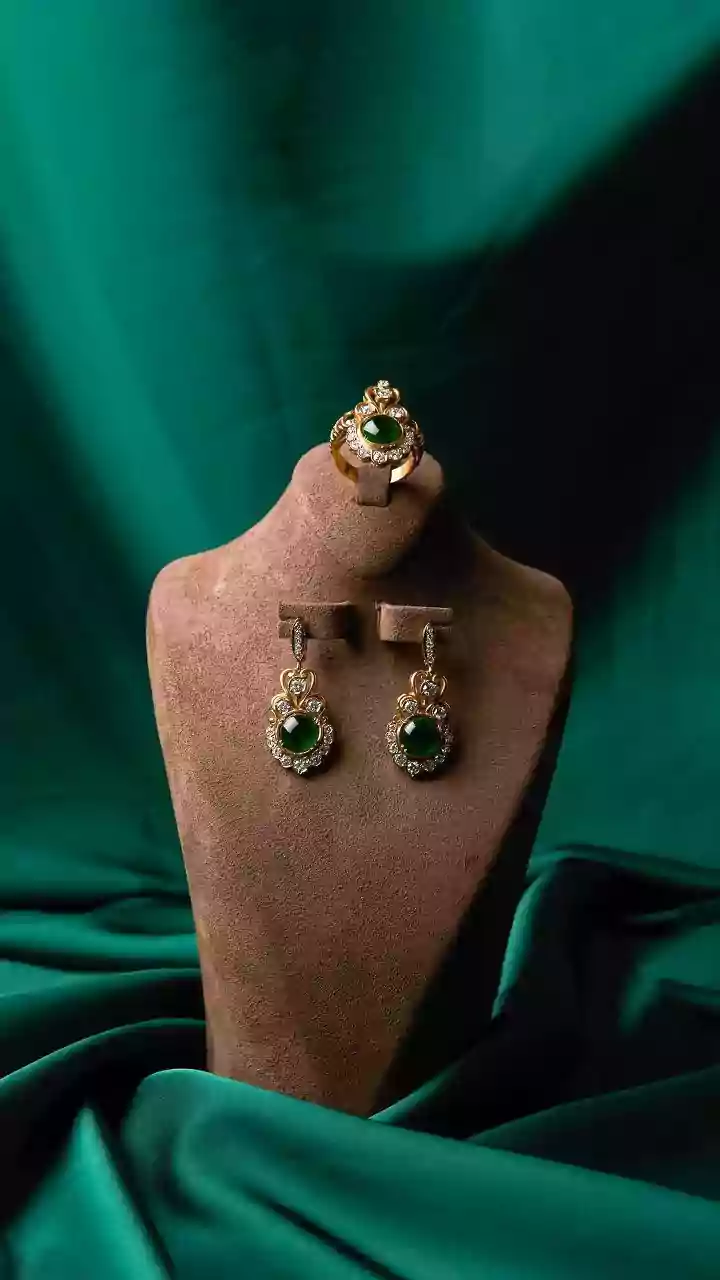
22-karat gold, also widely known as '916 gold', is composed of 91.67% pure gold, with the remaining 8.33% consisting of alloys like silver, copper, nickel, or zinc. This blend of metals is what makes 22K gold the preferred choice for jewellery across India. The addition of these alloys significantly increases the metal's strength and durability without compromising its high gold content and radiant appearance. This enhanced hardness makes it suitable for crafting detailed and sturdy ornaments that can withstand the rigours of everyday life.
Durability and Practical Use: The Clear Winner
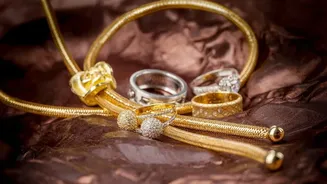
When it comes to practicality for jewellery, 22K gold is the undisputed winner. Its superior durability means it is far more resistant to scratches and deformities compared to its 24K counterpart. If you are looking for an engagement ring, bangles for daily use, or a necklace that you can wear often, 22K gold is the more sensible and reliable option. The alloys ensure that delicate craftsmanship remains intact and that any precious stones set in the jewellery are held securely over time. While some jewellers craft pieces from 24K gold, these are often reserved for special occasions and require very careful handling.
Price and Resale Value
Per gram, 24K gold is always more expensive than 22K gold due to its higher gold content. When you buy jewellery, however, the total cost also includes 'making charges,' which can vary. For investment, 24K bars or coins are ideal as they carry the highest intrinsic value. For jewellery, 22K gold offers a great balance. It holds excellent resale value because of its high gold content, and it is something you can actually wear and enjoy. When reselling, the value is determined by the weight and purity of the gold, so both are strong assets.
The Final Verdict: Adornment vs. Investment
The choice between 22K and 24K gold ultimately boils down to its purpose. If your goal is purely investment, then 24K gold coins and bars are the ideal choice, offering the highest purity and value. For jewellery that is meant to be worn and cherished, whether for daily use or special occasions, 22K gold is the superior option. It provides the perfect combination of high purity, rich colour, and essential durability. Always remember to check for the Bureau of Indian Standards (BIS) hallmark on any gold you purchase to guarantee its purity. This certification, which often includes a code like '916' for 22K gold, is your assurance of quality.