







The Predictable Chaos of Monsoon Flying
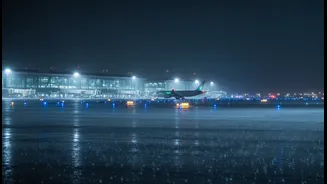
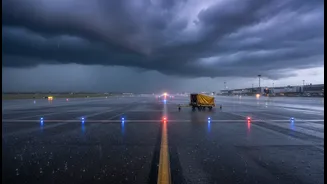
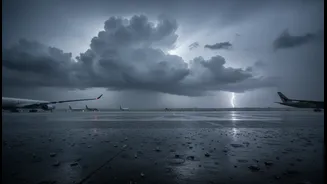
For anyone flying in or out of Eastern India between June and September, weather-related disruption is not a possibility; it’s a probability. Kolkata, being a major hub, feels the brunt of this seasonal turmoil. The issues are multifaceted: heavy rainfall
reduces runway visibility, strong crosswinds make take-offs and landings challenging, and waterlogging on airport tarmacs can bring operations to a standstill. Airlines often issue advisories, but the cascading effect of a single delayed flight can throw the entire day's schedule into disarray. This isn't just about a single storm; it’s about a consistent pattern of operational challenges that standard travel advice often fails to address adequately.
Why the Two-Hour Rule Doesn't Apply
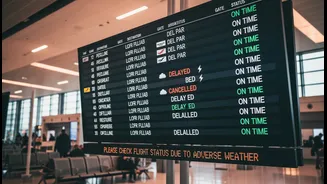
The common wisdom of arriving at the airport two hours before a domestic flight is dangerously insufficient during the monsoon. A flight delayed in the morning due to low visibility in Kolkata can lead to its connecting flight being cancelled in the afternoon. This domino effect means that even if the weather seems clear for your evening departure, your aircraft might be stuck in another city. Furthermore, monsoon rains lead to unpredictable traffic snarls and waterlogging on the roads to the airport, making the journey itself a significant variable. Relying on a standard buffer is a gamble when the entire aviation and city infrastructure is under seasonal stress.
Calculating a Realistic 'Monsoon Buffer'
So, how much extra time is enough? Travel experts suggest that for connecting flights during the peak monsoon months of July and August, a buffer of at least three to four hours between flights is wise. For point-to-point travel from airports like Kolkata, adding an extra hour to your airport commute time is a safe starting point. The most effective strategy is to book flights that depart early in the morning, ideally before 10 AM. Monsoon thunderstorms and heavy showers tend to build up in the afternoon and evening, meaning morning flights have a significantly higher on-time performance rate. The first flight of the day is often the safest bet, as it hasn't inherited delays from a disrupted network.
Proactive Steps for a Smoother Journey
Taking control of the situation starts before you even leave for the airport. Make it a habit to check your flight status and the inbound flight's status on a reliable flight tracking website. Download your airline's app for the fastest updates. Also, monitor the weather forecast from the India Meteorological Department (IMD) for your origin and destination cities. If you're flying for a critical event like a wedding or an important business meeting, the best advice is to fly in a day early. The small cost of an extra hotel night pales in comparison to the stress and expense of missing the event entirely.
Know Your Rights When Delays Happen
While airlines are not required to provide monetary compensation for weather-related delays—classified as 'force majeure' events—they are not absolved of their duty of care. According to Directorate General of Civil Aviation (DGCA) rules, if your flight is delayed for two hours or more, the airline must provide you with free meals and refreshments. For overnight delays, they are obligated to provide hotel accommodation and transfers. If your flight is cancelled, you are entitled to a choice between a full refund or a seat on the next available flight at no extra cost. Understanding these rights allows you to firmly, but politely, request the assistance you are owed instead of being left stranded.