

The Problem with Cornflour
Cornflour, or cornstarch, is a kitchen staple for a reason: it's a highly effective and neutral thickener. When mixed into a slurry and added to hot liquid, its starch molecules swell and create a thicker consistency. However, this efficiency comes at a cost.
Cornstarch is pure, refined starch, stripped of corn's protein and fibre. It adds no nutritional value and, more importantly for the discerning cook, no flavour. In fact, if not cooked out properly, it can leave a subtle, chalky aftertaste and a slightly gelatinous or even slimy texture that can dull the vibrant notes of your other ingredients.
The Chestnut's Creamy, Flavourful Secret
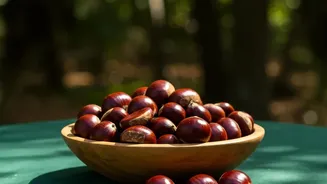
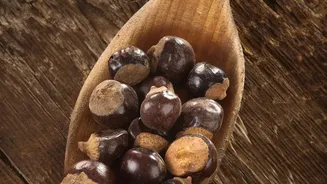
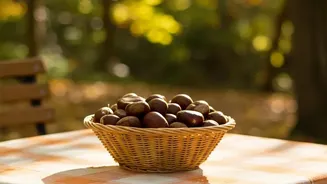
This is where the humble chestnut comes in. Chestnuts are unique among nuts for their high starch content and relatively low fat content. When cooked and blended, these starches are released, creating a luxuriously creamy and velvety body in soups and sauces, a texture often described as similar to potato. But unlike potatoes or cornflour, chestnuts bring their own delicious character to the party. They impart a subtle, nutty, and slightly sweet flavour that enhances earthy and savoury soups beautifully. Using them isn't just about thickening; it's about adding another layer of seasonal complexity and richness, transforming a simple soup into something truly special.
How to Thicken Soups with Chestnuts
Using chestnuts as a thickener is surprisingly simple, especially if you use pre-cooked, vacuum-packed, or jarred varieties, which are readily available and save considerable prep time. If you prefer to start from scratch, score fresh chestnuts with an 'X', then roast or boil them until tender and peel them while still warm. For the thickening process itself, simply add the cooked and peeled chestnuts to your soup along with the stock and other vegetables. Let everything simmer for at least 20-30 minutes to ensure the chestnuts are completely soft. Then, using an immersion blender or by carefully transferring in batches to a countertop blender, purée the soup until it is completely smooth. The chestnuts will break down and their starches will naturally thicken the liquid. Chestnuts can thicken a soup considerably, so you may need to adjust with a little extra stock to reach your desired consistency.
Perfect Pairings and Flavour Ideas
The earthy sweetness of chestnuts makes them a perfect match for a wide range of autumnal and winter soups. They are a classic component in French velouté de châtaignes, a simple and elegant soup that often features little more than chestnuts, onion, stock, and a touch of cream. This technique works wonderfully with mushroom soups, where the nutty flavour complements the fungi perfectly. It's also an excellent addition to root vegetable purées like parsnip, celeriac, or butternut squash soup. For a richer flavour profile, you can sauté your base vegetables (like leeks, shallots, or onions) in butter and deglaze the pan with a splash of sherry, Madeira, or white wine before adding the stock and chestnuts. A final grating of nutmeg or a garnish of crispy bacon can elevate the dish even further.