


How Plants Create Natural Air-Conditioning
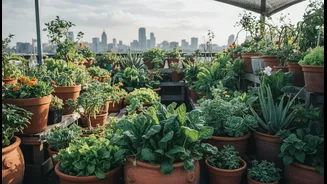
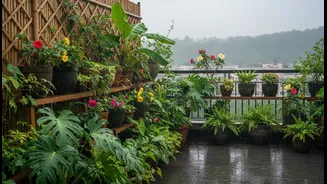
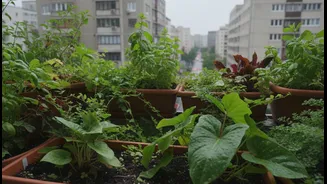
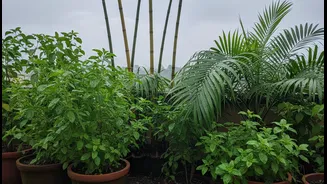
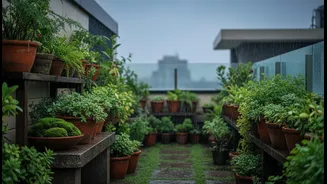
Plants are nature's own cooling systems. Through a process called evapotranspiration, they release water vapour from their leaves into the atmosphere. This process absorbs heat from the surrounding air, creating a noticeably cooler microclimate. By grouping
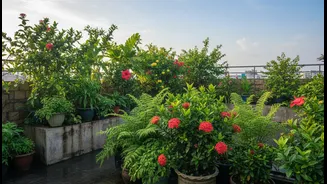
several plants together on your terrace, you amplify this effect, reducing ambient temperatures and creating a more comfortable space. A dense arrangement of greenery not only provides shade but also increases humidity, making your terrace a refreshing retreat during the humid monsoon months.
Hibiscus: The Tropical Showstopper
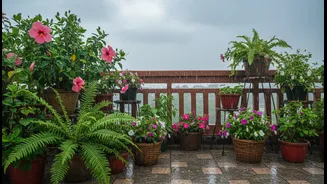
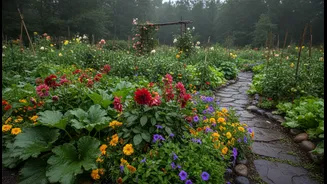
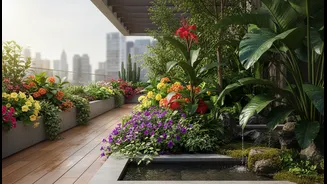
One of the most popular flowers seen across India, the hibiscus thrives in the monsoon. The increased humidity and moisture in the air encourage these plants to produce an abundance of their large, vibrant flowers in shades of red, pink, and yellow. Hibiscus is a moisture-loving plant, making it perfectly suited for heavy rains, provided it's in a pot with good drainage to prevent root rot. Regular pruning during the early monsoon can help shape the plant and lead to even more blooms.
Jasmine (Mogra): A Fragrant Welcome
The arrival of monsoon is often associated with the intoxicating fragrance of jasmine, or mogra. These plants are cherished for their delicate white flowers that seem to bloom more profusely in the humid weather. Jasmine vines or shrubs love the monsoon conditions, preferring well-drained soil and a spot with partial to full sunlight. The combination of rain-washed air and the sweet scent of jasmine can transform your terrace into a sensory paradise. Its fragrant flowers are also popularly used in garlands and traditional decorations.
Balsam: The Cheerful Monsoon Annual
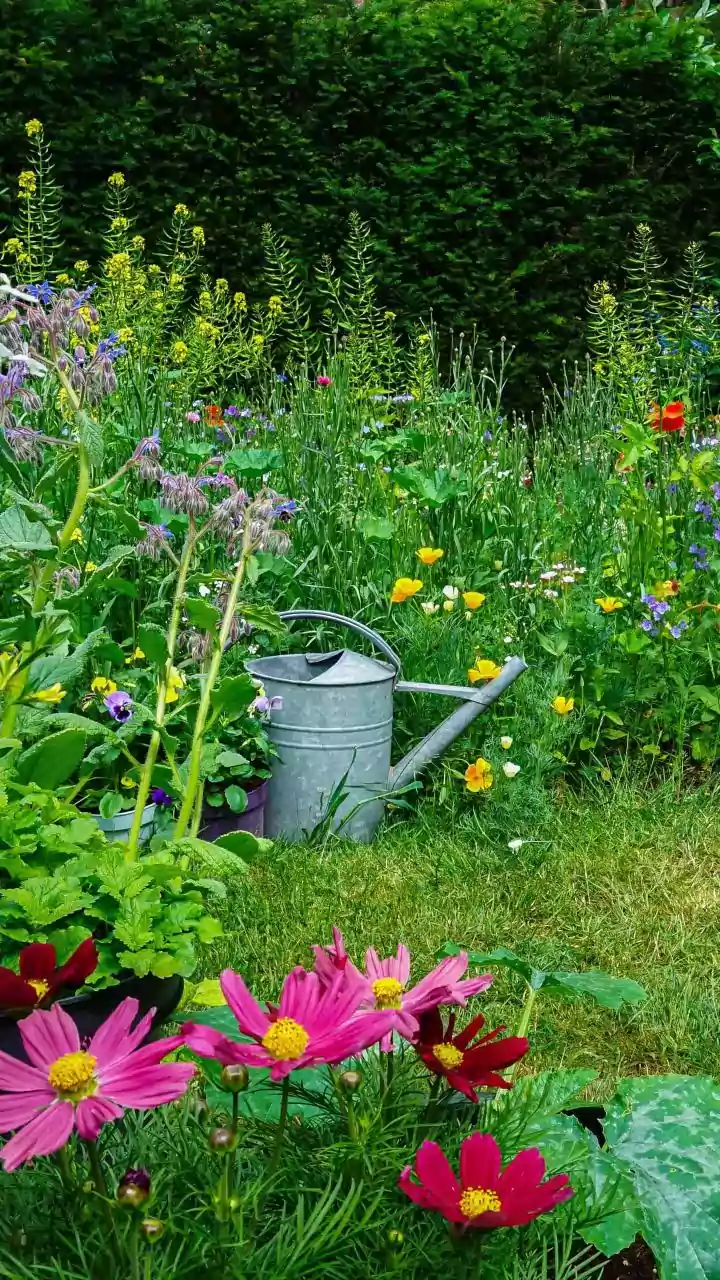
Balsam, also known as touch-me-not, is a quintessential rainy season flower. These cheerful plants flourish in moist conditions and produce a profusion of blooms in pink, purple, red, and white throughout the monsoon. They are incredibly easy to grow and are perfect for adding a quick splash of colour to pots and flowerbeds. For the best results, plant them in well-draining soil and place them in a spot that receives partial shade.
Marigold: The Hardy and Bright Protector
Marigolds are incredibly adaptable and can easily handle the transition into the rainy season. Their bright yellow and orange flowers bring a burst of sunshine to even the greyest monsoon day. An added benefit of planting marigolds is their natural ability to repel pests, which can help protect other, more delicate plants in your terrace garden. While they love the rain, it's important to ensure their pots have excellent drainage, as they can be susceptible to waterlogging.
Creepers and Climbers: For Vertical Cooling
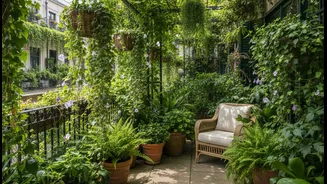
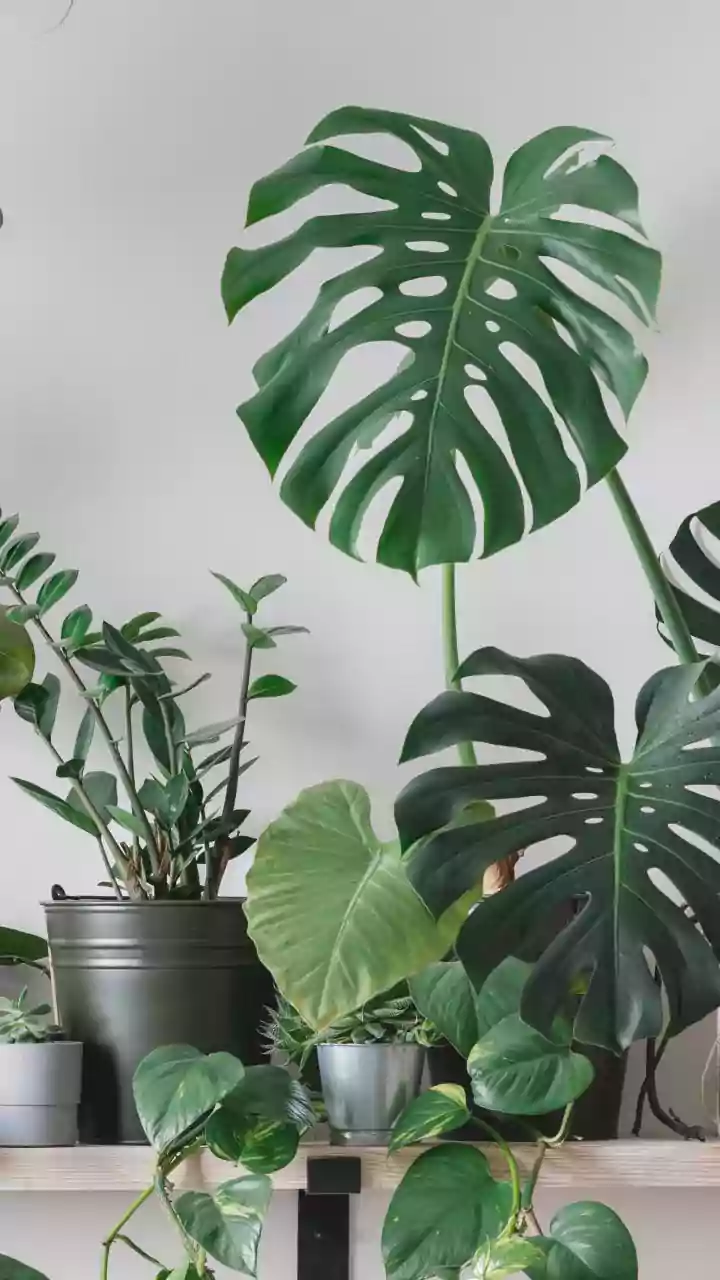
Don't forget the power of vertical gardening. Climbers like bougainvillea, money plant (pothos), and butterfly pea (aparajita) are excellent choices for the monsoon. Bougainvillea is resilient and stands up well to heavy rains, producing colourful bracts that cover fences and walls. Money plants grow rapidly during this season, their lush leaves creating a green curtain. These plants, when trained up a trellis or along a railing, create a living wall of green that provides shade and significantly cools the surfaces they cover.
Ferns: The Lush Humidity Lovers
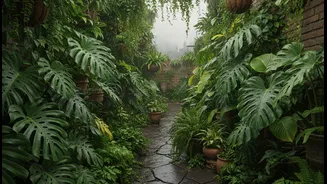
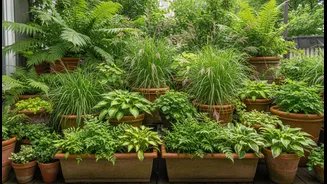
Ferns are the ultimate humidity-loving plants, bringing a soft, natural look to any space. The high moisture content in the air during the monsoon is the perfect environment for ferns like the Boston fern or sword fern to flourish. They are particularly effective at cooling the air through transpiration due to their dense foliage. Place them in shaded corners of your terrace where they are protected from direct sun, and they will reward you with lush, vibrant greenery throughout the season.