


What Exactly is Ambali?
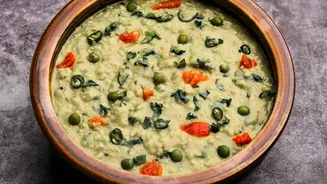
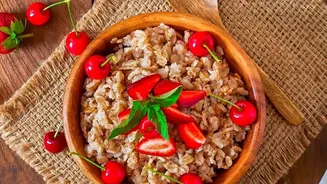
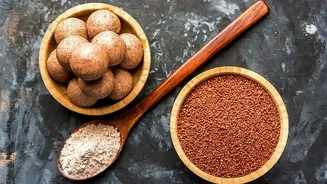
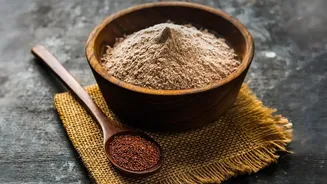
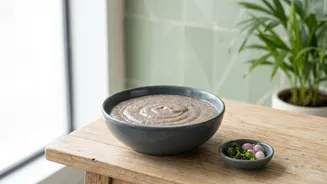
Ambali, also known as Ragi Ambali or Ragi Java, is a traditional South Indian beverage with the consistency of a thin porridge or hearty soup. It's made from ragi (finger millet) flour, which is cooked and then allowed to ferment, typically overnight.
This natural fermentation process gives the drink a distinct, slightly sour and tangy flavour. Traditionally consumed by farmers and labourers for a boost of energy, it’s a staple in states like Karnataka, Andhra Pradesh, and Telangana. While some preparations involve just ragi, others include a small amount of rice in the fermentation process. It is most often served savoury, mixed with buttermilk, salt, and sometimes tempered with spices like mustard seeds and green chillies. However, it can also be enjoyed sweet with a dash of jaggery.
A Legacy of Wellness
For centuries, Ambali has been a cornerstone of nutrition in rural communities, long before the term 'probiotic' entered the popular lexicon. It was the original functional food, relied upon by generations for sustenance and health. Consumed by farmers before a long day in the fields, it provided sustained energy. It was also traditionally given to nursing mothers to support lactation and to young children as a nutrient-dense meal. The practice of fermenting millet is deeply embedded in India's culinary heritage, seen not just as a preservation method but as a way to unlock and enhance the nutritional value of grains. This ancestral wisdom is now being validated by modern science, which confirms the remarkable benefits of this simple, age-old preparation.
The Nutritional Powerhouse
The health benefits of Ambali are immense, stemming from its two core components: ragi and fermentation. Ragi itself is a nutritional superstar, celebrated for being one of the richest plant-based sources of calcium, crucial for bone health. It's also packed with dietary fibre, iron, and essential amino acids. The fermentation process takes this to the next level. It introduces live probiotic cultures, like Lactobacillus, which are incredibly beneficial for gut health, aiding digestion and improving immunity. Fermentation also breaks down 'anti-nutrients' like phytic acid, which allows the body to absorb more of the minerals like iron and calcium already present in the millet. Furthermore, with its high water content and cooling properties, Ambali is an excellent hydrator, making it a perfect drink for India's hot summers.
From Farm Fields to City Cafes
So why is this ancient drink suddenly finding favour with urban millennials and Gen Z? The resurgence is part of a larger movement towards rediscovering traditional, sustainable, and natural foods. As health consciousness grows in cities like Bengaluru, Mumbai, and Hyderabad, consumers are actively seeking alternatives to processed foods and sugary drinks. Millets, in general, are making a major comeback, championed by government initiatives and a growing awareness of their climate resilience and health benefits over wheat and rice. Ambali fits perfectly into this modern wellness narrative. It’s gluten-free, aids in weight management by promoting satiety, and helps regulate blood sugar due to its low glycemic index. Its identity as a natural, homemade probiotic makes it a compelling alternative to expensive, commercially produced health drinks.
Making Your Own Elixir
Making Ambali at home is surprisingly simple. The most basic method involves making a thin ragi porridge and allowing it to ferment. Start by mixing ragi flour with water to form a lump-free paste. Add this paste to boiling water and cook for a few minutes until it thickens into a porridge. Once it cools down to room temperature, cover the pot and leave it to ferment for 8 to 12 hours, or overnight. The next morning, the fermented porridge will have a slightly sour aroma. Whisk it well, then mix in buttermilk or curd, salt, and finely chopped onions or green chillies for a classic savoury drink. For a simple tempering, heat a little oil and splutter mustard seeds and curry leaves to pour over the top. You can adjust the consistency with more buttermilk or water to your liking.