






What Are Solid-State Batteries?
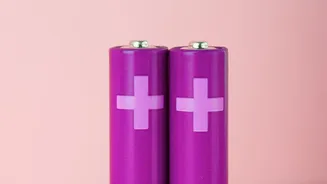
At its core, the difference between a conventional lithium-ion battery and a solid-state battery (SSB) is simple. A lithium-ion battery, like the one in your phone or current electric vehicle, uses a liquid electrolyte to move energy between its negative
and positive sides. An SSB, as the name suggests, replaces this flammable liquid with a solid material, such as a thin layer of ceramic or polymer. This single change has a ripple effect on the battery's performance, safety, and size. By removing the liquid, SSBs can use more energy-dense materials, like lithium metal anodes, allowing them to store significantly more power in the same amount of space. This makes them lighter and more compact, a huge advantage for two-wheelers where space and weight are at a premium.
The Promise: More Range, Better Safety
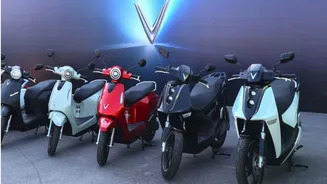
For the average Indian two-wheeler rider, the benefits of SSBs are game-changing. The primary advantage is safety. The liquid electrolyte in lithium-ion batteries is flammable and can, in rare cases of damage or overcharging, lead to thermal runaway and fires—a major concern for vehicle safety. Solid-state electrolytes are non-flammable, virtually eliminating this risk. The second major benefit is performance. Higher energy density could mean an electric scooter's range could jump from 100-150 km to over 250 km on a single charge. Furthermore, SSBs promise dramatically faster charging times, potentially bringing a full charge down to minutes instead of hours. They also have a longer potential lifespan, capable of handling thousands of charge cycles compared to the hundreds typical of many current batteries, which means the battery could outlast the vehicle itself.
The Challenge: From Lab to Mass Production
If SSBs are so much better, why aren't they in every electric scooter today? The answer is cost and manufacturing complexity. As of 2026, the technology is still emerging from the laboratory phase. While prototypes exist and some premium vehicles are beginning to feature them, mass-producing large, reliable, and affordable solid-state cells remains a significant engineering hurdle. The solid electrolyte must maintain perfect contact with the electrodes, even as the battery expands and contracts during charging and discharging. Any microscopic gaps can halt the battery's function. Developing manufacturing processes that can achieve this level of precision at scale is incredibly difficult and expensive, making the first generation of SSBs a premium product.
Why Testing is the Key to Affordability
This is where testing becomes the most crucial step on the path to affordability. The testing process for SSBs is not just about ensuring they don't fail; it's about figuring out how to make them succeed cheaply. Researchers and engineers are relentlessly testing different solid electrolyte materials—oxides, sulfides, polymers—to find the perfect balance of performance, stability, and low-cost raw materials. This rigorous evaluation under controlled pressure and temperature helps identify which materials are most effective and can be produced without expensive or rare metals. Furthermore, testing is essential to validate manufacturing techniques. Companies must prove they can produce millions of identical cells with no defects. Every test cycle provides data that helps refine these processes, making them faster, more reliable, and ultimately, cheaper. It's this iterative cycle of building, testing, and refining that drives down the cost curve.
The Indian Context: A Market Waiting for a Breakthrough
For India, with its massive two-wheeler market and ambitious EV goals, the stakes are enormous. Government initiatives like the Production-Linked Incentive (PLI) scheme for Advanced Chemistry Cells (ACC) are already aimed at localising battery production and reducing costs. However, the real cost reduction will come from technological leaps like SSBs. The unique challenges of Indian road conditions—extreme heat, humidity, dust, and vibrations—make robust testing even more critical. A battery that works in a lab in Europe or Japan must be proven to survive and perform reliably on Indian roads. Success in this phase will not only deliver a superior product but will also enable Indian manufacturers to become leaders in a next-generation technology, bringing down the final vehicle cost for consumers. While the first SSBs will appear in premium models around 2027-2028, mass-market adoption hinges on the success of today's testing to make them cost-effective by the early 2030s.